
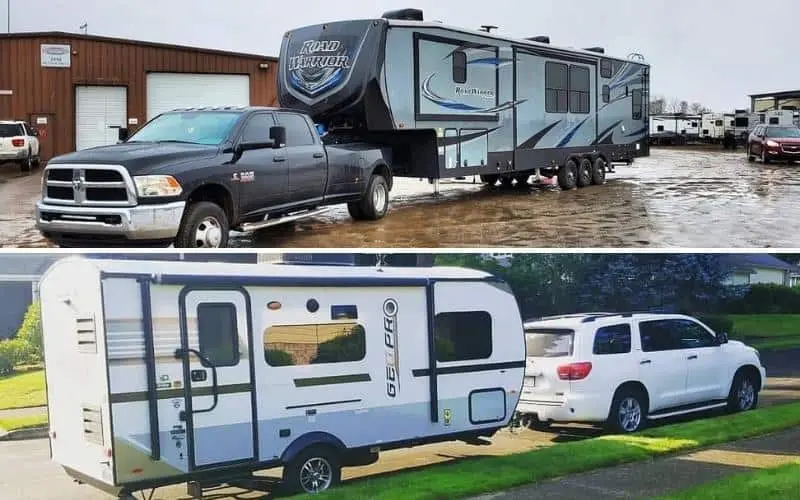
What is a travel trailer vs 5th wheel is one of the most common questions I hear at RV parks, state parks, and campground check-ins across the US and Canada. I’ve had this exact conversation outside Zion, in Glacier’s Apgar Campground, and more than once while boondocking on BLM land in Utah.
Both are towable RVs. Both promise freedom, flexibility, and a mobile home on wheels. But they serve very different travel styles.
What is a Travel Trailer Vs 5th Wheel?
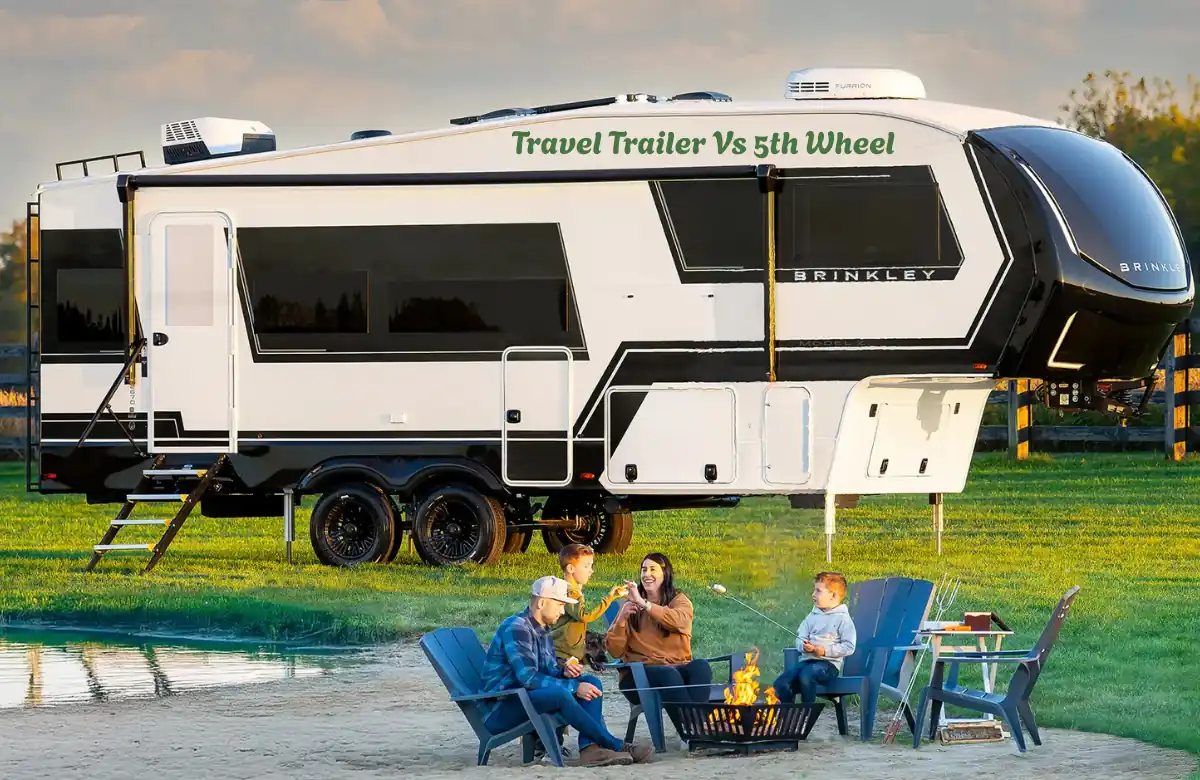
The real differences come down to towing comfort, living space, storage space, cost, and how you actually plan to travel in 2026.
This guide breaks it all down, based on years of full-time travel, long highway days, and real campground life, so you can decide what is a travel trailer vs 5th wheel for your needs.
What Is a Travel Trailer?
A travel trailer is the most common type of towable RV I see on the road. I’ve personally towed them through desert crosswinds in Arizona and narrow forest roads in the Pacific Northwest.
It connects to your tow vehicle using a hitch receiver at the rear bumper. Most setups rely on a weight distribution hitch with sway control bars, plus a brake controller inside the cab.
Sizes vary widely. You’ll find travel trailers from about 15 to 35 feet long, with weights ranging from roughly 2,500 to 8,000 pounds. Many are half-ton towable, meaning a properly equipped F-150 Ford or similar pickup truck can handle them if payload capacities allow.
Inside, layouts stay mostly single-level. Floor plans often include slide outs, compact kitchens, convertible dinettes, and surprisingly efficient living spaces. Some models add full-sized appliances and outdoor entertainment setups, but space is still tighter than a fifth wheel.
Travel trailers work well for first-time RV owners. They’re easier to find campsites for, especially in national parks and older state parks with length limits. Setup is faster once you’ve done it a few times.
Pros include lower cost, more campsite flexibility, and compatibility with SUVs or smaller tow vehicles. Cons include more sway on highways, limited basement storage, and less vertical space compared to a fifth wheel.
What Is a 5th Wheel Trailer?
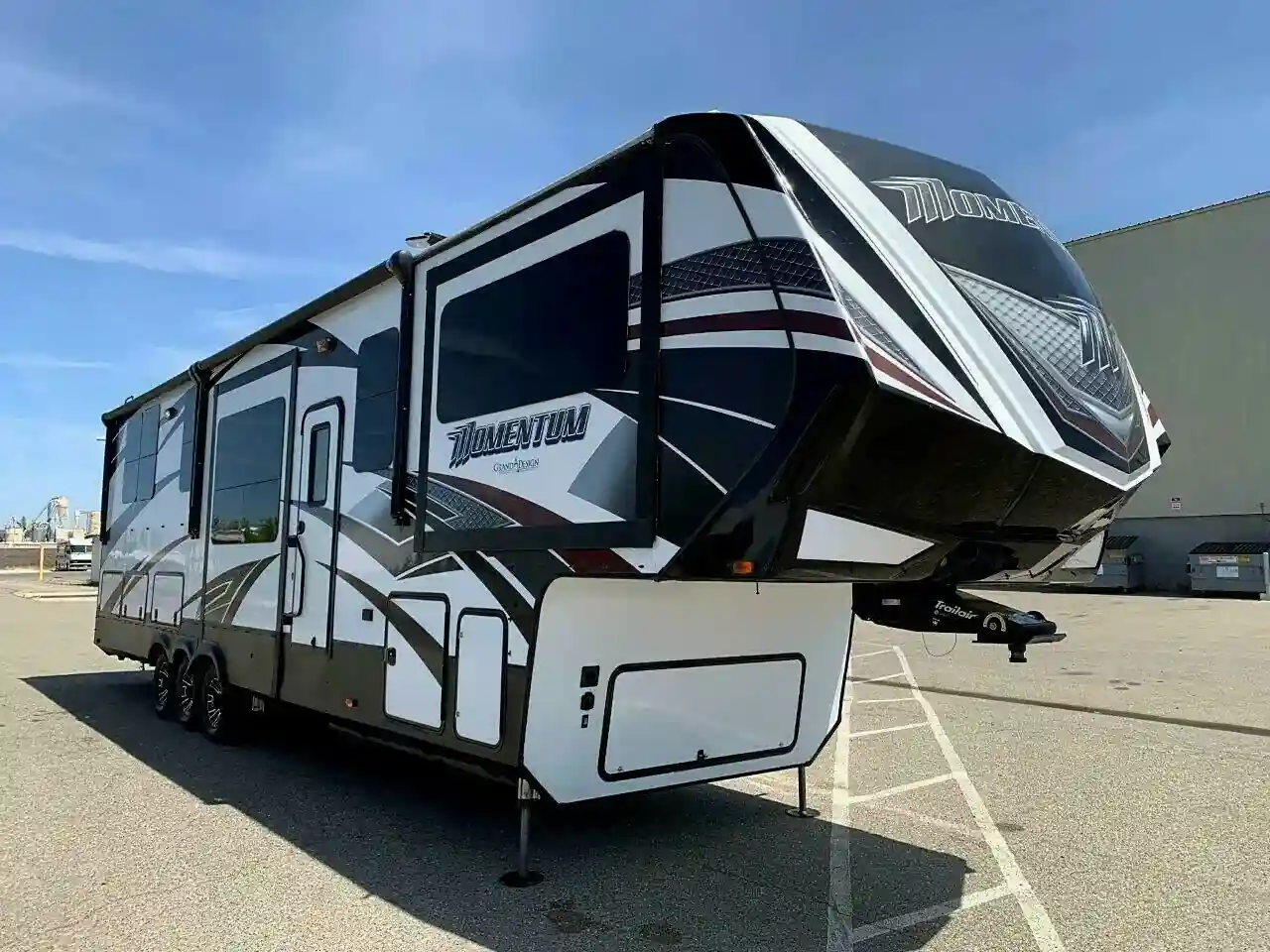
A fifth wheel is built very differently, and you feel it the first time you tow one. I learned this while pulling a Grand Design fifth wheel through Montana with a Chevy 2500 and a puck system installed.
Instead of a rear hitch receiver, a fifth wheel uses a hitching system mounted in the truck bed. The coupling mechanism locks onto a kingpin, placing pin weight directly over the rear axle. This improves stability and reduces sway at highway speeds.
Most fifth wheels range from 25 to 45 feet long and weigh anywhere from 7,000 to well over 15,000 pounds. These require serious towing capacity and are not half-ton towable. A heavy-duty pickup truck is essential.
Inside, the bi-level design changes everything. You get higher ceilings, a raised bedroom or loft space, and a basement section that adds real storage bay capacity. Many models include walk-in closets, reclining theater seating, electric fireplaces, and residential-style kitchens.
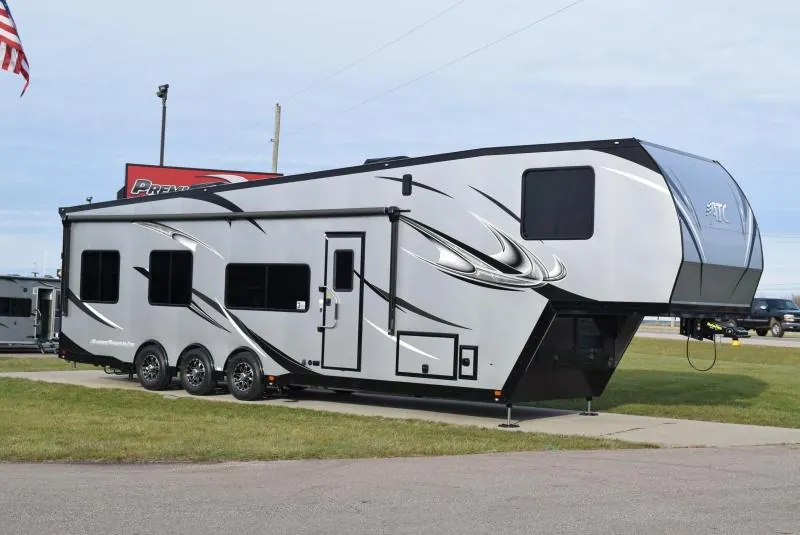
Fifth wheels are popular with full-time RVers and full-time travelers. Living spaces feel closer to a small apartment. Toy Hauler models even add ramp doors, onboard generators, and toy hauler storage for motorcycles or gear.
The downsides are size, cost, and reduced access to tight campsite locations. But for long stays and a full-time RV lifestyle, few RV trailers feel as stable or spacious.
Travel Trailer vs 5th Wheel at a Glance
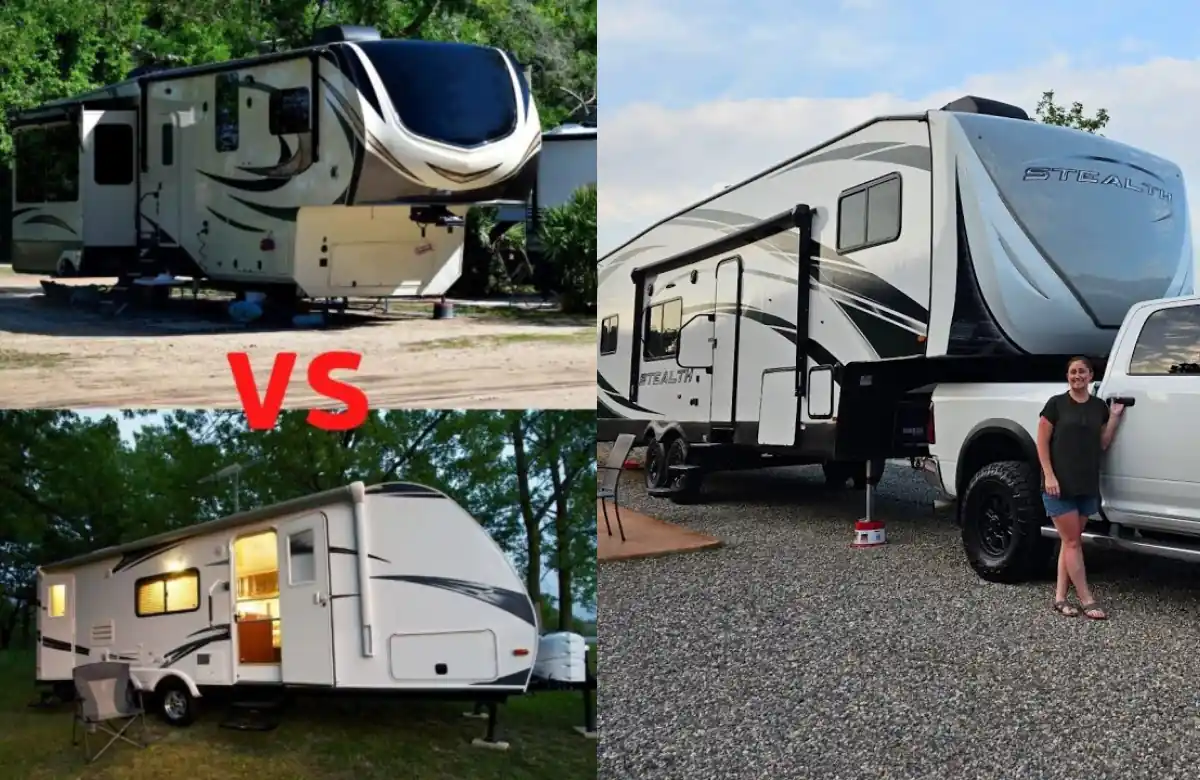
When people ask me what is a travel trailer vs 5th wheel, they usually want a fast, real-world comparison. I’ve parked both side by side in RV parks across Colorado and Arizona, and the differences show up immediately.
A travel trailer uses a rear hitch receiver. A fifth wheel connects through a hitch in the truck bed. That single change affects everything from towing stability to storage space.
Travel trailers work with a wider range of tow vehicles. Many are half-ton towable with the right towing capacity and payload limits. Fifth wheels demand a heavy-duty pickup truck and a dedicated hitching system.
Living space also feels different. Travel trailers stay compact and efficient. Fifth wheels add vertical room, loft space, and true basement storage that changes long-term comfort.
Setup favors travel trailers for quick stops. Storage and residential amenities favor fifth wheels. Neither is better for everyone. They simply suit different travel goals.
Towing and Driving Experience Compared
Towing a travel trailer requires more attention, especially in wind. I’ve felt sway control bars working overtime crossing open plains in Wyoming. Proper weight distribution hitch setup matters a lot.
Travel trailers sit behind the rear axle. Tongue weight and balance mistakes show up fast at highway speeds. Once dialed in, they’re manageable, but beginners feel the learning curve.
Fifth wheels tow differently. With pin weight centered over the truck bed, stability improves instantly. Turning radius tightens, and backing into campsites feels more predictable after a few attempts.
City driving still favors smaller travel trailers. Fifth wheels demand more planning in fuel stations and tight streets. Highway cruising, though, is where fifth wheels shine.
For beginners, travel trailers are easier to buy into. For long-distance towing confidence, fifth wheel vs travel trailer towing comparison usually favors the fifth wheel.
Interior Space, Comfort, and Layout Differences
Interior comfort is where the decision often becomes emotional. I noticed this clearly during longer stays in Utah and Texas.
Travel trailers maximize space through smart floor plans. Slide outs add width, but ceiling height stays limited. Storage space exists, but it’s spread across smaller compartments.
Fifth wheels feel taller and more open. The bi-level design creates separation between sleeping and living spaces. Basement storage adds room for tools, gear, and seasonal items.
Kitchens often include full-sized appliances in fifth wheels. Residential-style kitchens, large water tanks, and better electrical systems make extended stays easier.
For anyone considering fifth wheel vs travel trailer full time living, comfort usually tips toward the fifth wheel. Short trips and flexibility still favor travel trailers.
Cost Breakdown in 2026
Cost is where many buyers pause, and for good reason. After helping friends shop rigs in Texas and Arizona, I’ve seen budgets shift fast once tow vehicles enter the picture.
Purchase Price Ranges
• Travel trailer: $18,000 to $45,000
• Fifth wheel: $35,000 to $90,000+
Luxury fifth wheels with residential amenities, like Grand Design or Momentum 399TH Toy Hauler models, sit at the higher end.
Tow Vehicle Costs
• Travel trailers often work with an existing SUV or half-ton towable truck
• Fifth wheels usually require a Chevy 2500 or similar heavy-duty pickup truck
Ongoing Costs
• Insurance runs higher on fifth wheels
• Maintenance costs increase with size and complexity
• Gas mileage fifth wheel vs travel trailer almost always favors travel trailer
Long term, fifth wheels hold value well for full-time RVers. Travel trailer wins for lower entry cost and flexibility.
Campsite Access and Where You Can Stay
Where you plan to camp matters more than most buyers expect. I’ve been turned away from tight national parks with longer rigs more than once.
Advantages
• Easier access to state parks and national parks
• Better fit for older campground layouts
• More flexibility in campsite locations
Fifth Wheel Considerations
• Larger RV parks handle them easily
• Boondocking works well with large water tanks and solar system setups
• Tight forest roads and historic parks can be limiting
Off-grid camping favors fifth wheels with lithium batteries and onboard generators. Park-hopping favors travel trailers.
Which Is Better for Your Travel Style?
This is where the decision becomes personal. I’ve watched couples switch rigs after one season because travel habits changed.
Weekend Trips and Road Trips
• set up faster
• Easier to store between trips
• Lower fuel and campsite costs
Full-Time RV Living
• Fifth wheels offer real living spaces
• Better storage bay capacity
• Strong choice for a full-time RV lifestyle
Traveling with Kids or Pets
• Fifth wheels give room to spread out
• Travel trailers keep everyone closer
Solo Travelers and Couples
• Travel trailers feel simpler
• Fifth wheels suit long stays
Long-Distance and Seasonal Travel
• Fifth wheels handle highways better
• Travel trailers handle variety better
If you still wonder what is a travel trailer vs 5th wheel, the answer usually lies in how often and how far you plan to travel.
Common Mistakes Buyers Make When Choosing
After years on the road and countless campground conversations, the same mistakes come up again and again. I’ve watched people regret purchases within a single season.
• Buying too big too fast
Large fifth wheels look tempting on dealer lots. In real campsites, size limits hit hard. Many state parks cap length at 30 to 35 feet.
• Ignoring tow vehicle limits
Payload capacities matter more than towing capacity. I’ve seen half-ton towable trucks overloaded before leaving the lot.
• Underestimating setup and storage needs
Fifth wheels need space for hitching systems. Travel trailers need sway control bars dialed in correctly.
• Focusing only on price, not lifestyle
The cheapest option often becomes expensive if it does not match how you travel.
Understanding what is a travel trailer vs 5th wheel before buying prevents most of these mistakes.
Travel Trailer vs 5th Wheel: Final Verdict
There is no universal winner here. After towing both across deserts, mountains, and coastlines, the differences stay consistent.
Travel trailers offer flexibility, lower cost, and wider campsite access. They work well for weekend trips, national parks, and first-time RV owners.
Fifth wheels deliver stability, storage space, and true residential comfort. They shine for full-time RVers, long stays, and travelers who value interior living space.
The right choice depends on your tow vehicle, travel rhythm, and how much time you plan to spend inside your RV. Match the rig to real usage, not showroom appeal, and what is a travel trailer vs 5th wheel becomes a clear decision.
Frequently Asked Questions
1. Is a travel trailer easier to tow than a 5th wheel?
For beginners, yes. Travel trailers require less specialized equipment. Fifth wheels tow more smoothly once set up correctly.
2. Do 5th wheels sway less on highways?
Yes. The hitch in the truck bed reduces sway and improves stability at speed.
3. Can an SUV tow a travel trailer?
Some smaller travel trailers, yes. Always check tongue weight, payload, and brake controller compatibility.
4. Is a 5th wheel better for full-time living?
In my experience, yes. The added living space, basement storage, and layout comfort matter long term.
5. What is a travel trailer vs 5th wheel cost difference?
Travel trailers cost less upfront. Fifth wheels often require a new tow vehicle and higher insurance.
6. Which gets better fuel mileage?
Gas mileage fifth wheel vs travel trailer favors travel trailers due to lower weight and drag.
7. Is backing up harder with a fifth wheel?
It feels different, not harder. The pivot point makes turning more predictable once practiced.
8. Can you boondock with both?
Yes. Fifth wheels often support off-grid camping better with solar systems and large tanks.
9. Which is safer in strong wind?
Fifth wheels handle crosswinds better due to pin weight placement.
10. Which holds resale value better in 2026?
Fifth wheels tend to hold value with full-time RVers. Travel trailers resell faster due to broader demand.