

Travel should feel fun, not stressful. Still, many travelers worry about losing things like passports, phones, or carry-on belongings. This travel risk feels bigger during busy times like March Madness weekends, the NCAA tournament, or summer holidays when airports and security checkpoints stay crowded.
You may hear people Ask “Is There a 50/50 Chance of Losing Something When Traveling?”. That does not mean it happens to everyone. It means the risk depends on choices, environment, and habits.
Government statistics and incident-based statistics show most trips end without loss, similar to how shark attacks or meteorite impact sound scary but stay rare.
This article explains how likely item loss really is, why it happens, and how you can lower the risk. You will also learn simple tips that work for short vacations, long-term travel, vacation rentals, hostels, and guided tours.
Factors Influencing the Chance of Losing Items
A. Types of Items Typically Lost
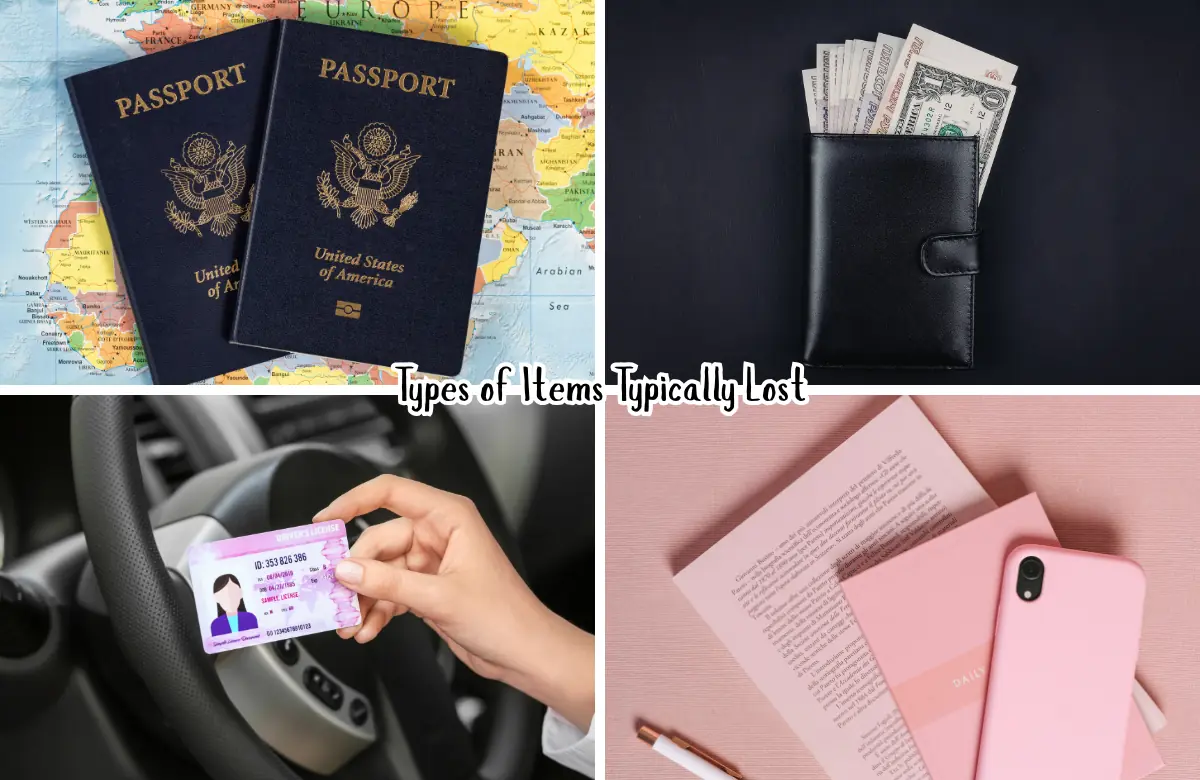
Some items go missing more than others. Passports, wallets, and driver license numbers top the list. Phones, laptops, and tablets count as common digital losses, especially without cloud backups. Chargers and headphones get left behind in hotel rooms, hostel dorms, and baggage claim areas.
Checked luggage can also get delayed or misplaced. Airlines track bags through tracking systems and lost-and-found databases, but mistakes still happen. Luggage tags and tracking tags reduce this risk and help luggage tracking technologies work better.
B. Travel Environment

Crowded places raise the chance of loss. Airports, baggage claim areas, food tours, walking tours, and popular sites like Machu Picchu, the Inca Trail, or the Galapagos Islands keep people distracted. Busy spaces increase availability bias, where rare problems feel common because you hear about them often.
Accommodation matters too. Hotels with security measures like cameras stay safer than shared hostel dorms. Vacation rentals need extra care since staff support may be limited. Trains and buses also create risk if bags move often or sit out of sight.
Also Read: How to Get to Samaria Gorge Crete from Chania?
C. Traveler Behavior

Your habits matter most. Travelers who rush, skip packing routines, or ignore organization lose items more often. People new to travel or using Google Flights for tight connections face higher stress and distraction.
Experience helps. Seasoned travelers check pockets, use weight belts for valuables, and store vaccines & meds carefully. Staying mindful, even during trip delay or cancellation coverage issues, lowers loss risk more than luck ever will.
Statistical Data on Item Loss
A. Surveys and Studies
Many studies show there is no true 50/50 chance of losing something when traveling. Government statistics, airline reports, and scientific articles agree on this. Most travelers complete trips without any loss. Airlines report that less than 1 percent of checked luggage gets misplaced. That number drops further when travelers use luggage tags and tracking tags.
National Safety Council data also shows personal item loss stays far lower than people expect. The risk feels bigger because of availability bias. You hear more stories about lost bags than smooth trips, just like people fear shark attacks more than common daily risks.
Travel insurance providers also publish incident-based statistics. Lost baggage reimbursement claims stay rare compared to trip delay or cancellation coverage claims. This shows delays happen more often than permanent loss.
B. Trends Over Time
Loss rates have dropped over time. Luggage tracking technologies now use scanning systems, GPS-style tracking systems, and airline apps. Lost-and-found databases link airports, hotels, and transport hubs. Marriott Bonvoy and the Marriott Bonvoy Travel Hub also help guests recover items faster.
Digital habits changed things too. Cloud backups protect photos and files from digital losses. Phones now link to tracking systems that work across borders. Compared to ten years ago, losing items during long-term travel or guided tours is less common.
Strategies to Reduce the Risk of Losing Items
A. Pre-Travel Preparations
Start with a simple checklist. Write down passports, travel permits, vaccines & meds, travel credit card, and carry-on belongings. Keep copies online and offline. Use protective cases for electronics and tracking tags for luggage.
Choose travel insurance that includes lost baggage reimbursement, rental car coverage, and trip delay support. Read policy details before booking through Google Flights or a travel site. Preparation lowers travel risk more than luck ever will.
B. During Travel Tips

Keep valuables on your body, not in checked luggage. Use inside pockets or a weight belt. Stay alert at security checkpoints, baggage claim areas, and busy tourist spots. Do quick pocket checks after taxis, buses, or food tours.
In hotels or vacation rentals, pick one place for keys, wallet, and phone. In hostel dorms, use lockers and never leave items unattended. On walking tours or guided tours, keep bags zipped and close.
C. Post-Travel Actions
If something goes missing, act fast. Report it at the baggage claim desk or hotel front desk right away. Use airline apps, tracking systems, and lost-and-found databases.
Contact your travel insurance provider if needed. Keep receipts and reports ready. Quick action improves recovery chances and speeds up reimbursement.
Conclusion
Losing items while traveling is not a true 50/50 chance. The real risk depends on habits, environment, and preparation. Statistics show loss is rare, even during busy travel seasons.
You can lower travel risk by staying organized, using tracking tools, and choosing the right travel insurance. Simple routines protect your belongings and your peace of mind. Stay aware, stay prepared, and enjoy your trip without stress.
Frequently Asked Questions
1. What is a level 2 warning for travel?
A level 2 travel warning means exercise increased caution. It signals safety, health, or security concerns, but travel is still allowed with awareness and preparation.
2. How serious is a level 3 travel advisory?
A level 3 advisory means reconsider travel. It points to serious risks like unrest, crime, or health issues, and travel insurance coverage may be limited.
3. How to avoid lost luggage when traveling?
Use luggage tags and tracking tags, avoid tight connections, and keep valuables in carry-on belongings. Always watch bags at security checkpoints and the baggage claim area.
4. Is there really a 50/50 chance of losing personal belongings while traveling?
No. Data shows losing items while traveling is rare. Risk depends on habits, crowd levels, and organization, not equal odds.
5. How likely am I to lose something important when I travel?
The chance is low if you stay organized, use tracking systems, and keep valuables secure. Most trips end without any loss.
6. What factors affect the probability of losing items during a trip?
Crowds, distractions, poor packing routines, lack of tracking tags, and rushing through airports raise travel risk.
7. Can traveling increase the risk of losing valuables by half?
No evidence supports a 50 percent increase. Risk rises slightly in busy places but stays low overall.
8. Why do travelers commonly lose belongings during trips?
Distraction, unfamiliar environments, and poor organization cause most losses, not bad luck.
9. What are the most commonly lost items when traveling?
Phones, wallets, passports, chargers, and checked luggage are lost more often than other items.
10. How do different travel modes impact the risk of losing items?
Airports and buses increase risk due to crowds and movement. Direct flights and fewer transfers lower risk.
11. Are certain destinations associated with higher risks of lost property?
Crowded tourist attractions raise risk, not specific countries or regions.
12. How can travelers reduce the chances of losing their belongings?
Use checklists, luggage tags, tracking systems, and secure pockets. Stay mindful in crowded spaces.
13. What are the best practices for securing valuables during travel?
Carry valuables on your body, avoid checked luggage for important items, and use hotel safes when available.
14. Are travel insurance policies effective in covering lost items?
Yes. Many policies offer lost baggage reimbursement and coverage for delayed or stolen items.
15. How do cultural or regional factors influence the likelihood of losing possessions when traveling?
Crowding, transport systems, and accommodation type matter more than culture itself.