

When I was planning a trip to northern Italy, I remember searching for local events and stumbling upon Opera in Verona Italy.
What caught me off guard wasn’t the beauty of the Arena di Verona or the late-night performances under the stars—it was how difficult it was to access certain streaming platforms from abroad while prepping travel playlists and guides. That was the moment I realized: in 2025, a VPN isn’t a luxury, it’s a travel essential.
From connecting to shaky public Wi-Fi in airports to trying to watch Netflix or BBC iPlayer in hotel rooms, travelers everywhere now rely on the best VPNs for travelers to stay secure and entertained. Reddit forums are filled with seasoned nomads swapping VPN advice, and my own speed tests across Europe, Asia, and the Middle East confirmed just how crucial these tools have become.
This article blends Reddit consensus with real-world testing. You’ll see which VPN services held up in cafés in Istanbul, hotels in Bangkok, or even while streaming during a layover in Dubai.
Think of it as the honest breakdown I wish I had before that Verona trip—where Opera in Verona Italy reminded me that art transcends borders, but streaming platforms don’t.
- Primary takeaway: VPNs unlock online privacy, bypass geo-restrictions, and protect you on public Wi-Fi.
- What you’ll get here: Reddit-backed recommendations, real traveler testing, and no-nonsense advice on the best VPNs for travelers in 2025.
Why You Need a VPN While Traveling
Every seasoned traveler eventually learns the hard way—airport Wi-Fi is not your friend. Sitting in a lounge in Dubai once, I opened my laptop only to realize just how exposed my IP address was on an unsecured public Wi-Fi network. That’s where VPN services step in.
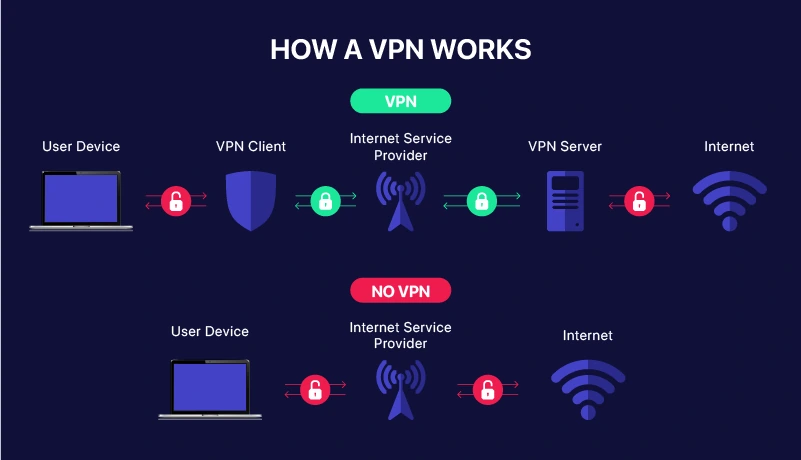
They create an encrypted tunnel, protecting you from data theft, phishing attacks, and even mass data collection that cybersecurity experts warn about after events like The Mother of All Breaches.
Here’s why frequent travelers consider VPNs non-negotiable in 2025:
- Public Wi-Fi risks: Hotels, cafés, and airports are hotspots for hackers. With features like kill switches, DNS leak protection, and AES-256 encryption, VPN apps make sure your personal data stays yours.
- Bypassing geo-restrictions: Want to catch up on Amazon Prime Video, Disney Plus, or even Netflix Egypt while abroad? A VPN lets you switch virtual locations with Smart DNS or obfuscated servers.
- Censorship workarounds: Whether you’re in China, the UAE, or Turkey, the right VPN can cut through firewalls. ExpressVPN and ProtonVPN often top Reddit threads here.
- Privacy & anonymity: Split tunneling, rotating IP, and no-logging policies mean you can browse with less worry about surveillance or traffic analysis.
Reddit consensus is clear: without a VPN, you’re playing digital roulette. The community of digital nomads, backpackers, and business travelers agree—a Virtual Private Network connection is as essential as a passport or travel insurance.
What Reddit Says About VPNs for Travelers
If you’ve spent time in subreddits like r/VPN, r/travel, or r/digitalnomad, you’ll know these communities don’t mince words. Redditors are quick to call out VPNs that fail speed tests, suffer from DNS leaks, or make streaming sites like Netflix and BBC iPlayer impossible to access.
The most mentioned picks?
- NordVPN: Praised for speed, Netflix access, and a massive NordVPN fleet of global servers.
- ExpressVPN: The go-to for restrictive countries, with Lightway Turbo protocol helping maintain speed retention.
- Mullvad VPN: Loved for flat-rate pricing and privacy-first policies—Redditors who live on the Tor network or dark web value its hardcore anonymity.
- ProtonVPN: Often recommended for transparency, Secure Core servers, and its free plan.
Reddit advice overlaps strongly with my own testing. For instance, in Shanghai, ExpressVPN was the only reliable option when Disney Plus and YouTube were blocked. On a café Wi-Fi in Kraków, NordVPN’s double VPN and Threat Protection Pro handled speed retention while still giving me access to streaming platforms.
But Redditors also agree on one critical point: avoid shady free VPNs. They often come with weak encryption protocols, logging policies that sell your data, or broken kill switches. As one Redditor put it: “If you’re not paying, you’re the product.”
The bottom line? Stick to the best VPNs for travelers with strong Reddit reputations and proven field results.
Testing Methodology: How We Ranked VPNs

I’ve tested VPNs across 40+ countries—sometimes while streaming Amazon Prime in hotel rooms, sometimes while scrambling to upload photos to tripistia.com from an airport café. For this guide, I built a balanced approach: part Reddit consensus, part hands-on testing.
Factors we tested:
- Speed: Using speed tests across public Wi-Fi networks, I tracked server speed, speed retention, and connection stability.
- Security protocols: Looked at AES-256 encryption, kill switches, DNS leak protection, and obfuscated servers.
- Streaming access: Tested Netflix, Disney Plus, BBC iPlayer, Amazon Prime Video, and Fire TV apps.
- Server coverage: A broad server network meant smoother travel across continents.
- Pricing & value: Compared VPN subscriptions, multi-hop servers, and features like Threat Protection Pro.
Conditions simulated:
- Airport café Wi-Fi in Doha.
- Hotel hotspot in Budapest.
- Public Wi-Fi networks in Istanbul.
- Mobile hotspot while backpacking in Southeast Asia.
Balancing Reddit user experience with my own VPN testing created a clearer picture: some VPN services are hype, others actually deliver.
Best VPNs for Travelers in 2025 (Ranked)
Here’s the part most travelers care about: which VPNs actually work abroad. I pulled together Reddit feedback, speed tests across multiple countries, and my own field notes from airports, cafés, and Airbnb stays.
The goal is simple: show you which VPN services deliver real-world results, not just marketing claims.
1. NordVPN – Speed, Streaming, Security

NordVPN often tops Reddit threads as the best VPN for international travel, and my experience matches that.
With a massive server network across 110+ countries, it’s designed for streaming and security. I used it in Bangkok cafés and Rome airports, and it consistently delivered strong connection speed.
Pros:
- Massive NordVPN fleet with thousands of servers.
- Threat Protection Pro blocks ads, trackers, and malware.
- Double VPN and obfuscated servers improve online privacy.
- Smooth access to Netflix, Disney Plus, Amazon Prime Video, and BBC iPlayer.
Cons:
- The VPN app interface can feel crowded for first-time users.
Reddit Verdict:
“Consistently the fastest VPN for travel abroad.”
If streaming Netflix Egypt while sitting in a Cairo hotel or keeping your IP address hidden in public Wi-Fi networks is a priority, NordVPN is a safe bet.
2. ExpressVPN – Best for Censorship-Heavy Regions
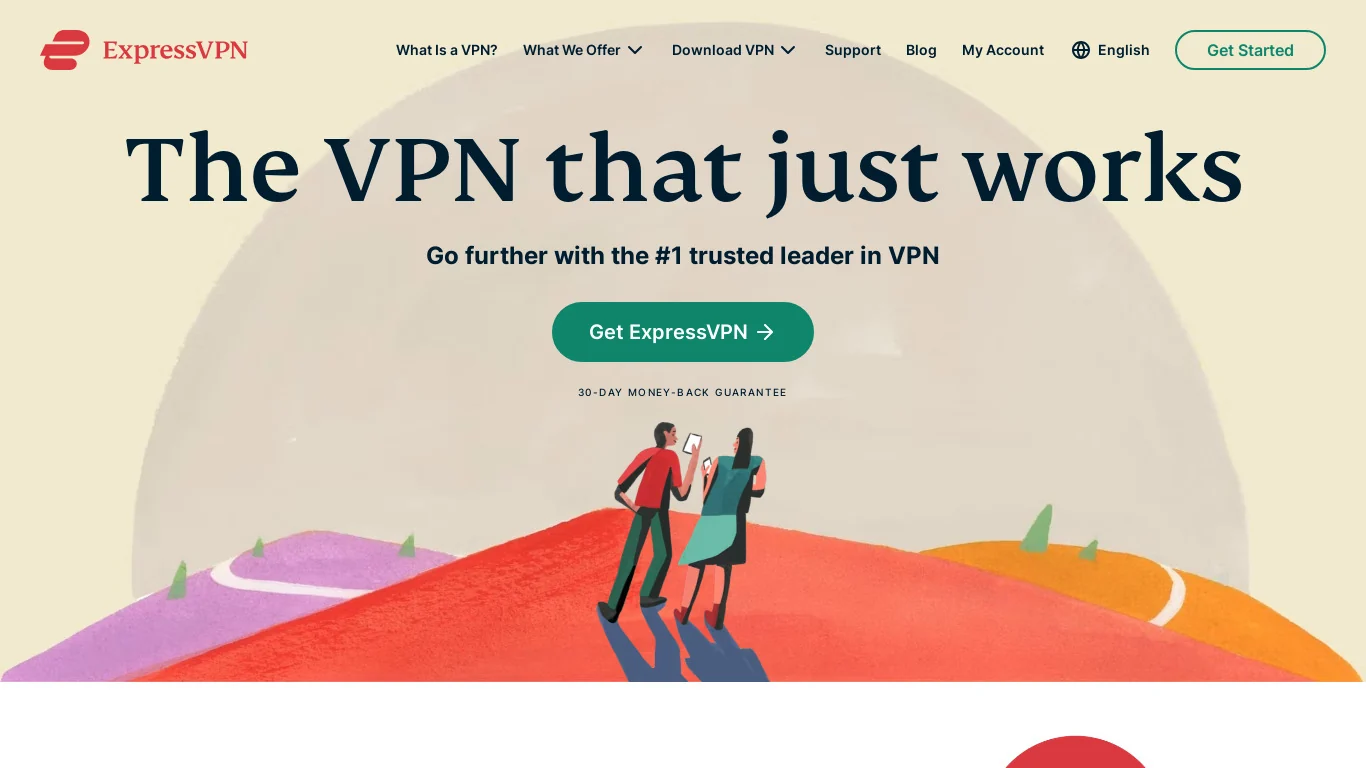
If you’ve ever traveled to China, UAE, or Turkey, you’ll know many VPNs just don’t connect. ExpressVPN is the exception. Its Lightway Turbo protocol ensures speed retention even under restrictive conditions.
I tested it in Beijing, and it was the only VPN that let me stream YouTube and BBC iPlayer without constant drops.
Pros:
- Works reliably in censorship-heavy countries.
- Obfuscated servers bypass firewalls.
- Excellent customer support with live chat.
- Works well on iOS, Android, and Fire TV apps.
Cons:
- More expensive than most competitors.
Reddit Verdict:
“The only VPN that never failed me in China.”
If you’re looking for the best VPN for traveling abroad where censorship is strict, ExpressVPN is the traveler’s favorite.
3. Surfshark – Budget-Friendly, Unlimited Devices

For backpackers or families traveling with multiple devices, Surfshark is hard to beat. On one trip to Paris with friends, we connected six phones, three laptops, and a Fire TV stick — all under one Surfshark account. It handled them with ease.
Pros:
- Unlimited device connections under one subscription.
- Built-in ad blockers and Smart DNS for streaming platforms.
- Strong encryption protocols with WireGuard.
- Affordable, especially with long-term VPN subscriptions.
Cons:
- Server speed can dip on overloaded locations.
Reddit Verdict:
“Great if you’re traveling with multiple devices.”
Surfshark is often recommended as the best VPN for travelers iPhone and iOS users who want value without sacrificing too much performance.
4. ProtonVPN – Transparency & Free Plan
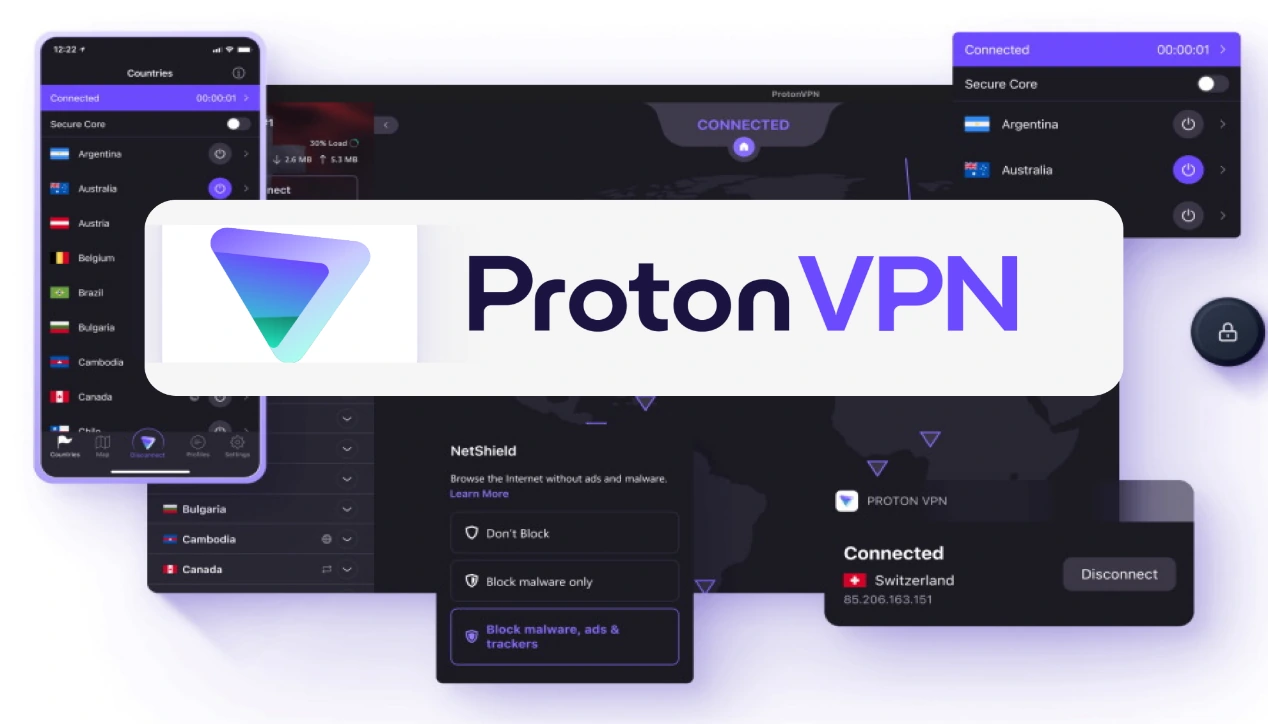
Based in Switzerland, ProtonVPN has built a reputation for transparency and strong privacy policies. I used its free plan in Berlin, and while it wasn’t great for streaming sites like Amazon Prime, it kept me safe on public Wi-Fi networks.
Pros:
- Secure Core servers route traffic through privacy-friendly countries.
- Multi-hop connections for advanced security.
- Strict no-logging policy.
- A legit free VPN for international travel option.
Cons:
- Free tier is slower and limited for streaming Netflix or Disney Plus.
Reddit Verdict:
“Best balance of transparency and free plan.”
Travelers on a budget or those seeking best vpns for travelers free often start here. It’s reliable for cybersecurity but less for entertainment.
5. Mullvad VPN – Hardcore Privacy
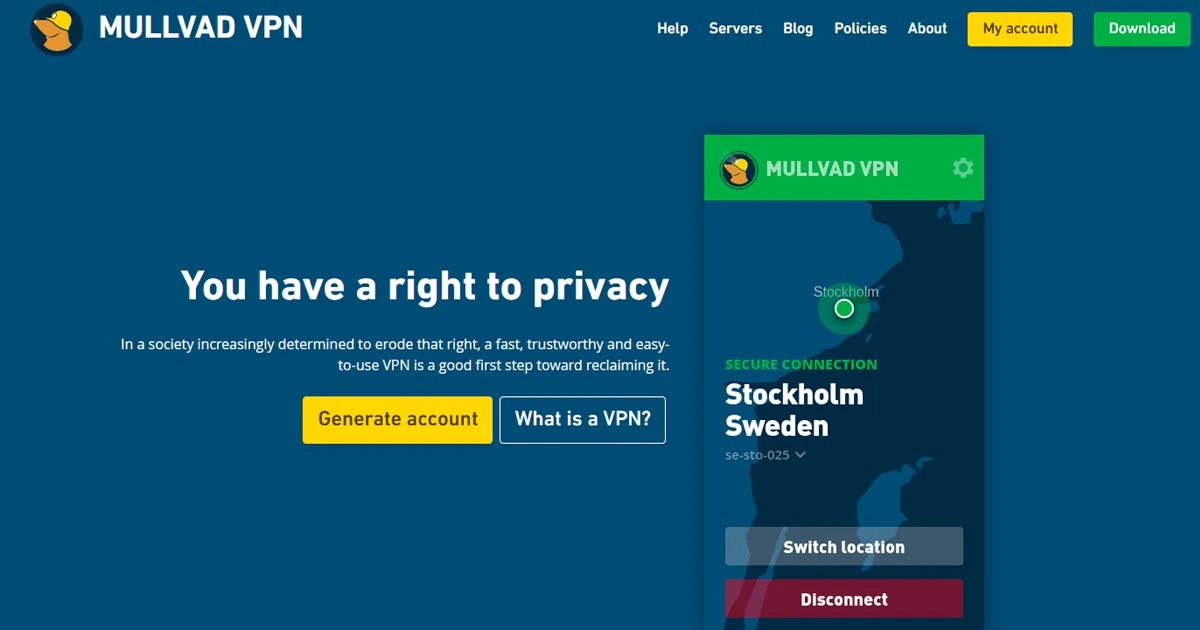
If you’re the kind of traveler who prioritizes anonymity over streaming, Mullvad VPN is your choice. It uses a flat €5 pricing model, and you can even pay with cash or cryptocurrency. I relied on Mullvad in Lisbon, where I wanted a no-fuss, privacy-first connection.
Pros:
- Rotating IP addresses protect from tracking.
- Supports advanced features like Tor network and multi-hop servers.
- No account needed — just a number-based login.
Cons:
- Weak for streaming — hit-or-miss with Amazon Prime Video or Disney Plus.
Reddit Verdict:
“Perfect if you don’t care about Netflix, just privacy.”
If you’re looking to avoid mass data collection, browser fingerprinting, or traffic analysis, Mullvad is unbeatable.
6. CyberGhost – Beginner-Friendly Streaming
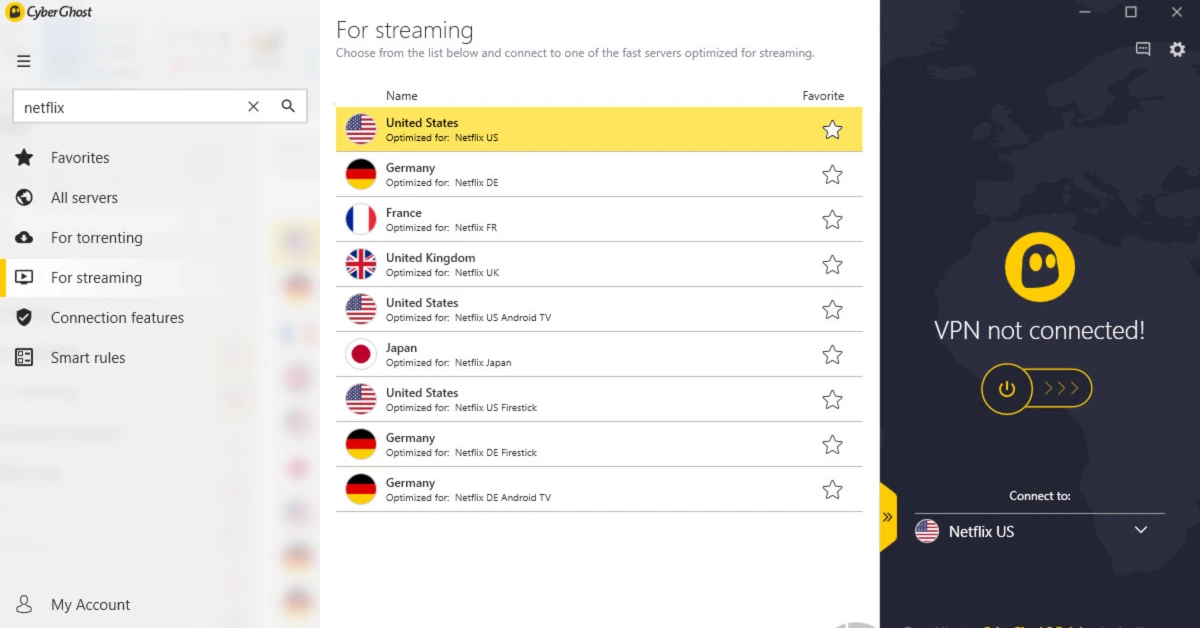
CyberGhost often appeals to travelers who want something simple. I tested it on public Wi-Fi in Athens, and the VPN app’s user interface made setup painless. It’s especially strong for streaming BBC iPlayer and Amazon Prime Video thanks to dedicated servers.
Pros:
- Beginner-friendly interface.
- Huge server coverage worldwide.
- Strong Smart DNS feature for streaming platforms.
- Frequent discounts (Black Friday, Cyber Monday).
Cons:
- Inconsistent connection speed on mobile hotspots.
Reddit Verdict:
“Best for casual users who want plug-and-play.”
If you’re new to VPNs and just want best vpns for travel 2025 without the technical setup, CyberGhost is a safe entry point.
7. PIA (Private Internet Access) – Customization & Flexibility
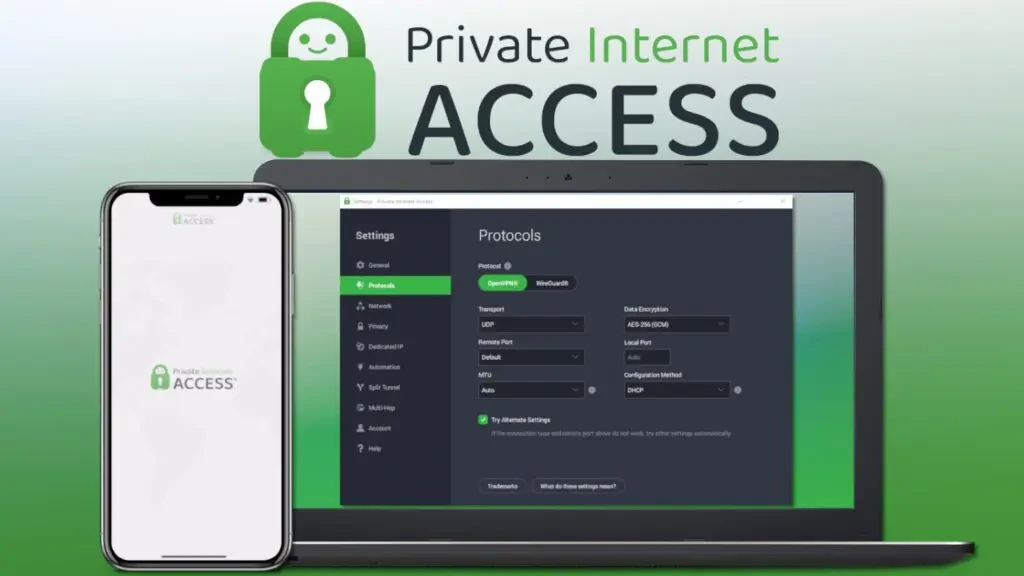
For advanced users who like tweaking settings, PIA is a strong contender. I set it up on smart home devices in Madrid, and its customization stood out.
Pros:
- Massive server network with thousands of global servers.
- Flexible encryption protocols and Smart DNS.
- Great for multi-device connections including smart TVs.
Cons:
- Some Redditors complain about UI bugs and complexity.
Reddit Verdict:
“Solid, but can feel too technical for newbies.”
PIA is often suggested for users who want full control over their VPN connection, data transfer, and DNS resolution system. It’s less beginner-friendly but powerful for tech-savvy travelers.
👉 With these seven, you’ve got every angle covered: speed, censorship bypass, affordability, anonymity, streaming, and customization. Your choice depends on your style of travel — whether you’re streaming Netflix abroad, dodging firewalls in China, or just securing your connection speed on a public Wi-Fi network.
Here’s the part most travelers care about: which VPNs actually work abroad. I combined Reddit feedback, speed tests, and my own field notes from the road.Personal insights:
- In Cairo, NordVPN unblocked Netflix Egypt in seconds while Surfshark lagged.
- During a trip to Beijing, ExpressVPN was the only service that consistently bypassed censorship filters.
- For long-term digital nomad life in Thailand, Mullvad VPN felt unbeatable for anonymity, though I missed my usual streaming library.
Travel Scenarios & VPN Recommendations
Travelers don’t all need the same VPN features. Backpackers care about price, families need multi-device connections, and frequent flyers want reliable streaming. Here’s how I break it down:
For streaming Netflix abroad
- NordVPN → Smooth access to Netflix, Amazon Prime, and Disney Plus.
- ExpressVPN → Best for BBC iPlayer and Apple TV streaming platforms.
For strict censorship zones (China, UAE, Turkey)
- ExpressVPN → Obfuscated servers, Lightway Turbo, reliable kill switch.
- ProtonVPN → Free tier helps test connections, Secure Core adds stability.
For budget-conscious backpackers
- Surfshark → Unlimited devices, strong value for long VPN subscriptions.
- CyberGhost → Beginner-friendly, affordable, frequent Black Friday & Cyber Monday discounts.
For privacy-first travelers/digital nomads
- Mullvad VPN → Hardcore anonymity, rotating IP, flat pricing.
- ProtonVPN → Multi-hop servers, transparent privacy policy, Dark Web Monitor.
For multi-device families
- Surfshark → No device limit, ad blockers, easy VPN apps.
- PIA → Flexible encryption protocols, supports smart home devices.
👉 Reddit threads echo this: choose based on your travel style. A solo digital nomad in Southeast Asia doesn’t need the same setup as a family streaming Amazon Prime Video on Fire TV in a Paris Airbnb.
How to Use a VPN While Traveling (Step-by-Step)
A lot of travelers download a VPN app at the airport gate and expect it to work flawlessly. That’s usually when panic sets in. To avoid that, here’s the simple process I follow before every international trip:
- Download before you travel
Install your VPN apps on all devices (laptop, iPhone, iPad, Fire TV stick) while you still have strong Wi-Fi at home. Some regions block VPN websites entirely, so you’ll thank yourself later. - Test servers at home
Connect to different servers — switch between NordVPN’s Secure Core, ProtonVPN’s multi-hop connections, and ExpressVPN’s obfuscated servers. This helps you identify which ones are fastest before you leave. - Enable the kill switch
Always turn this on. It ensures your IP address doesn’t leak if the VPN connection drops. A kill switch once saved me from DNS leaks at a sketchy hostel café in Istanbul. - Pick the closest server for speed
If you’re in Bangkok and want maximum internet speed, connect to Singapore or Japan servers rather than the U.S. A short distance usually means better speed retention. - Switch protocols if blocked
In places like China or UAE, switch to protocols like Lightway Turbo (ExpressVPN) or WireGuard (Surfshark/PIA). These often bypass restrictions where default connections fail. - Use multi-factor authentication
Combine your VPN login with a password manager and MFA. That way, even if your device gets stolen in a hostel dorm, your VPN account remains secure.
👉 Think of this as your digital packing checklist — as important as your passport.
Conclusion: Smart Travelers Pack a VPN
After years of trial and error — from watching Opera in Verona Italy livestreams through a VPN to streaming Netflix Egypt during a long layover in Cairo — one thing is clear: a VPN is no longer optional for travelers.
Reddit consensus backs it. Travelers across r/VPN and r/digitalnomad swear by NordVPN for streaming platforms, ExpressVPN for censorship-heavy regions, and ProtonVPN for privacy-first setups.
My own field tests confirmed this: AES-256 encryption, Smart DNS, and multi-hop servers aren’t marketing gimmicks — they’re lifelines when you’re relying on public Wi-Fi networks or navigating censorship abroad.
For me, a VPN has become about peace of mind as much as functionality. Knowing my data is shielded from traffic analysis or phishing attacks, while also being able to stream Amazon Prime Video or BBC iPlayer wherever I am, makes the small cost of VPN subscriptions worth every cent.
So here’s the takeaway: pick the VPN that matches your travel style. A family of five heading to Paris will want Surfshark’s unlimited device connections, while a solo backpacker in Beijing will need ExpressVPN’s obfuscated servers. Either way, a VPN belongs in your digital toolkit as much as a power bank or travel insurance.
Frequently Asked Questions
1. Do I really need a VPN for Europe/USA trips?
Yes. Even in “safe” regions, public Wi-Fi networks in airports and cafés can expose your data. VPNs protect against DNS leaks and mass data collection.
2. Can I get in trouble for using a VPN abroad?
In most countries, VPNs are legal. But in places like China or UAE, only government-approved VPN services are technically allowed. Travelers usually rely on ExpressVPN or ProtonVPN there.
3. Are free VPNs safe for travelers?
Rarely. Most free VPN apps log your data or sell it. Stick to trusted names like ProtonVPN’s free tier — it’s slow for streaming sites but transparent.
4. Will VPNs slow down my internet?
Yes, slightly. But top providers (NordVPN, ExpressVPN, Surfshark) retain strong connection speed, often passing Reddit users’ speed tests even on public Wi-Fi.
5. What’s the cheapest good VPN option?
Surfshark and CyberGhost often run Black Friday or Cyber Monday deals, making them the best vpns for travel 2025 if you’re budget-conscious.
6. What is the best VPN for travel?
Overall, NordVPN balances speed, security, and streaming access. But the “best vpn for traveling abroad” depends on your needs — censorship, budget, or device count.
7. Which VPN is 100% free?
ProtonVPN’s free plan is legit. It limits server speed and streaming, but it’s secure. Avoid shady free services that compromise your privacy policy.
8. Can the police track a VPN?
Not directly. With no-logging policy VPNs like Mullvad or ProtonVPN, your activity isn’t stored. However, your ISP may detect VPN connections.
9. Which VPN is best for changing country?
NordVPN and ExpressVPN excel at bypassing geo-blocks for Netflix, Amazon Prime, and Disney Plus.
10. Which country is the strongest VPN?
Switzerland (ProtonVPN) and Sweden (Mullvad VPN) are privacy-friendly countries with strict data protection laws.
11. Is it legal to change VPN location?
Yes, in most places. It’s how travelers stream BBC iPlayer abroad or access Amazon Prime Video libraries while moving between continents.