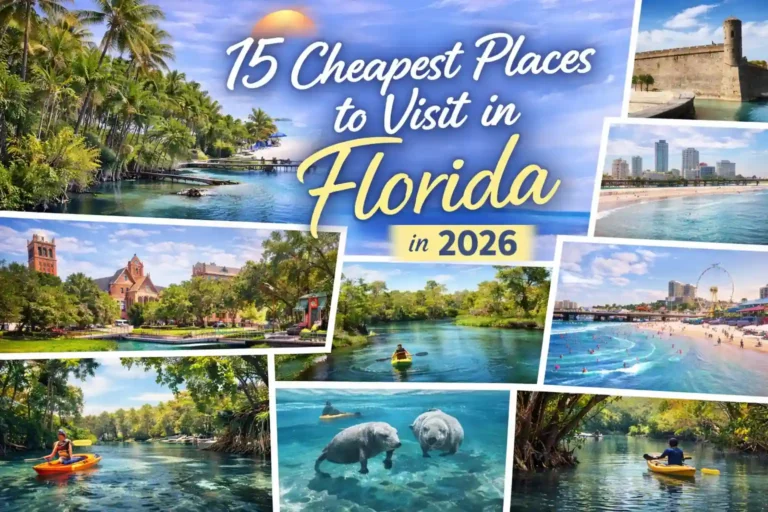
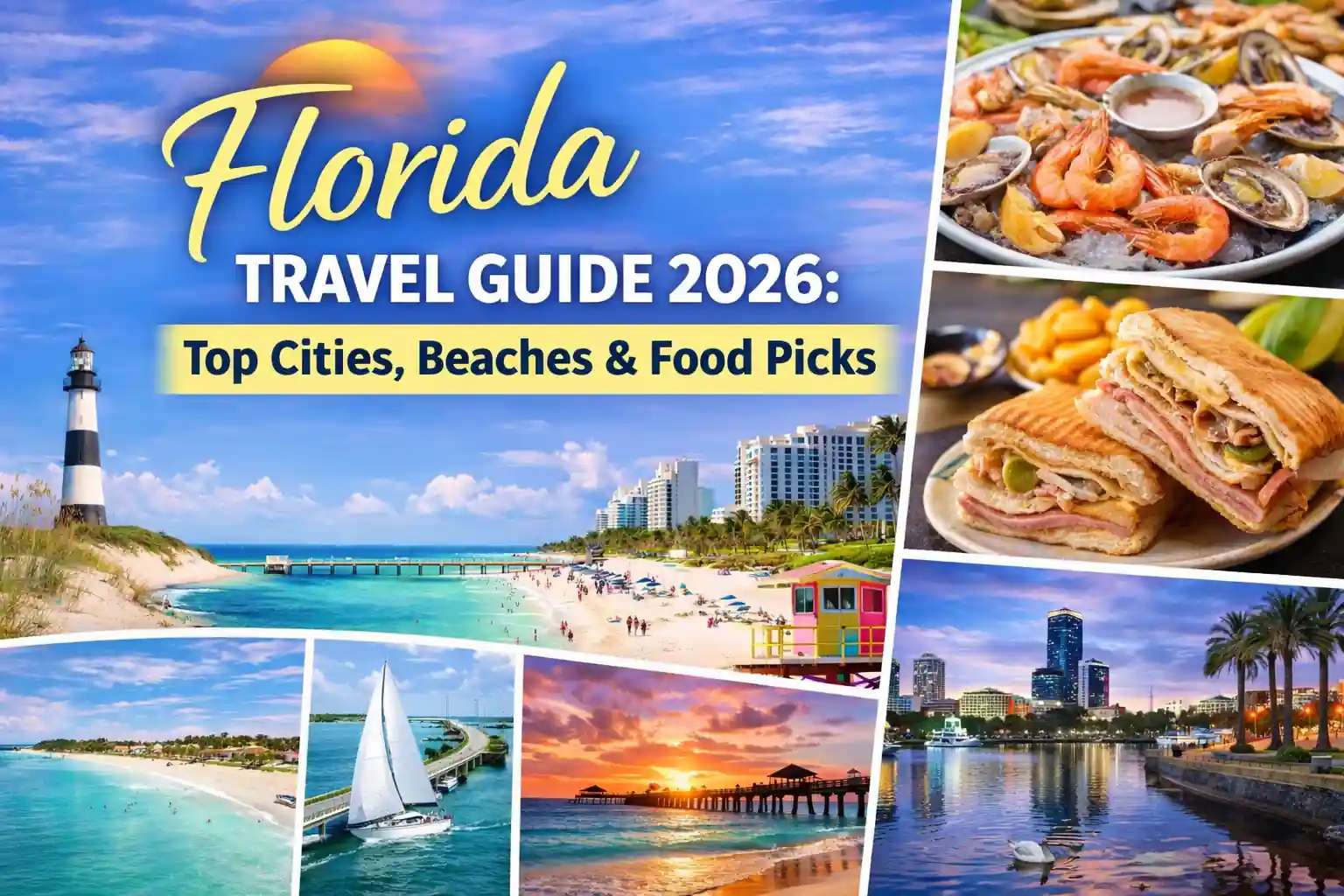
Florida has a way of pulling you back. I have crossed the state more times than I can count, from early-morning drives along the Overseas Highway to slow evenings in Gulf Coast towns where locals linger over seafood baskets and sunset colors. Even after years of travel across continents, Florida still surprises me with how different it feels from one region to the next. That range is why a current, experience-based Florida Travel Guide matters more than ever in 2026.
Travel patterns here have shifted. Crowds now move differently. Offseason travel has become more popular. Smaller cities like Fort Myers and Marco Island are seeing travelers who once focused only on Orlando or Miami. On my most recent trip through Southwest Florida, I noticed how much more emphasis local tourism boards place on sustainability, wildlife protection, and slower travel. Those changes affect where you stay, how you move around, and what experiences feel most rewarding.
This Florida Travel Guide is built from real time on the ground, not desk research. It blends repeat visits, conversations with hotel managers, boat captains, park rangers, and restaurant owners, plus lessons learned the hard way. It also reflects how travelers plan now. Some still prefer a printed travel guide or a Florida travel guide book mailed to their home. Others rely on a digital visitor guide, interactive maps, and seasonal planning tools. I use all of them, depending on the trip.
You will find practical planning advice, city-by-city insights, beach recommendations that go beyond rankings, and food spots I return to because they deliver every time. This Florida Travel Guide focuses on timing, local context, and details that help you travel smarter in 2026, whether it’s your first visit or your fifth.
How to Use This Florida Travel Guide?
I designed this Florida Travel Guide to work for different travel styles. Families planning theme park days. Seniors looking for relaxed coastal towns and free Florida travel guides by mail. Couples building a food-focused itinerary. Solo travelers moving between cities with ride-share services and public transportation. Florida supports all of it, if you plan with the right tools.
Start by choosing how you prefer to plan. A Florida travel guide book still works well if you like flipping pages and marking notes. I often keep one in the car when driving long stretches through Polk County or Southwest Florida. A Florida travel guide pdf or digital visitor guide is better for quick access, updates, and interactive maps. On recent trips, I used a mix, printed pages for road days and digital tools for cities.
If you like planning ahead, request a Florida travel guide by mail. The Official Florida Vacation Guide and the Official Florida State Transportation Map remain useful, especially for route planning and understanding tourism districts. Many travelers overlook this, but several counties still offer Florida travel guide by mail free options, including free travel guides by mail for seniors. I have picked up local brochures that pointed me toward events I would have missed otherwise.
Use this guide in layers. First, scan the regional sections to decide where to focus. Florida rewards slower travel. Second, match timing with purpose. A seasonal guide helps you avoid peak crowds, especially in Orlando and South Beach. Third, fine-tune logistics. Public transportation works in parts of Miami and Tampa, while ride-share services fill the gaps elsewhere. Water taxi routes in Fort Lauderdale can save time and add character to a day.
I also include Florida tourism statistics where they matter. Not to overwhelm you, but to explain why prices rise, why reservations matter, and why some destinations feel quieter than others. Travel research only helps if it leads to better decisions on the ground.
Treat this Florida Travel Guide as a working tool. Skip sections that do not fit your trip. Come back to others as plans change. Florida rewards flexibility, and the best experiences often happen when you leave room to adjust.
Best Time to Visit Florida in 2026
Timing shapes your entire Florida experience. I learned this early on after booking what looked like a perfect March trip, only to realize I had landed right in the middle of Spring Break traffic from Miami to Orlando. Since then, I plan Florida trips with seasons in mind, not just weather.
Peak season still runs from late December through April. Winter brings travelers from the United States, the United Kingdom, and Northern Ireland chasing warmth. The weather feels mild and predictable, especially along the Gulf beaches. It is also when prices climb fastest. Hotels fill early. Rental cars disappear quickly. If this is your window, booking three to four months ahead is no longer optional.
Offseason travel has quietly become my favorite way to see Florida. Late August through early October offers fewer crowds, better hotel rates, and more relaxed city energy. Yes, hurricane season exists, but in practice, most days remain calm and bright. Travel conditions can change, so I always recommend flexible bookings and travel insurance during this period. On recent September visits to Fort Myers and Sanibel Island, I had entire beach stretches nearly to myself.
Weather varies more than people expect. Orlando and central Florida run hotter and more humid in summer than coastal areas. The Florida Keys stay breezy year-round, while the Panhandle cools off faster in winter. Understanding these regional differences makes planning easier and helps avoid uncomfortable days.
Events also influence timing. Spring Training brings baseball fans to Tampa, Fort Myers, and surrounding cities. Fall brings festivals like ArtFest Fort Myers and Ghosts, Goblins & Goodies, which add character without overwhelming crowds. Seniors often benefit from traveling in shoulder seasons when attractions feel calmer and free Florida travel guides by mail highlight age-friendly itineraries.
The best time to visit Florida depends on your goals. Families often choose school breaks. Couples do better in shoulder seasons. Solo travelers gain flexibility almost year-round. This Florida Travel Guide focuses on matching timing with experience, not chasing perfect weather alone.
Top Cities to Visit in Florida
Florida cities feel like separate destinations stitched together by highways and coastline. Driving from Miami to Orlando, or from Tampa to Fort Lauderdale, feels less like crossing a state and more like entering a new country each time. That diversity is one reason I return so often.
Transportation shapes how these cities work. Miami and Fort Lauderdale support public transportation and water taxi routes. Orlando depends heavily on cars and ride-share services. Tampa and St. Petersburg sit somewhere in between. Knowing this upfront helps you choose neighborhoods, hotels, and daily plans that save time and energy.
In this section, I focus on cities I know well through repeat visits. I highlight what makes each place distinct, where travelers often misjudge distances or timing, and how to experience the local vibe beyond the obvious stops.
Orlando, Florida Travel Guide
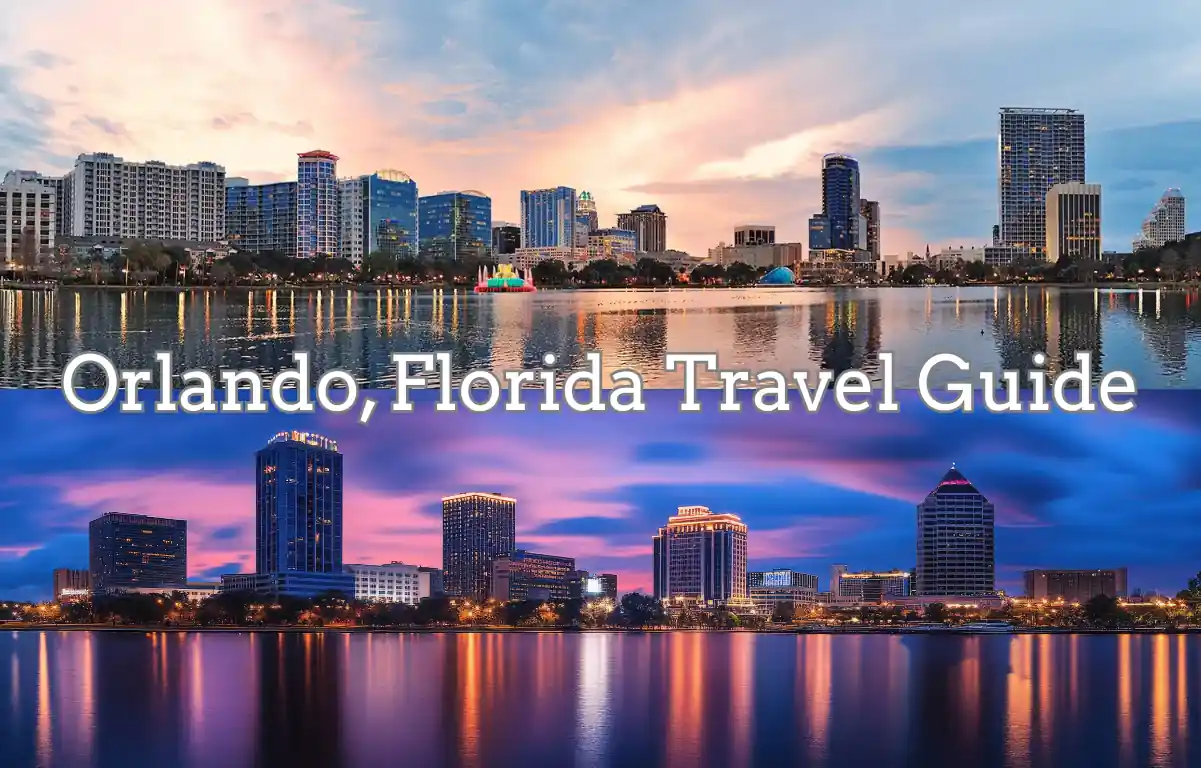
Orlando earned the title Theme Park Capital of the World for a reason. But after many stays here, I have learned that how you approach the city matters as much as what you visit. Travelers who try to do everything in three days usually leave exhausted. Those who pace it properly enjoy it far more.
Walt Disney World and Universal Orlando Resort dominate first-time itineraries. Disney feels like a city within a city, with its own transportation network and rhythms. Universal, especially around CityWalk, delivers energy well into the evening. My advice is simple. Choose one major park per day. Anything more turns magical experiences into long lines and sore feet.
Where you stay changes everything. Hilton Orlando Buena Vista Palace works well if you want proximity without staying inside Disney property. I have used it as a base when splitting time between parks and quieter evenings. Outside the tourist corridor, neighborhoods around Winter Park offer calmer mornings and better coffee stops.
Family adventure thrives here, but insider tips matter. Arrive early. Eat lunch outside peak hours. Use park apps aggressively. Most guidebooks miss this, but locals plan park visits around school calendars and weather patterns, not just ticket deals.
Orlando also rewards stepping away from theme parks. Smaller attractions, local dining, and seasonal events give you breathing room between big days. As part of a broader Florida Travel Guide, Orlando works best when paired with beach destinations or Gulf Coast cities, not as a standalone sprint.
Miami and Fort Lauderdale
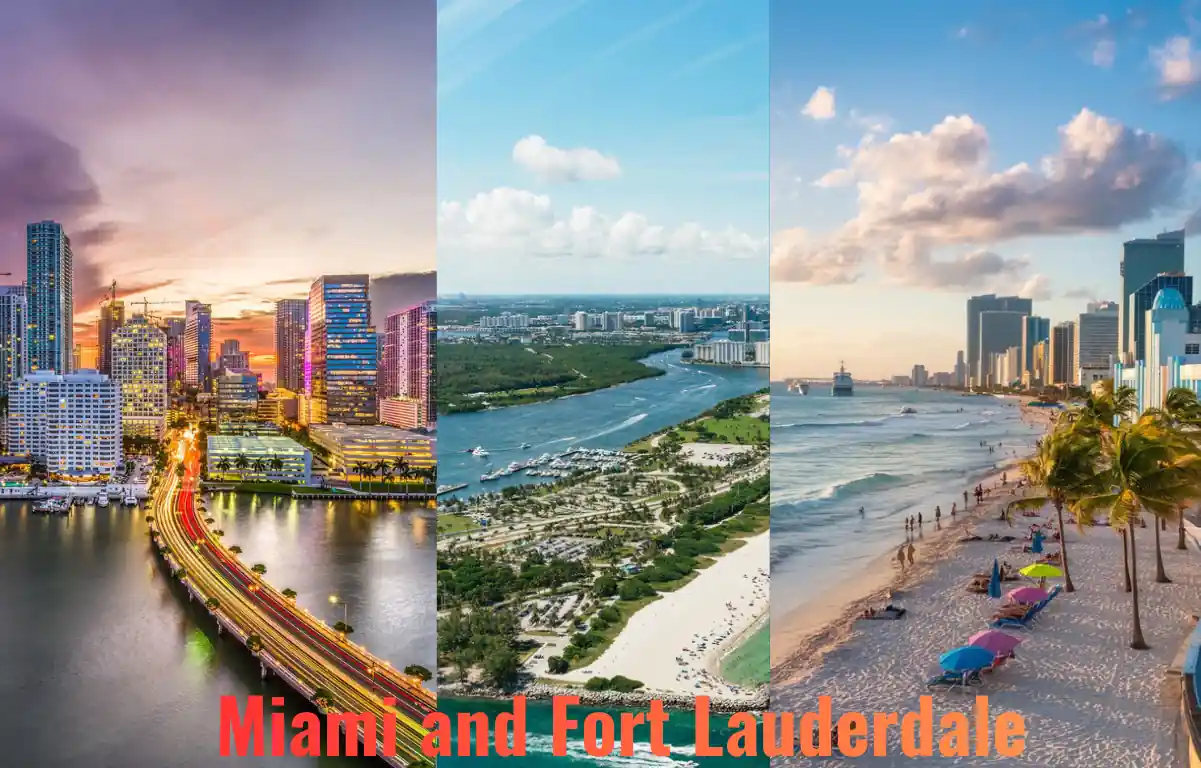
Miami took time for me to understand. On early visits, I stayed too close to South Beach and assumed the city ended there. It does not. Miami works best when you move through its neighborhoods slowly, noticing how Latin and Caribbean culture shapes daily life, not just nightlife.
South Beach still matters. The early mornings there, before the music and crowds, reveal a calmer side. I often walk Ocean Drive around sunrise, when locals jog past pastel Art Deco buildings and cafés begin setting out chairs. Wynwood feels completely different. Street art changes block by block, and galleries blend into warehouses. Food trucks here are not filler. Some deliver better meals than high-end spots along the beach.
Fort Lauderdale surprises travelers who expect a quieter Miami. Its canal system creates a rhythm built around water taxis rather than cars. I have used the water taxi repeatedly to move between Las Olas Boulevard, the beach, and residential neighborhoods. It saves time and gives context to how the city lives.
The food scene across both cities is strong and varied. Cuban bakeries, Haitian kitchens, and Caribbean seafood spots dominate local recommendations. Based on repeated visits, casual places consistently outperform flashy openings. Follow where locals eat during lunch hours. That rule has never failed me here.
Transportation requires planning. Public transportation works in limited zones. Ride-share services fill the gaps. If you rent a car, patience matters. Traffic patterns shift sharply by time of day. Once you accept that pace, the cities open up.
Tampa and St. Petersburg
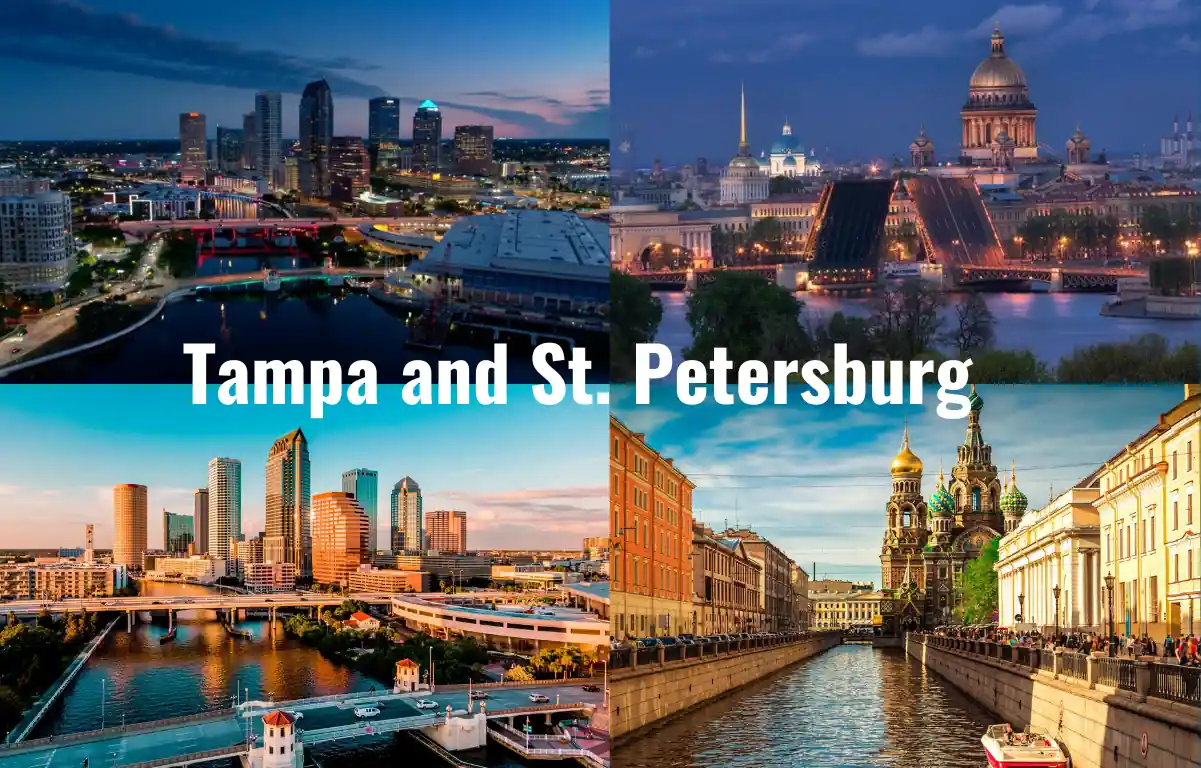
Tampa and St. Petersburg sit close on the map but feel distinct on the ground. Tampa leans practical and sports-driven. St. Petersburg leans creative and coastal. Together, they form one of the most balanced urban areas in Florida.
Busch Gardens anchors Tampa for thrill seekers, but the city rewards deeper exploration. Neighborhoods around Ybor City carry Cuban and Spanish history that still shapes local culture. Walking these streets after sunset, with live music spilling from open doors, offers a more grounded experience than most first-time itineraries include.
St. Petersburg stands out for its arts scene. Museums, waterfront parks, and rotating exhibitions give the city a cultural weight many travelers overlook. I usually time visits here with seasonal events or regional art shows, when the city feels most alive.
Spring Training changes the energy across the region. Hotels fill quickly. Restaurants adjust hours. Sports fans dominate certain districts. If baseball matters to you, plan early. If not, shoulder season visits feel calmer and more affordable.
Dining here favors consistency over hype. Live music venues double as casual restaurants. Boutique shops cluster near walkable streets. I have found that asking bartenders where they eat after shifts produces the best recommendations.
Jacksonville
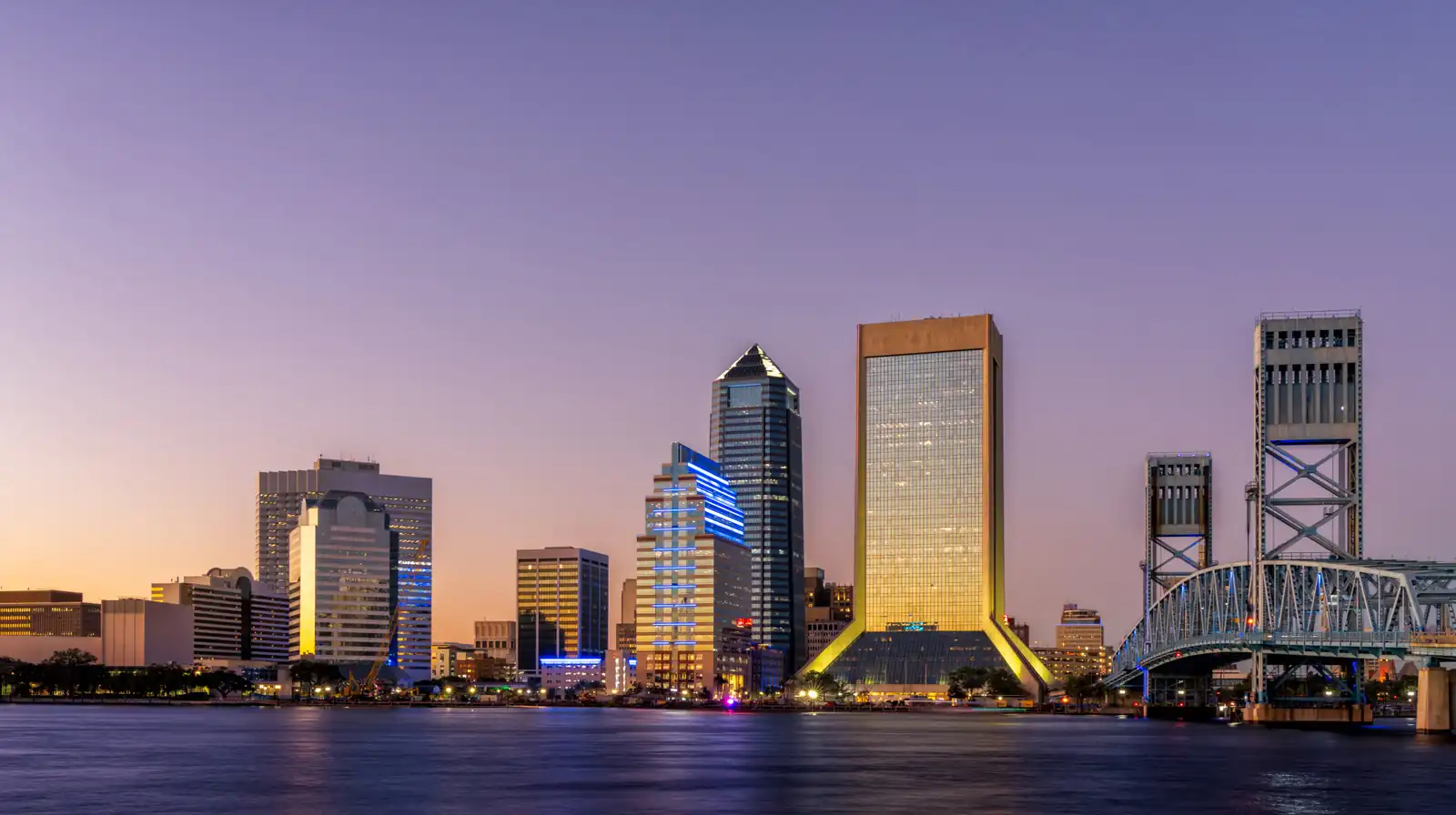
Jacksonville spreads wide. It is one of those cities where distances surprise first-time visitors. Once you accept that, it becomes easier to enjoy what it offers.
The beaches define the experience. Jacksonville Beach and Neptune Beach feel relaxed and local, especially in the mornings. Families gravitate toward parks and shoreline paths that rarely feel overcrowded. I have spent long afternoons here with nothing planned beyond walking, reading, and watching surfers.
Seafood dominates menus. Fresh catches appear daily, and simple preparations shine. Based on multiple visits, coastal restaurants outperform downtown options for consistency and value.
Jacksonville suits travelers who prefer space, quiet mornings, and slower pacing. It works well as a contrast to busier Florida cities, especially when paired with Gulf Coast or Southwest Florida destinations.
Southwest Florida and Gulf Coast Destinations
Southwest Florida is where I slow down every time. After years of moving through crowded capitals and fast cities, this stretch of the Sunshine State reminds me why pacing matters. Life here follows tides, weather, and wildlife patterns more than clocks. Travelers who rush through often miss what makes it special.
Fort Myers works best as a starting point. Downtown Fort Myers River District feels lived-in rather than staged. I usually park once and walk, moving between cafés, small galleries, and waterfront paths. Seasonal festivals like ArtFest Fort Myers add energy without overwhelming the area. In winter months, Spring Training brings baseball fans and a different rhythm to town. Prices rise slightly, but the atmosphere stays friendly.
Sanibel Island and Captiva Island demand patience, especially during peak season. The causeway traffic can test it, but once across, the pace changes immediately. Shelling here is not a tourist cliché. Locals genuinely plan mornings around tides, and after several visits, I finally understood why. Early walks reveal quiet beaches and incredible shell variety. These islands also handle conservation seriously, which shapes development and beach access.
Marco Island leans polished and resort-focused. Naples nearby offers a more refined dining and shopping scene. I have found that splitting time between them works well. Marco for calm beaches and sunsets, Naples for evenings out and cultural events.
Bonita Springs, Cape Coral, and Pine Island offer a different feel. These areas attract travelers who prefer space and residential neighborhoods. Pine Island, in particular, surprised me. Fewer crowds, slower roads, and a stronger connection to fishing communities. It feels authentic in a way many coastal towns no longer do.
Everglades City stands apart. This is where Florida feels wild. Jungle Erv’s Airboat Tours and Manatee Sightseeing and Wildlife Adventures operate with respect for the ecosystem, something I pay close attention to after seeing careless operators elsewhere. Seeing manatees in their natural environment, without crowds pushing too close, remains one of my favorite Florida experiences. Pure Florida tours also provide reliable wildlife encounters along the coast.
The Gulf beaches here differ from Atlantic beaches. Softer sand. Calmer water. Better sunset views. Botanical gardens and native plants appear everywhere, shaping a greener, quieter coastline. Southwest Florida rewards travelers who value nature, patience, and mornings that begin without alarms.
Florida Keys Travel Guide
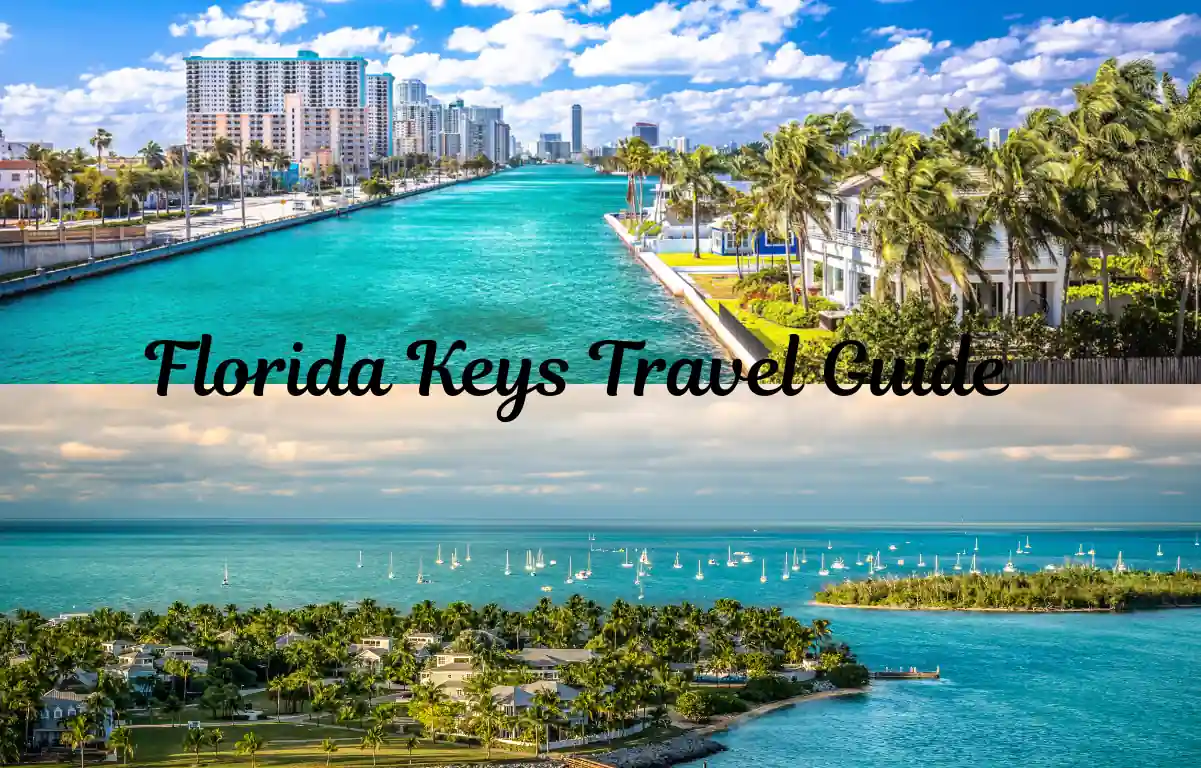
The Florida Keys never feel accidental. You choose them deliberately. The drive alone sets the tone. Each mile south strips away urgency. I have driven the Overseas Highway in silence more than once, windows down, letting the water and sky reset my thinking.
Key West anchors the Keys culturally. Duval Street carries a party reputation, but timing changes everything. Early evenings bring street performers, writers, and travelers lingering rather than rushing. Sunset celebrations here still feel genuine if you arrive without expectations. Stay a little longer and you begin to notice how layered the community really is.
Snorkeling and reef trips define daytime experiences. Coral reefs here are fragile, and responsible operators matter. Marine life sightings vary by season, but even quieter days deliver moments worth remembering. Your experience may vary based on weather, but flexibility pays off more than rigid planning.
Food in the Keys leans casual but purposeful. Seafood dominates, and freshness matters more than presentation. I return to the same spots because consistency wins here. Locals notice who respects the pace and who tries to impose one.
Planning helps in the Keys. Accommodation fills quickly during winter. Offseason travel offers better availability and calmer streets. Free travel guides by mail for Florida Keys still exist through regional tourism offices, and they highlight events many online lists miss.
The Keys work best when treated as a destination, not a detour. As part of a broader Florida Travel Guide, they balance urban intensity with coastal simplicity better than anywhere else in the state.
Best Beaches in Florida
Florida’s beaches are often lumped together, but after years of returning, I see them as entirely different personalities shaped by water, sand, and surrounding communities. The beach you choose should match how you want your days to feel.
Clearwater Beach
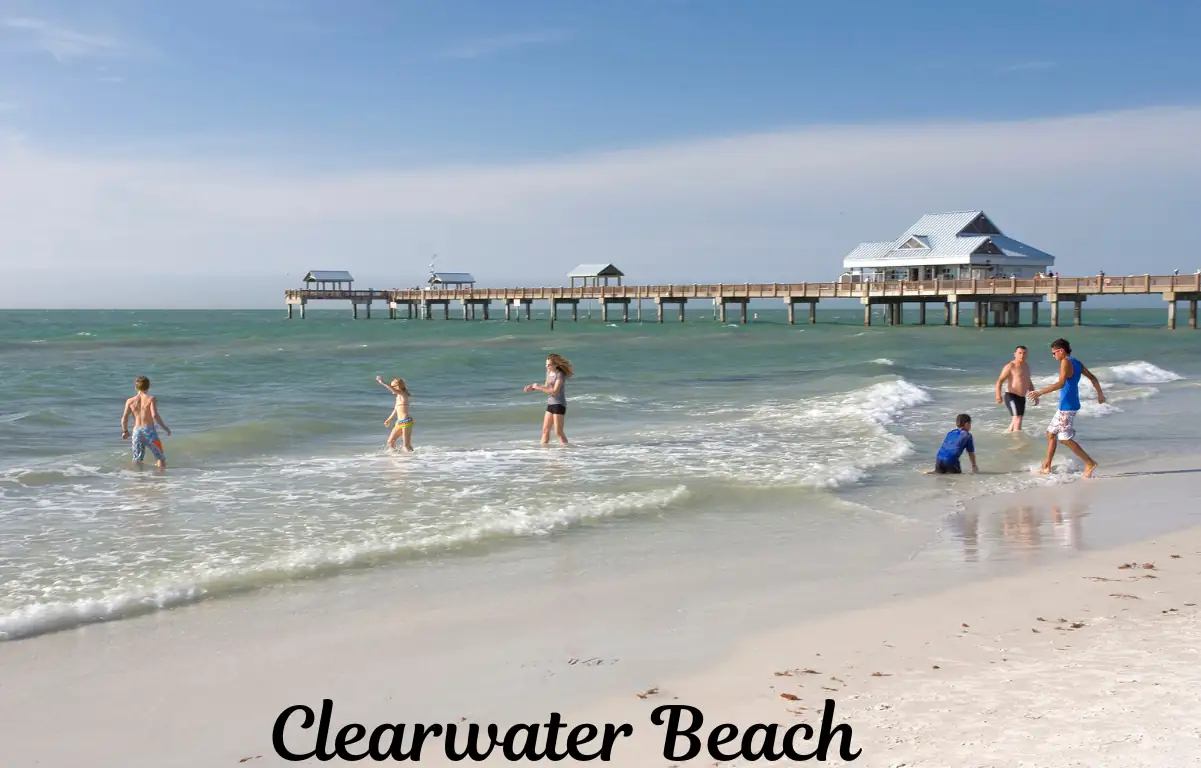
Clearwater Beach works because it balances access and atmosphere. The sand is consistently soft, the water stays calm, and the infrastructure actually helps rather than distracts.
I usually arrive early, before umbrellas line the shore, when locals walk dogs and coffee cups outnumber coolers. The nearby marina area offers boat tours that feel relaxed rather than rushed, and sunset here still pulls people together without turning chaotic.
Siesta Key
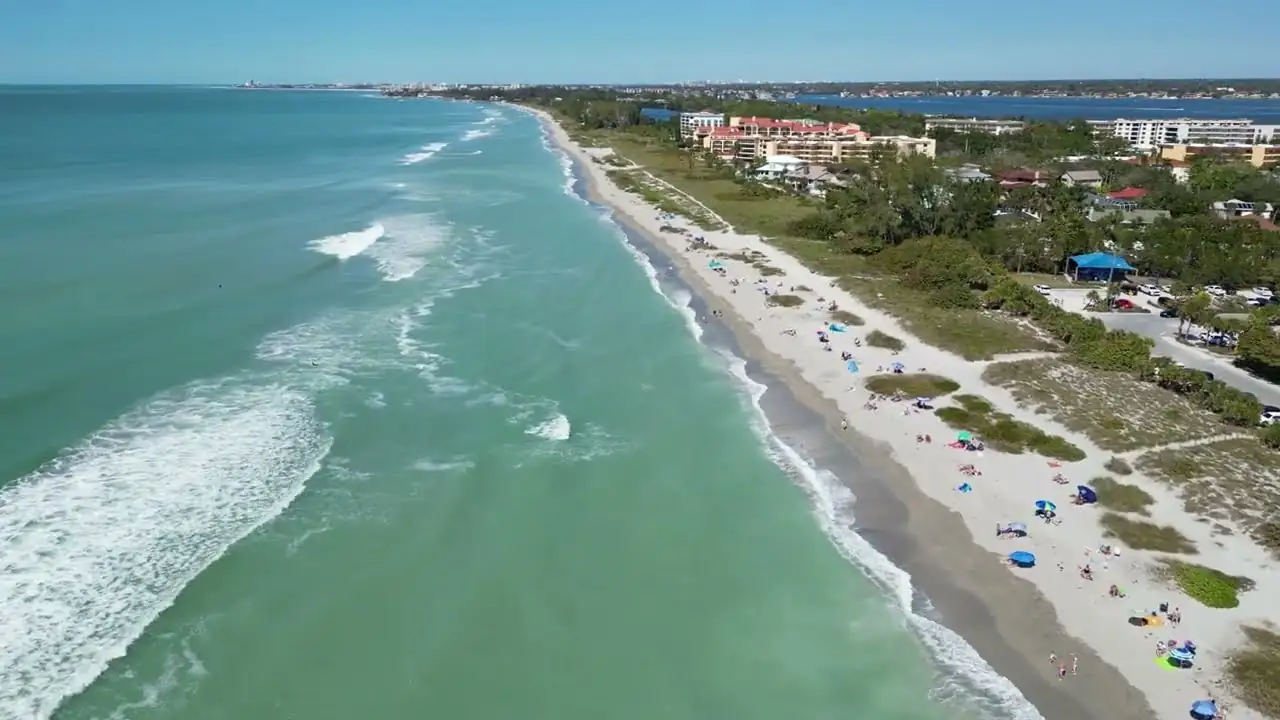
Siesta Key stands out for one reason that sounds simple but matters deeply once you feel it. The sand stays cool, even under direct sun. That changes how long you stay, how far you walk, and how comfortable the day feels.
Amenities are solid, and the surrounding area supports longer stays with casual dining and easy parking if you arrive early enough. I plan Siesta Key mornings, not afternoons.
South Beach
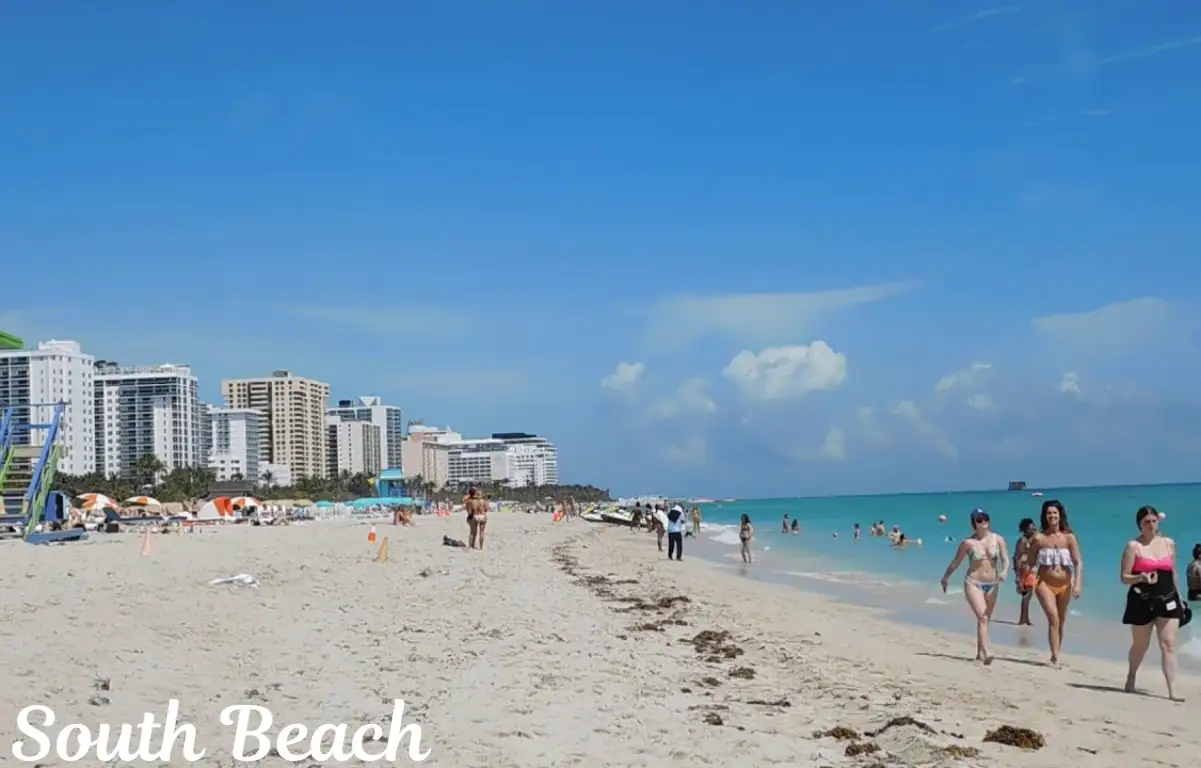
South Beach is about energy. It thrives on contrast. Early hours feel almost peaceful, with joggers and locals reclaiming space. By afternoon, the scene shifts. Architecture, music, and people-watching take over. Dining here ranges wildly. I skip tourist menus and look for places where staff eat between shifts.
Sanibel Island
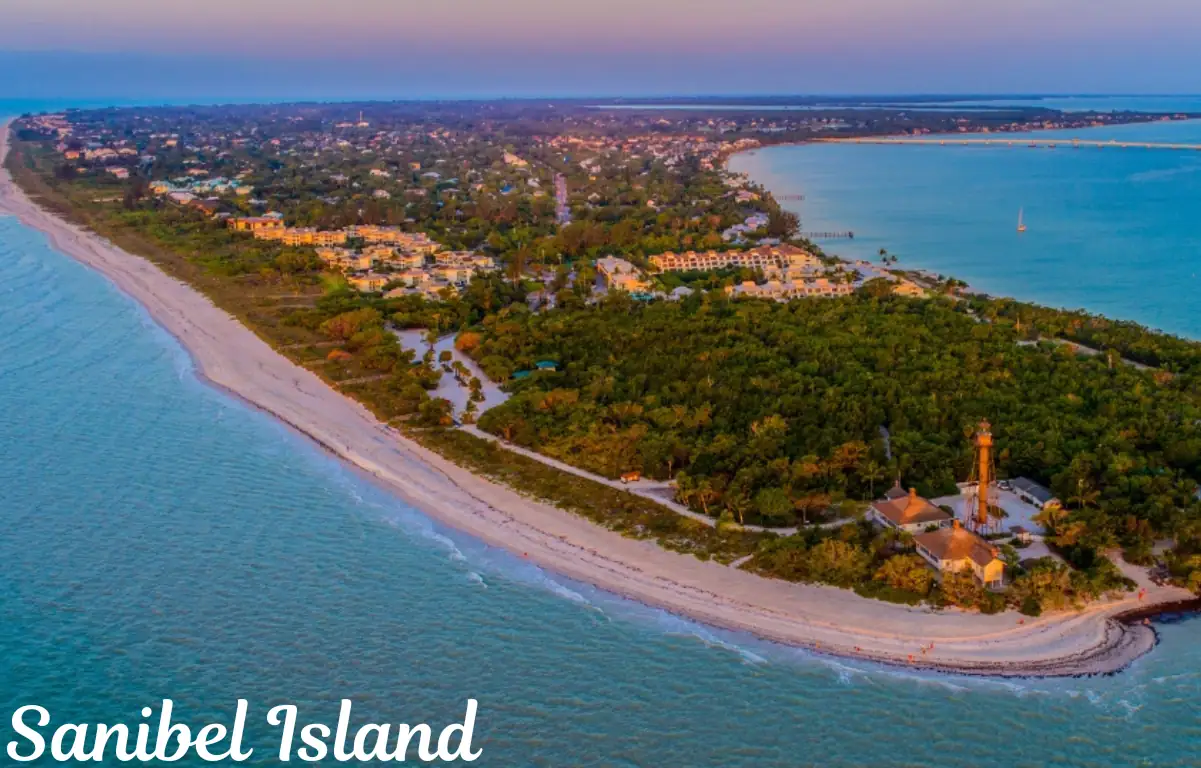
Sanibel Island and Captiva Island share a quieter charm. These beaches reward patience and timing. Shelling depends on tides, not luck. I learned this after three underwhelming visits before finally asking locals. Early mornings after calm nights produce the best results. Dining nearby focuses on seafood done simply, which fits the setting.
These beaches often appear in any top 10 places to visit in Florida, but context matters more than ranking. Choose based on pace, not popularity.
Florida Food and Dining Guide
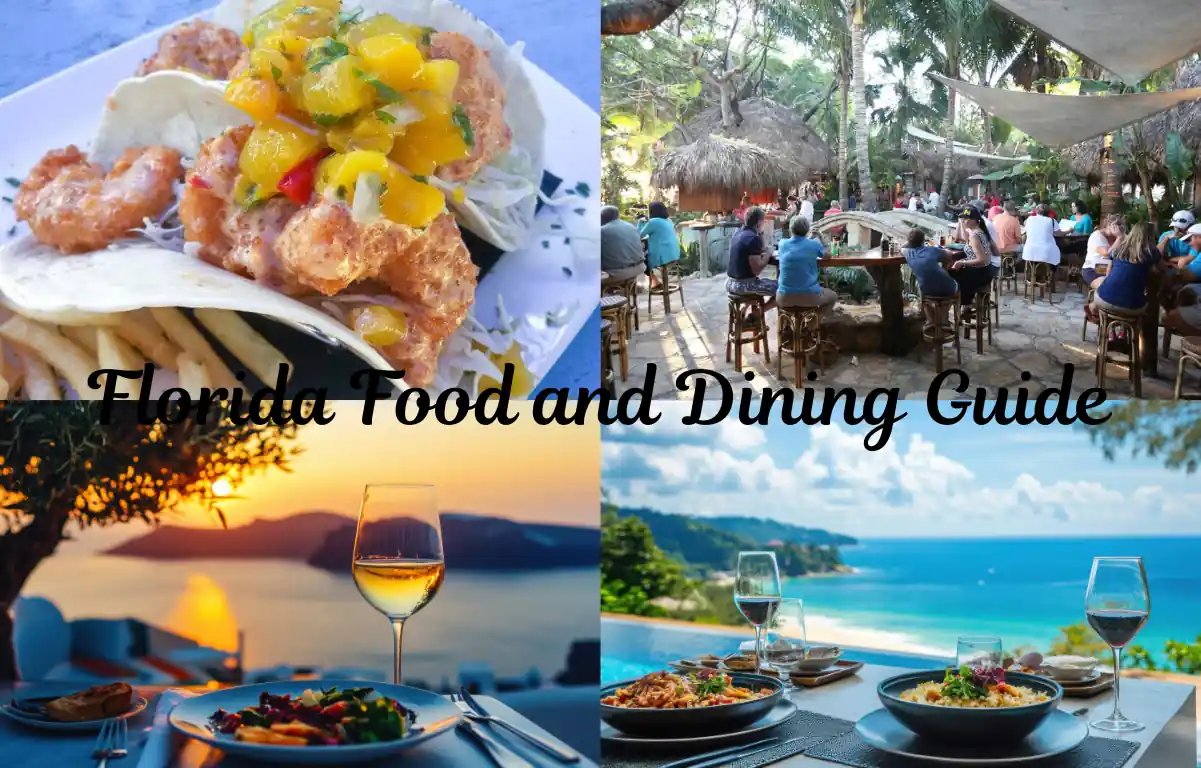
Florida’s food culture reflects movement. Migration, trade, weather, and water shape what appears on plates. Eating well here requires paying attention to place.
Seafood defines much of the state, especially along the Gulf. Stone crab season still feels like an event, not a marketing line. Fresh fish shows up grilled, blackened, or tucked into tacos without fuss. Based on repeated visits, restaurants close to docks usually outperform those chasing trends.
Cuban influence dominates parts of Miami and Tampa. Cafés serve strong coffee and pressed sandwiches that locals take seriously. Caribbean flavors follow closely, especially in South Florida, where Haitian and Jamaican kitchens shape everyday dining more than fine dining guides suggest.
Farm-to-table dining has grown quietly. I notice it most at Farmers Market stalls and small restaurants sourcing locally rather than advertising it loudly. Fresh citrus appears everywhere. Orange juice tastes different when it hasn’t traveled far.
Parrot Key Caribbean Grill stands out for consistency rather than novelty. Places like this survive because they deliver familiar flavors done well, visit after visit. That matters more than hype.
Food festivals reveal patterns. Some are worth building trips around. Others feel crowded without depth. I attend selectively, focusing on regional events tied to seasonal harvests or cultural celebrations.
Florida food works best when you follow locals, eat earlier, and resist over planning. Meals here are part of the rhythm, not interruptions to it.
Events, Festivals, and Cultural Happenings in Florida (2026)
Florida’s event calendar tells you more about the state than most guidebooks. I often plan trips around festivals because they reveal local priorities, food culture, and community rhythms.
- ArtFest Fort Myers
This waterfront festival transforms the Downtown Fort Myers River District every year. I have attended it more than once, and the strength lies in its balance. National artists mix with regional talent, and the crowd feels genuinely interested, not rushed. Arrive early in the day for quieter browsing. By afternoon, live music and food vendors bring energy without tipping into chaos. - Caloosahatchee Celtic Festival
Held along the river, this event feels unexpected in Florida, which is exactly why it works. Music, dance, and heritage displays attract both locals and travelers. I learned quickly that shaded seating fills fast. Bring water, pace yourself, and stay for evening performances when temperatures drop. - Ghosts, Goblins & Goodies
This seasonal event leans family-friendly but still feels rooted in local tradition. I first stumbled into it while passing through Southwest Florida in October. Streets fill with costumes, themed food, and small performances. It works best as a short evening stop rather than an all-day plan. - Hurricane Expo
This event matters more than it sounds. I recommend it to travelers visiting during hurricane season. You learn how locals prepare, what supplies actually matter, and how evacuation planning works. It adds practical understanding that no weather app provides. - Spring Training
Baseball reshapes Florida cities every spring. Fort Myers, Tampa, and surrounding towns fill with fans. I enjoy the atmosphere but plan carefully. Hotel prices rise, traffic patterns change, and restaurants adjust hours. If baseball matters to you, it’s worth the effort. If not, consider visiting before or after the season. - Regional Art Shows and Cultural Markets
Smaller art shows and weekend markets often deliver better experiences than headline festivals. I’ve discovered local crafts, food vendors, and musicians by following community boards and visitor centers rather than social media alone.
Practical Travel Tips for Florida
Florida travel rewards preparation, but only if it stays flexible. These are lessons shaped by repeat visits and small mistakes.
- Transportation and Driving
Florida looks compact on maps, but distances stretch quickly. Outside major cities, a car remains essential. Ride-share services work well in Miami, Orlando, and Tampa, but coverage drops fast in coastal and rural areas. Public transportation exists, but timing matters more than routes. - Weather Awareness
Heat surprises first-time visitors more than rain. Hydration matters year-round. Afternoon storms in summer pass quickly, but they disrupt outdoor plans. I schedule indoor activities after 2 p.m. during warmer months and return outside later. - Safety and Wildlife
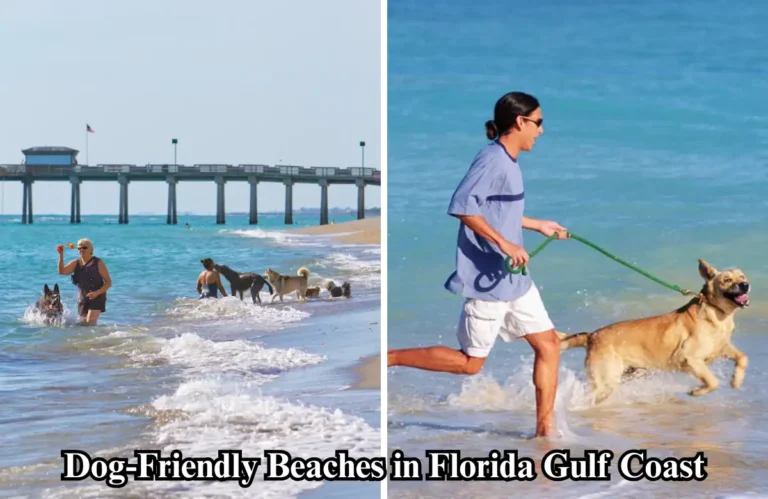
Florida wildlife is not background scenery. Alligators, manatees, and marine life deserve space. I have seen avoidable accidents caused by people ignoring posted signs. Respect distance and follow local guidance. - Pet-Friendly Travel
Florida supports pet-friendly hotels better than many states, but policies vary by city. Beach access for pets changes by season and time of day. Always confirm before assuming access. - Budget Planning
Prices vary sharply by season. Offseason Travel offers better hotel rates and dining flexibility. Florida travel guide coupon book options still exist, especially in tourist centers. They help with attractions and dining, but rarely with accommodations. - Printed vs Digital Planning
I still use a printed travel guide for long drives and rural areas. Digital visitor guides work best in cities. Combining both prevents small frustrations that add up over a trip.
Florida Travel Planning Resources
Approx. 350 words
Planning Florida well means knowing which resources actually help and which create noise. These are the tools I still use after years of repeat visits.
- Official Florida Vacation Guide
This remains one of the most reliable planning tools. It provides regional breakdowns, seasonal highlights, and practical maps. I often request it as a Florida travel guide by mail before longer road trips. - Official Florida State Transportation Map
This map helps more than GPS in rural areas and long coastal drives. It gives context to distances, toll roads, and alternate routes that apps sometimes ignore. - Free Florida Travel Guides by Mail
Many counties still offer free travel guides by mail, including free Florida travel guides by mail for seniors. These guides highlight smaller events, scenic routes, and local attractions that rarely appear online. - Florida Travel Guide PDF and Digital Visitor Guides
Digital visitor guides work best for cities. Interactive maps, updated event calendars, and real-time planning tools save time once you arrive. I rely on them heavily in Miami and Orlando. - Florida Travel Guide Magazine and Instagram Sources
Magazines help with inspiration, not logistics. Instagram works best for visual scouting, not planning. I treat both as idea sources, then verify details through official channels. - International Travel Planning
Travelers from the United Kingdom and Northern Ireland benefit from pre-booking transportation and accommodations earlier than domestic travelers. Jet lag, distance, and driving rules add layers worth planning in advance. - Best in Travel and Lonely Planet
These offer strong overviews, but I use them as secondary references. Local visitor centers still provide the most current, location-specific guidance.
Final Thoughts
Florida rewards curiosity and patience. After traveling through dozens of countries, I still find myself returning here because the state never settles into one identity. One trip might revolve around Gulf beaches and quiet mornings. Another centers on cities, food, and cultural events. That range is Florida’s strength.
The mistake I see most often is treating Florida as a checklist. Theme parks, beaches, and cities blur together when rushed. Slowing down reveals differences that make trips memorable. Southwest Florida feels nothing like Miami. The Florida Keys demand a different mindset than Orlando. Timing, region, and travel style shape everything.
This Florida Travel Guide exists to help you travel with intention in 2026. Use it to plan smarter, avoid common mistakes, and choose experiences that fit how you want your days to feel. Florida remains one of the best places to visit because it allows you to design your trip, not follow one template.
Frequently Asked Questions
1. What is the best overall time to visit Florida?
Late September and early October offer fewer crowds and better prices. I have consistently found calmer beaches and more availability during this window.
2. Is Florida still worth visiting outside theme parks?
Absolutely. Gulf Coast towns, the Florida Keys, and smaller cities offer deeper experiences than many travelers expect.
3. Are free Florida travel guides by mail still available?
Yes. Several counties and tourism boards still offer them, especially for seniors and long-stay travelers.
4. How many days do you need to see Florida properly?
At least 10 to 14 days if you want variety. Shorter trips work best when focused on one region.
5. Is renting a car necessary in Florida?
In most cases, yes. Cities offer ride-share services, but beaches and coastal towns require flexibility.
6. Which Florida beaches are best for relaxed travel?
Sanibel Island, Captiva Island, and parts of the Gulf Coast consistently deliver quieter beach experiences.
7. Is Florida safe for solo travelers?
Based on my experience, yes. Awareness matters more than location. Follow local advice and respect conditions.
8. What is the biggest mistake first-time visitors make?
Trying to see too much too fast. Florida rewards slower travel.
9. Are Florida food festivals worth planning around?
Some are. Regional festivals tied to local culture offer better experiences than large tourist-driven events.
10. What makes this Florida Travel Guide different?
It comes from years on the ground, not secondhand summaries. Every recommendation reflects real experience.