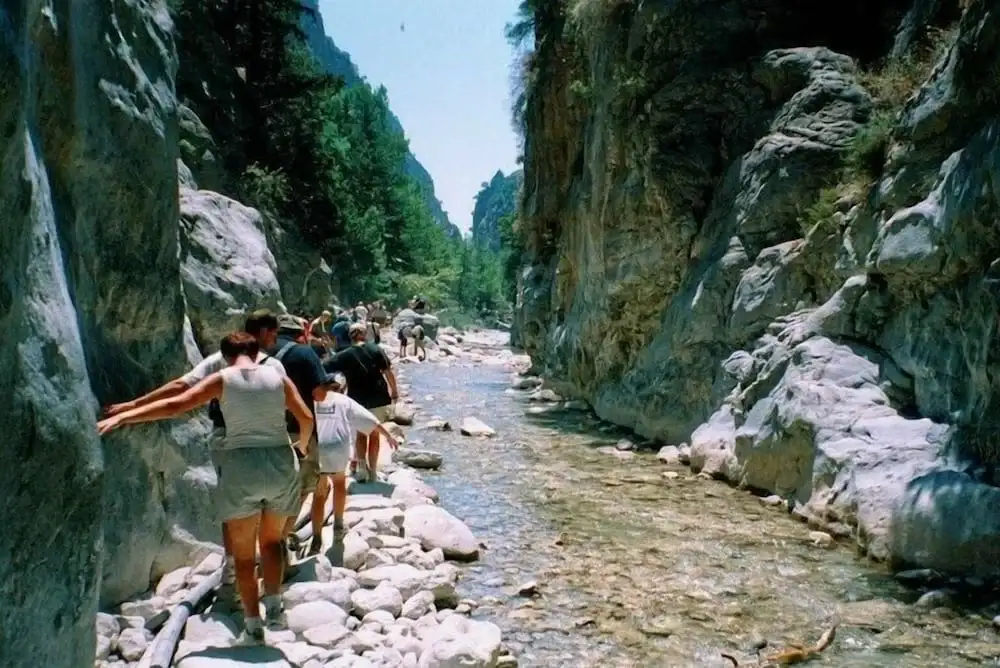
Hiking the Samaria Gorge is one of those journeys that stays with you long after you step back into the sunlight. I’ve walked trails across five continents, but few places blend raw geology, living history, and local spirit the way this 16-kilometer route inside Samaria Gorge National Park does.
You feel the scale right away. The White Mountains rise above you. The scent of cypress drifts through the air. The gorge walls tighten, then open again as you move from one ancient layer of rock to the next.
Travelers often underestimate the terrain. The descent from Xyloskalo can test your knees. Midday heat can drain even active hikers. Yet the reward is real. The walk ends at the Libyan Sea, one of the bluest stretches of water I’ve ever seen in Greece.
This guide covers the 17 things you must know before hiking the Samaria Gorge, so your experience feels safer, smoother, and more meaningful. And yes, we’ll cover everything you need for hiking the Samaria Gorge with confidence.
Quick Facts: Distance, Duration, Difficulty, Opening Months
Here’s a quick overview to help you plan smart.
• Distance: 16 km point to point, from Xyloskalo to Agia Roumeli.
• Duration: Most hikers need 4.5 to 6.5 hours.
• Difficulty: Moderate to hard, mainly due to the long downhill.
• Opening Season: Usually May 1 to October 31, depending on weather.
• Park Status: Part of a UNESCO Biosphere Reserve within the White Mountains.
• Fees: Entrance ticket required.
• Exit Requirement: You must take the Anendyk ferry from Agia Roumeli.
• Transport: Buses through KTEL bus station, taxis, self-drive, or guided tours.
This quick snapshot gives you the essentials, but the deeper details in the next sections will help you prepare like an experienced hiker.
The Samaria Gorge “Trail Readiness Check”
A lot of visitors ask, “Am I fit enough for this hike?” After walking this trail several times and spending years on routes across Lefka Ori, Gigilos Summit, and the rocky paths near Kallergi Refuge, I’ve learned the real issue isn’t distance. It’s endurance, knees, and heat management.
Use this simple readiness check before you go.
• Can you walk 10 km comfortably? If not, the 16 km descent will feel long.
• Do steep descents bother your knees? The drop at Xyloskalo is sharp and uneven.
• Can you stay hydrated in heat? Even in spring, the sun reflects off the gorge’s walls.
• Do you have proper footwear? Hiking boots or hiking shoes with grip are essential.
• Are you used to rocky trails? The terrain shifts often. Loose stones are common.
If any of these points feel like a stretch, consider training for a few days beforehand or choosing a shorter option like Agia Irini Gorge. This check isn’t meant to discourage you. It’s here to help you enjoy the day without surprises and hike the Samaria Gorge with confidence.
Check Real-Time Trail Conditions Before You Go
Samaria Gorge is impressive, but it’s also sensitive to weather. Heavy rain, strong winds, or fire risks can shut the trail with very little notice. I’ve seen travelers arrive at Xyloskalo only to learn the National Park had closed the gate an hour earlier due to falling rocks. It happens more often than visitors expect.
Always check the latest conditions before you leave your hotel. The Samaria National Park authority publishes updates each morning. The Anendyk ferry website also posts changes when the sea is rough. If you’re using the KTEL bus, look for alerts on schedule changes, especially early in the season.
If the gorge closes, don’t force it. Locals often recommend the Imbros Gorge or Agia Irini Gorge as safer alternatives for that day. They’re scenic, easier, and rarely affected by weather in the same way.
Good preparation prevents disappointment, and this quick check matters more than most people realize.
How Difficult Is Hiking the Samaria Gorge
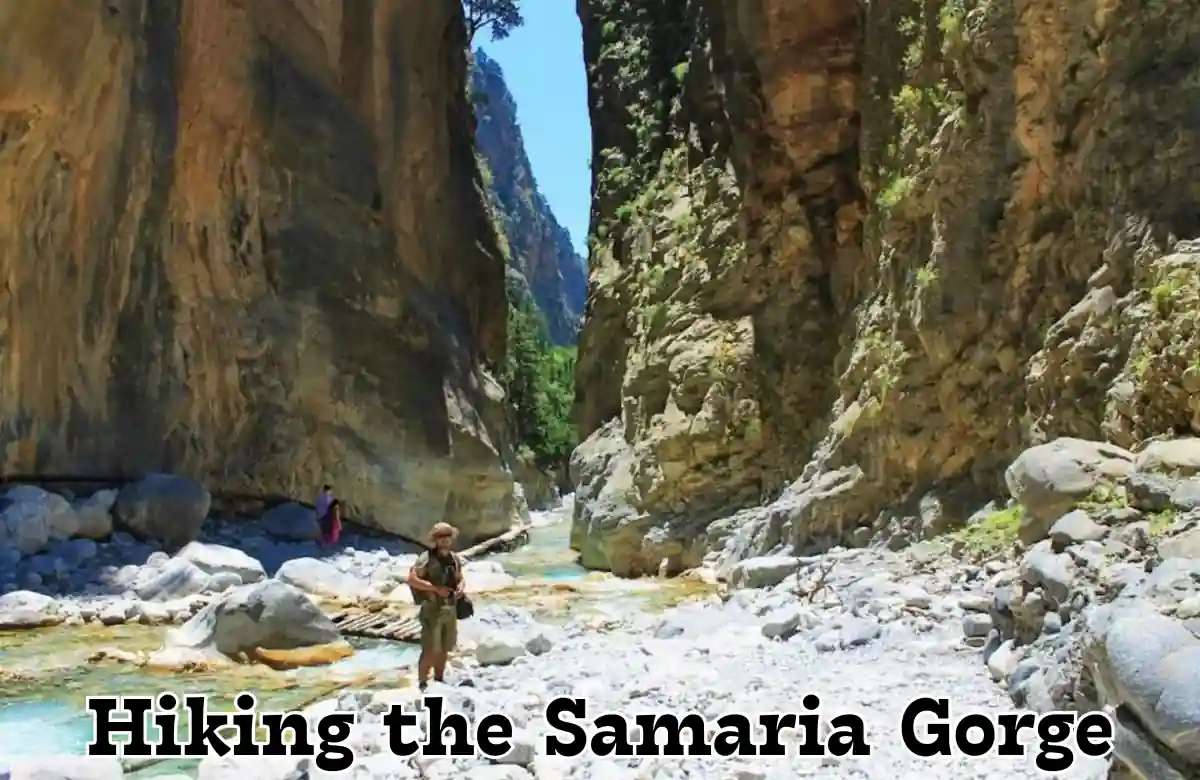
Most people worry about distance, but the real challenge is the terrain. The first hour from Xyloskalo is steep. The descent hits your knees fast, especially if you’re not used to rocky trails. I’ve carried trekking poles on every visit, and they’ve saved me more times than I can count.
Expect uneven stones, loose gravel, and stretches that force you to slow down. The middle section is easier, but long. The final approach to Agia Roumeli feels endless if the sun is strong. Shade is limited in the last few kilometers, and the Mediterranean Sun here can be intense.
If you’ve hiked places like Tara Gorge or Verdon Gorge, you’ll notice similarities in narrow paths and dramatic rock walls. Compared to Agia Irini Gorge, Samaria is tougher and longer.
The good news is that thousands of travelers finish the hike every season. You don’t need to be an athlete. You just need proper shoes, a steady pace, and respect for the terrain. The gorge rewards anyone who hikes mindfully.
When to Visit: Month-by-Month Breakdown
Your experience changes a lot depending on the month. Early May feels fresh and cool. Snow still melts from the White Mountains, and the trail is lined with new growth. You’ll see oleander flowers and sometimes wild delphiniums near the water. Crowds are light.
June brings warmer days and more hikers. Water stations still flow strongly, and photography is excellent inside the Gates of Samaria because the light falls gently into the narrow sections.
July and August are the hardest months. Heat builds fast, and the gorge’s walls trap it. Even seasoned hikers slow down here. Ferries run frequently, but the midday rush at Agia Roumeli can feel busy. If you’re sensitive to heat, avoid these months.
September is my favorite time. The light softens. Temperatures drop. The sea at Agia Roumeli stays warm. October is quieter still, though weather becomes unpredictable near the closing date.
Timing matters. Pick the right month, and hiking the Samaria Gorge feels balanced instead of exhausting.
Getting to the Trailhead: Omalos Plateau to Xyloskalo
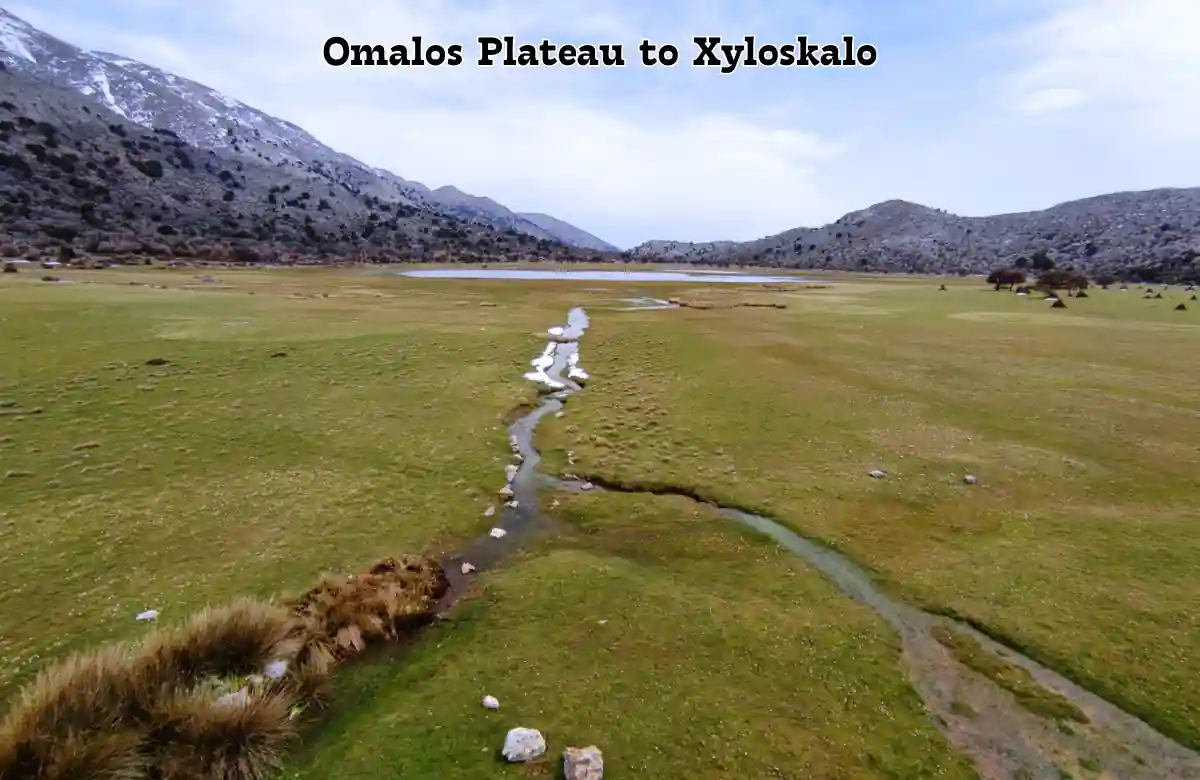
Reaching the start of the hike is straightforward once you understand the options. Most travelers begin at Xyloskalo, a viewpoint on the Omalos plateau where the entrance to Samaria Gorge National Park sits. The air feels cooler up here, and the views stretch across the White Mountains of Crete.
If you’re coming from Chania, the easiest route is the KTEL bus. It leaves early, and the ride takes you through winding mountain roads. I’ve used this bus multiple times when I didn’t feel like driving. It’s reliable, cheap, and part of the island’s wider public transportation system.
Self-driving gives you more control. Companies like Discover Cars or local agencies in Chania offer rentals. The road to Omalos is narrow in places, but the drive allows you to start at your own pace. Just remember you won’t return to the same place after finishing the hike, so plan your pickup or use a tour operator for transfers.
Guided tours offer door-to-door convenience. Some include breakfast stops and skip-the-line entrance coordination. If you want a simple, no-stress experience, organized tours are often worth it.
No matter how you arrive, start early. The descent from Xyloskalo feels much easier before the midday heat settles in.
The Trail, Broken Down Into Sections (What Actually Happens)
Understanding the trail layout helps you pace yourself. Here’s what the day looks like, section by section.
A. Xyloskalo Steep Descent
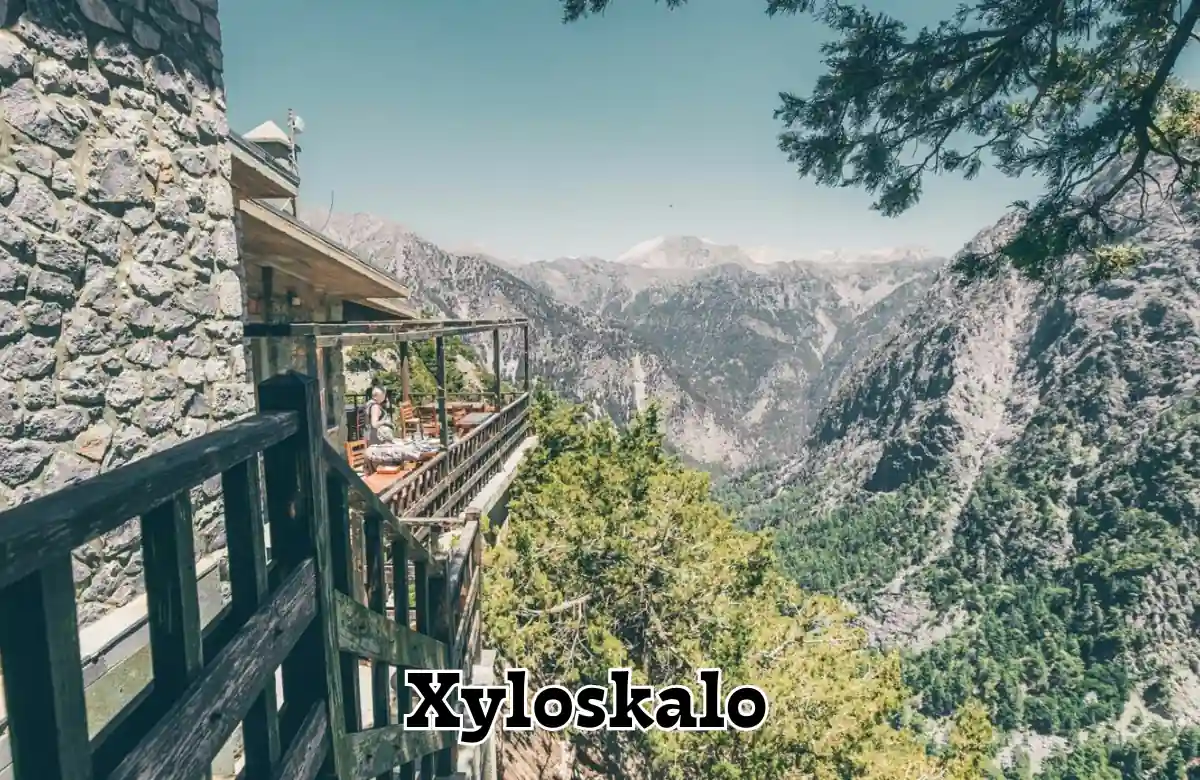
The first section drops fast. The path is rocky, and switchbacks feel constant. Your trekking poles matter here. The views of Lefka Ori peak through the trees, making the descent worth the effort. Expect this part to take around one hour.
B. Forest Walk Under Cypress and Calabrian Pine
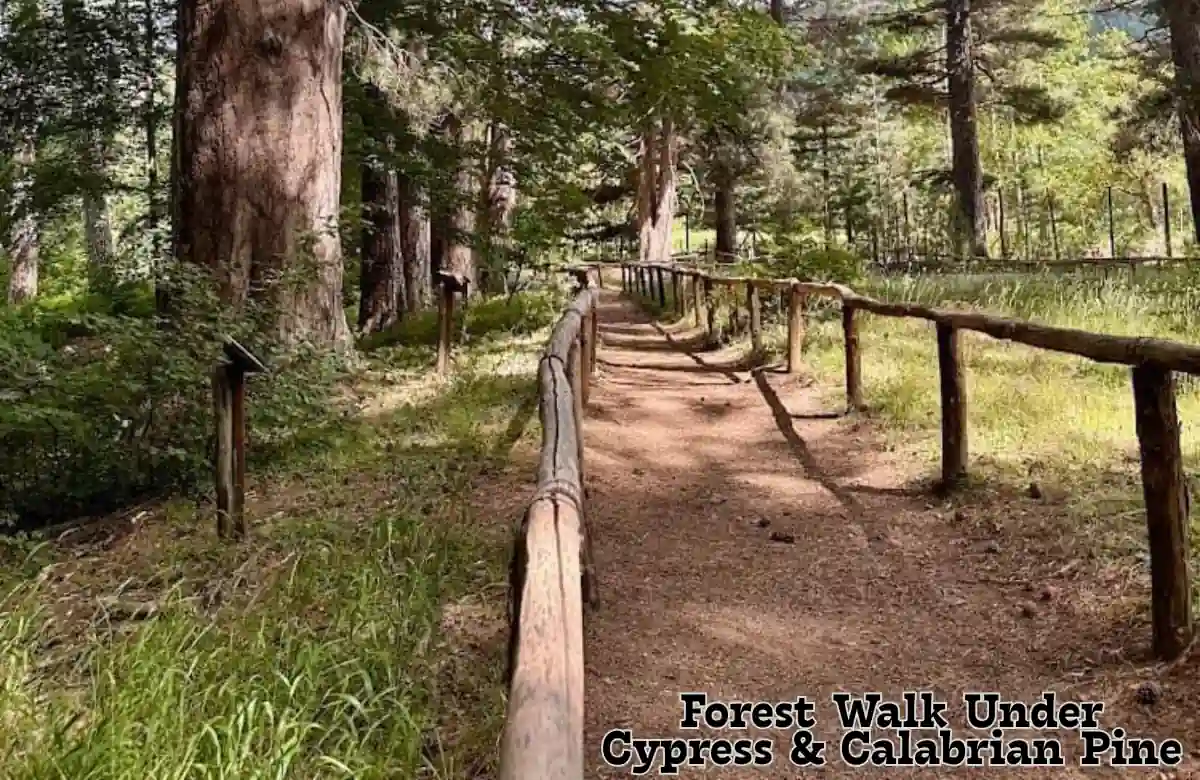
Once the trail levels out, the air cools. You walk through old cypress trees and pockets of Calabrian pine. This is one of my favorite segments because the sounds shift, and the forest dampens everything. Water flows near the path, and refill points are common.
C. Village of Samaria Ruins
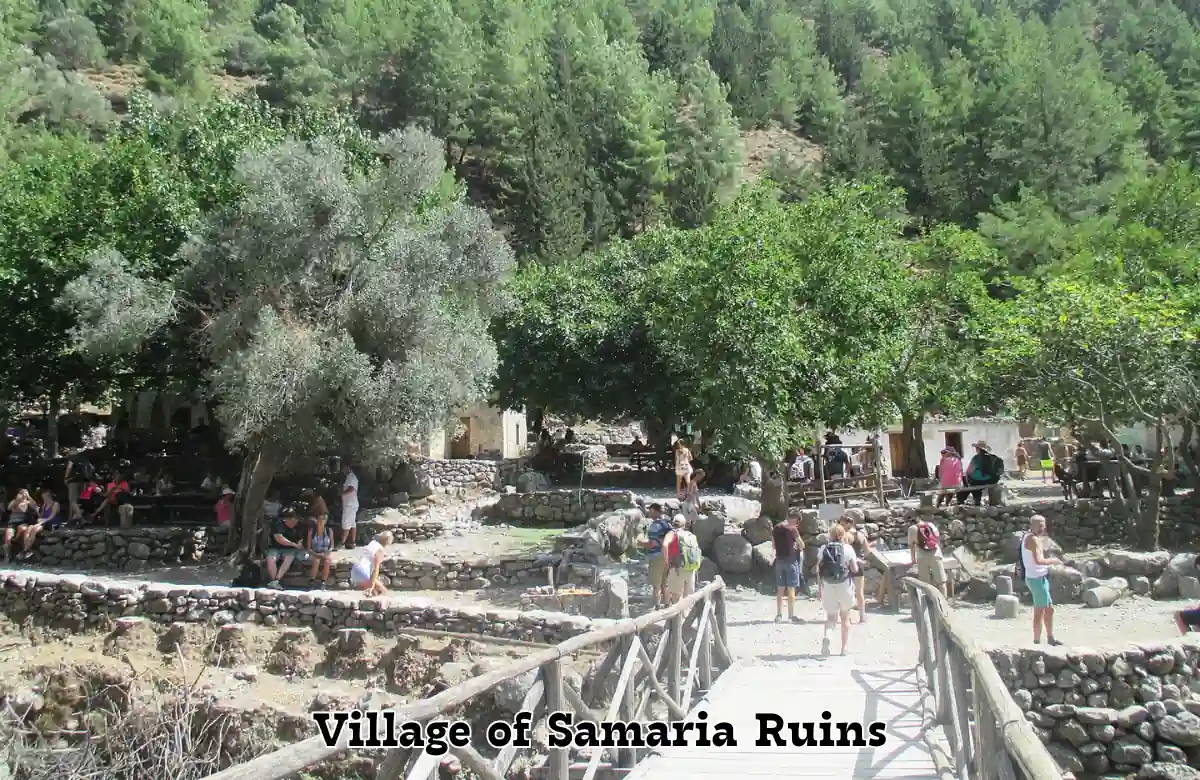
Midway through, you reach the old village of Samaria. Shepherds lived here until the 1960s when the area became protected as a UNESCO Biosphere Reserve. The stone houses and small church make a natural rest spot. Rangers often watch this section.
D. Narrow Canyon Floor
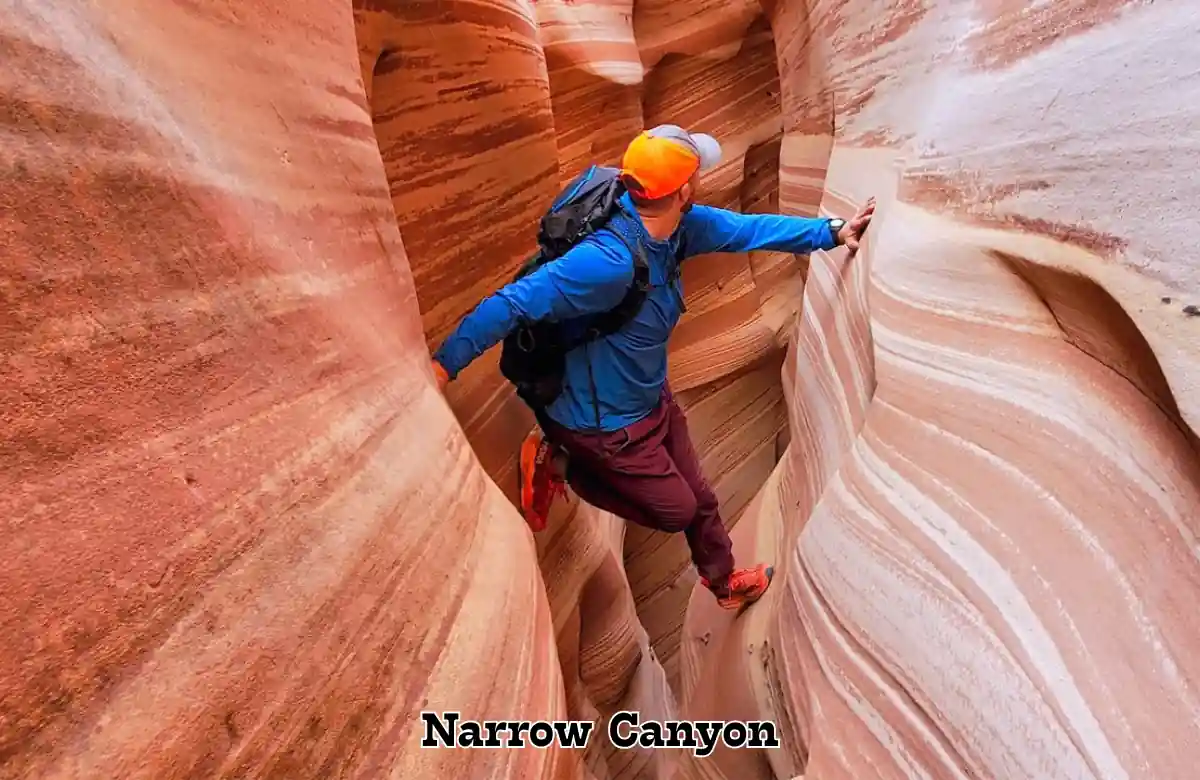
Here the gorge tightens. Rocks vary from smooth slabs to loose stones. Keep a steady pace. The geology alone makes this section memorable.
E. Gates of Samaria / Iron Gates
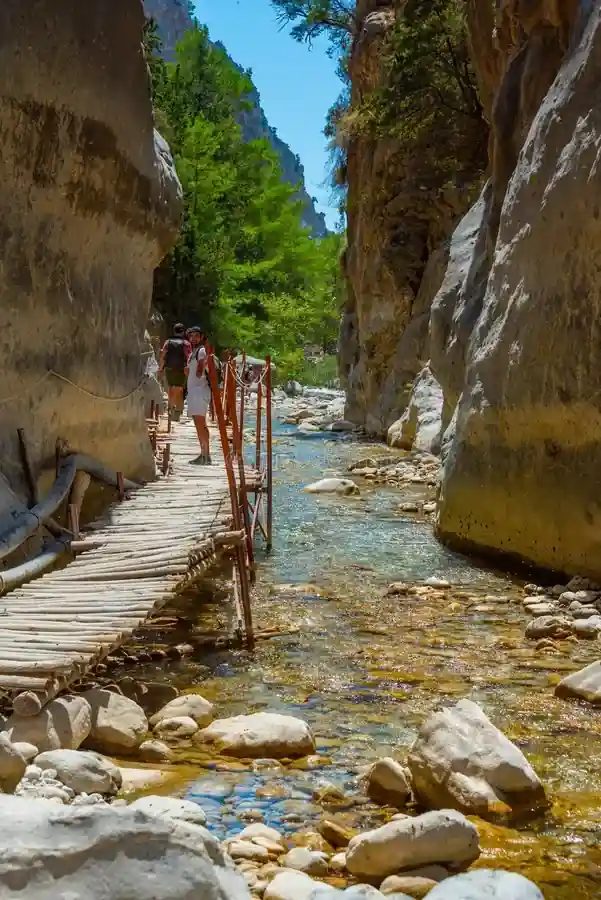
This is the postcard moment. The gorge narrows to only a few meters wide, with walls rising high above you. Light shifts constantly, creating dramatic shadows. Many hikers stop for photos, but move carefully because space is tight.
F. Final Stretch to Agia Roumeli
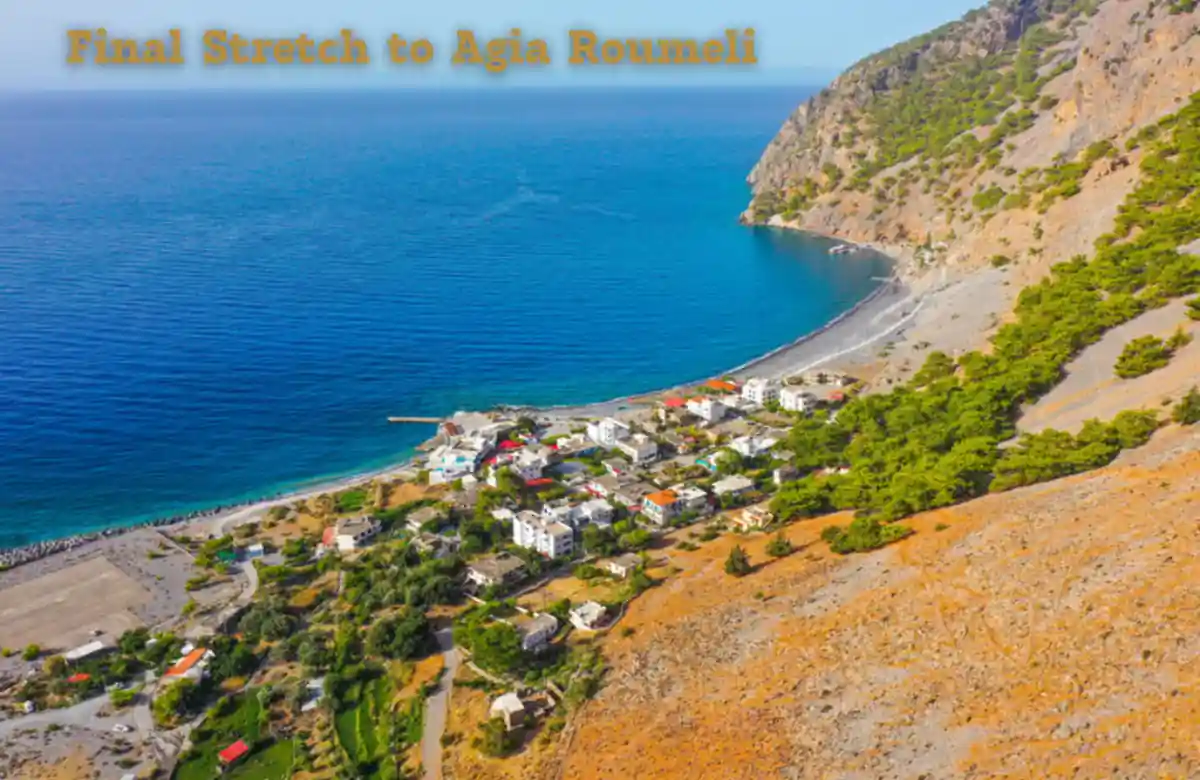
The hardest part mentally. The terrain flattens, but the sun hits hard as you leave the canyon. Keep hydrating. You’ll notice small cafés along the path as you approach the village.
G. The Libyan Sea Black-Sand Beach
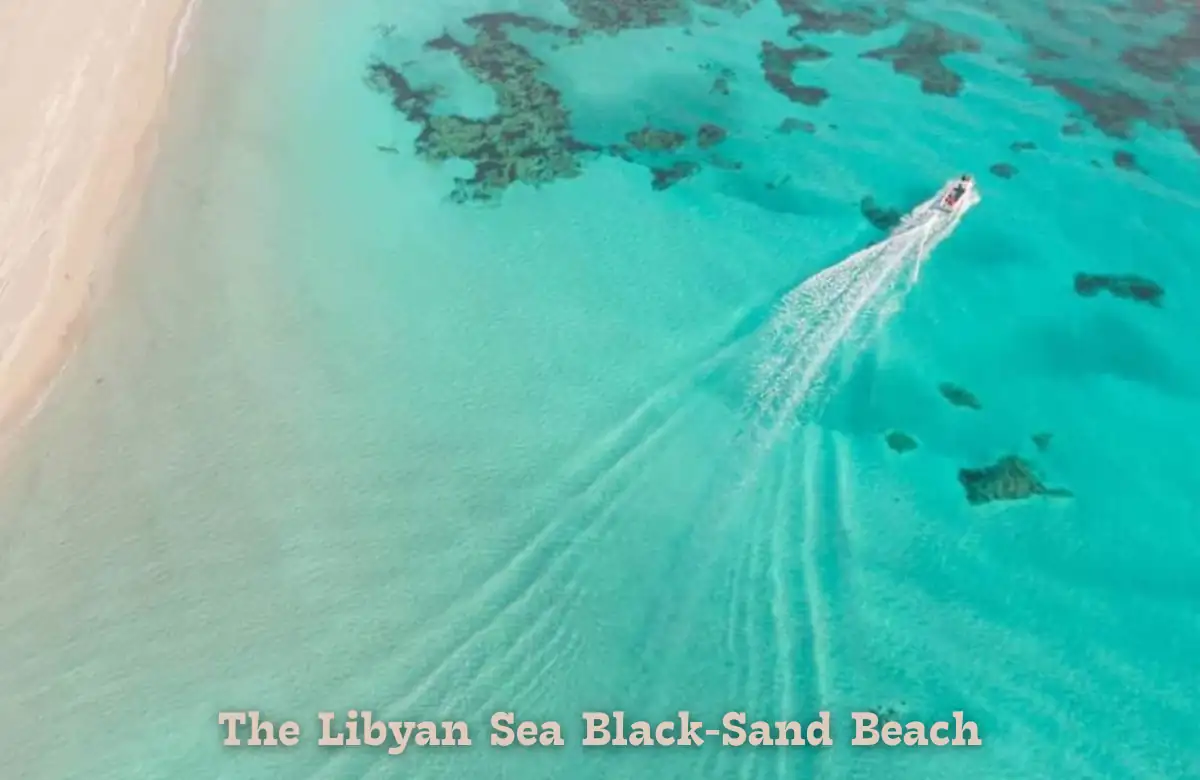
Reaching Agia Roumeli feels like stepping into another world. The black-sand beach and deep blue Libyan Sea make every step worthwhile. Many hikers swim here before catching the samaria gorge ferry back toward Chora Sfakion or Sougia.
What to Pack: Gear That Actually Matters
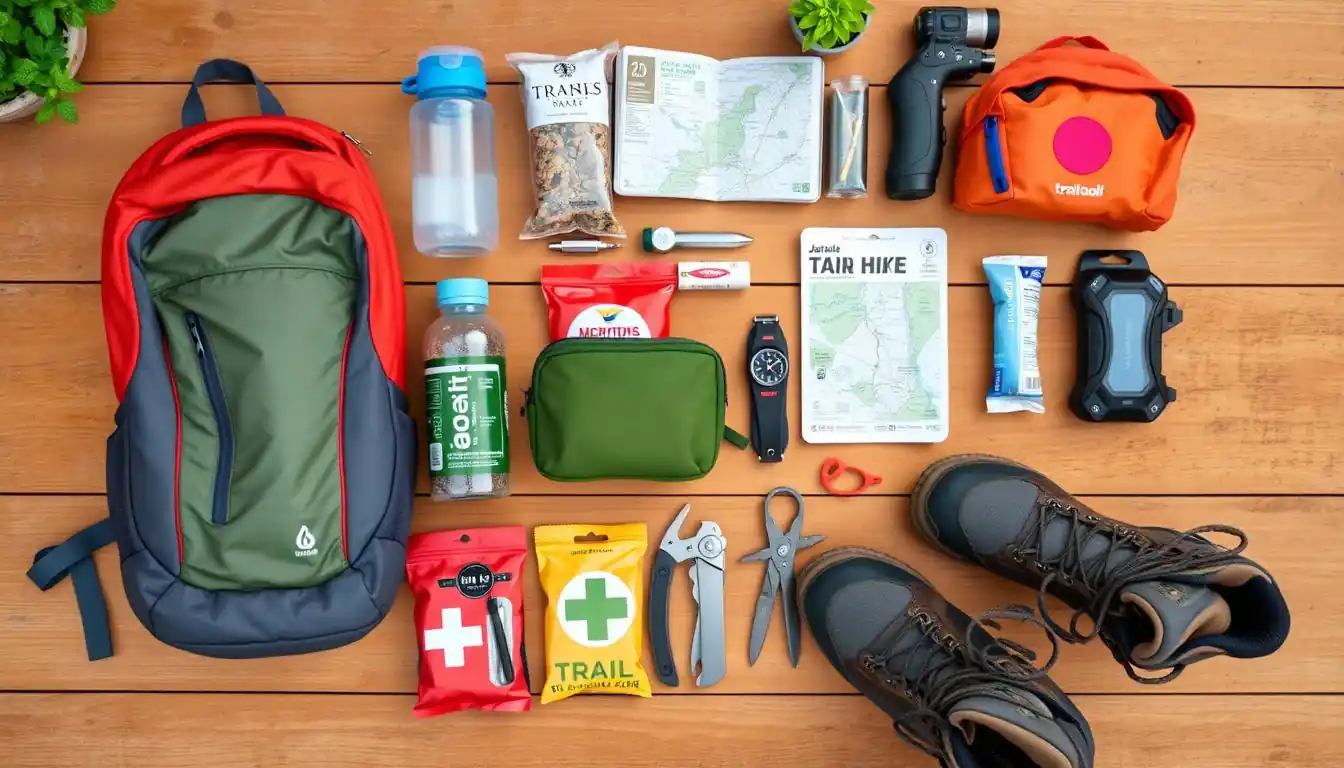
Bring gear that supports your body, not your backpack weight. Start with proper hiking boots or hiking shoes. The rocky descent demands grip. Add trekking poles or hiking sticks if you want knee support on uneven ground.
Carry at least 1.5 to 2 liters of water. There are water stations, but you still need enough between stops. Electrolytes help on warmer days. A lightweight backpack keeps you mobile and avoids shoulder strain.
Digital tools matter too. I often use fitness trackers, elevation charts, and the AllTrails app to monitor pace and distance. They’re not essential, but they give you better control over your timing.
Skip heavy jackets, large towels, or extra shoes. You won’t need them, and weight slows you down. If you plan to swim at Agia Roumeli, pack a thin towel and simple Hellas flip flops.
Keep it simple. The right travel essentials make hiking the Samaria Gorge safe and enjoyable.
Ferry Logistics: How to Exit the Gorge Without Stress
The hike ends at Agia Roumeli, a quiet coastal village with no road access. Your only way out is the Anendyk ferry. Most hikers take the boat to Chora Sfakion or Sougia, then return to Chania by public bus or pre-arranged transport.
You can buy a ferry ticket at small kiosks near the beach. If you want to double-check schedules, use Direct Ferries or the Anendyk website. I’ve had days when wind delays pushed departures back a bit, so it helps to arrive early and stay flexible.
If you miss the last ferry, you’ll need to stay the night in Agia Roumeli. It’s not a bad thing. You’ll find small tavernas, quiet paths, and a peaceful stretch of the Libyan Sea. But most travelers prefer catching the afternoon boat, so pace your hike accordingly.
Proper timing here prevents a stressful finish to an otherwise rewarding day.
Wildlife and Flora You Will See
The gorge is part of a protected ecosystem, and it shows. You’ll often spot the famous Kri Kri mountain goats resting on rocks or weaving through the brush. Their agility is something I still admire after many visits.
Look for cypress trees and Calabrian pine along the shaded sections. Near wetter patches you may notice the rare Abelitsia Tree, found only in this region. The forest feels alive, especially after spring rains.
Birdlife adds another layer. Keep an eye out for the Bonelli eagle, a powerful raptor that circles high above the gorge. Its wingspan is impressive when you see it glide between the tall gorge walls.
In early summer, patches of oleander flowers bring color to the rocky landscape. If you hike in May, you might even spot clusters of wild delphiniums along the water channels. The biodiversity here is part of what makes hiking the Samaria Gorge unforgettable.
History and Cultural Context Along the Trail
Walking through Samaria feels like stepping through layers of Greek history. The gorge served as a refuge during the Ottoman occupation, and many resistance stories still echo through local conversations. Some of the stone structures you see belonged to families who lived deep inside the gorge for centuries.
You’ll also pass ancient ruins linked to earlier settlements and shepherd communities. These simple structures tell the quiet story of life in a remote part of Crete.
For travelers who enjoy broader cultural context, the link to Greek civilization adds more depth. Even the nearby Palace of Knossos and Minoan Civilization shaped the island’s identity long before Samaria became a UNESCO Biosphere Reserve.
Understanding this history helps you appreciate the gorge beyond its natural beauty. It becomes a living cultural corridor rather than just a hiking trail.
Safety Rules and What To Do in an Emergency
Safety matters more in Samaria than most travelers expect. The terrain is uneven, the gorge narrows sharply in places, and temperatures can rise quickly. Over the years, I’ve seen hikers struggle with dehydration or twisted ankles simply because they underestimated the route.
Here are the essentials:
• Know the ranger posts. You’ll find staffed checkpoints near the Village of Samaria and closer to the Iron Gates. Rangers monitor conditions and help injured hikers.
• Watch for heat exhaustion. The final stretch toward Agia Roumeli has little shade. Move slowly and drink often.
• Understand the mule rescue system. If someone can’t continue, rangers coordinate a mule transport. It’s slow, but effective for most injuries.
• Have valid travel insurance. Companies like World Nomads cover hiking-related incidents, which gives you peace of mind.
• Respect trail closures. Rockfalls, flash floods, and fire risks are taken seriously in Samaria Gorge National Park.
If something goes wrong, stay calm and notify the nearest ranger. They know the gorge better than anyone and act quickly when needed.
Where to Stay Before and After the Hike
Good sleep makes the hike easier. If you want an early start, stay near the Omalos plateau. I’ve used Hotel Neos Omalos more than once. It’s simple, warm, and close to the trailhead.
In Chania, places like Mossa Well Being Hotel or Hyperion City Hotel & Spa offer more comfort. Chania also has great food, lively streets, and easy pickup points for organized tours.
If you finish late or miss the ferry, staying in Agia Roumeli is surprisingly relaxing. The beach feels peaceful at sunset, and small guesthouses overlook the Libyan Sea.
Budget travelers can look for options listed on Hostel World. For those renting a car, places near the Porto Veneziano area in Chania offer quick access to early KTEL buses.
Choose your stay based on how early you want to start and how relaxed you want the finish to feel.
Alternatives if Samaria Is Closed or Too Hard
Samaria isn’t always open. Weather, safety conditions, or late-season storms can close the entrance without warning. If you want a backup or something gentler, Crete offers great alternatives.
Imbros Gorge
A shorter, easier route. Perfect for families or anyone unsure about the samaria gorge hike difficulty. The landscape is beautiful, and the path feels more forgiving.
Agia Irini Gorge
A quieter option with deep shade and rich forest. The steep sections are limited, making it a safe choice if your knees struggle on long descents.
Aradena Gorge
More dramatic and rugged. Ideal for travelers with good balance and comfort on rocky terrain.
These alternatives still give you a taste of Crete’s canyon landscapes without the long 16 km commitment. They’re also great choices if you want to experience multiple gorges in the same trip or if the National Park closes for the day.
Costs and Sample Budget Breakdowns
Your spending depends on how you travel, but the core costs stay fairly stable. Here’s what most hikers pay:
• Entrance fee: Standard ticket at the gate.
• KTEL bus: Budget-friendly option from Chania or Sougia.
• Ferry ticket: Required from Agia Roumeli to Chora Sfakion or Sougia.
• Food and water: Snacks inside the gorge, meals in Agia Roumeli.
• Gear: Trekking poles or last-minute purchases.
Three sample budgets help you plan:
• Budget: Public bus + basic snacks + ferry.
• Mid-range: Rental car through Discover Cars, lunch by the Libyan Sea, ferry.
• Comfort: Guided tour with transfers + better meals + upgraded stay in Chania.
Costs add up fast, but knowing these numbers helps you avoid surprises.
Final Words
Finishing the trail and stepping onto the shoreline of the Libyan Sea feels like a reward that’s earned step by step. The hike takes you through rock walls shaped over millions of years, forests that smell of cypress and pine, and corners of Crete where history still breathes.
Every visit reminds me why this route remains Greece’s most iconic canyon walk. It challenges you, teaches you to pace yourself, and offers a quiet beauty that reveals itself slowly.
If you prepare well and respect the terrain, hiking the Samaria Gorge becomes more than a long walk. It becomes a memory you’ll carry far beyond Crete.
FAQs About Hiking the Samaria Gorge
1. What is the best starting time?
Begin early. Cooler temperatures and fewer crowds make the first hours easier.
2. Can kids hike it?
Older children with hiking experience can manage it. Younger kids may struggle with the long descent.
3. Is it safe for solo travelers?
Yes. I’ve done it solo several times. Stay aware of heat and stay near other hikers in remote sections.
4. When does the gorge open each year?
Usually May 1. Opening depends on weather, especially snowmelt from the White Mountains.
5. How long does the KTEL bus take?
About one hour from Chania to Omalos. Slightly more during peak season.
6. Do I need hiking boots?
They help a lot. Hiking shoes with strong grip are fine, but avoid flat sneakers.
7. Is there a shorter version of the hike?
Yes. You can do the samaria gorge short hike from the Agia Roumeli side up to the Gates of Samaria and return.
8. Can you hike Samaria Gorge without a tour?
Absolutely. Many travelers do it independently using buses or a rental car.
9. What happens if the ferry is canceled?
You’ll stay in Agia Roumeli. It’s calm, and accommodation is easy to find.
10. Is the terrain similar to other gorges?
It feels tougher than Agia Irini Gorge, longer than Imbros, but less technical than Verdon Gorge.