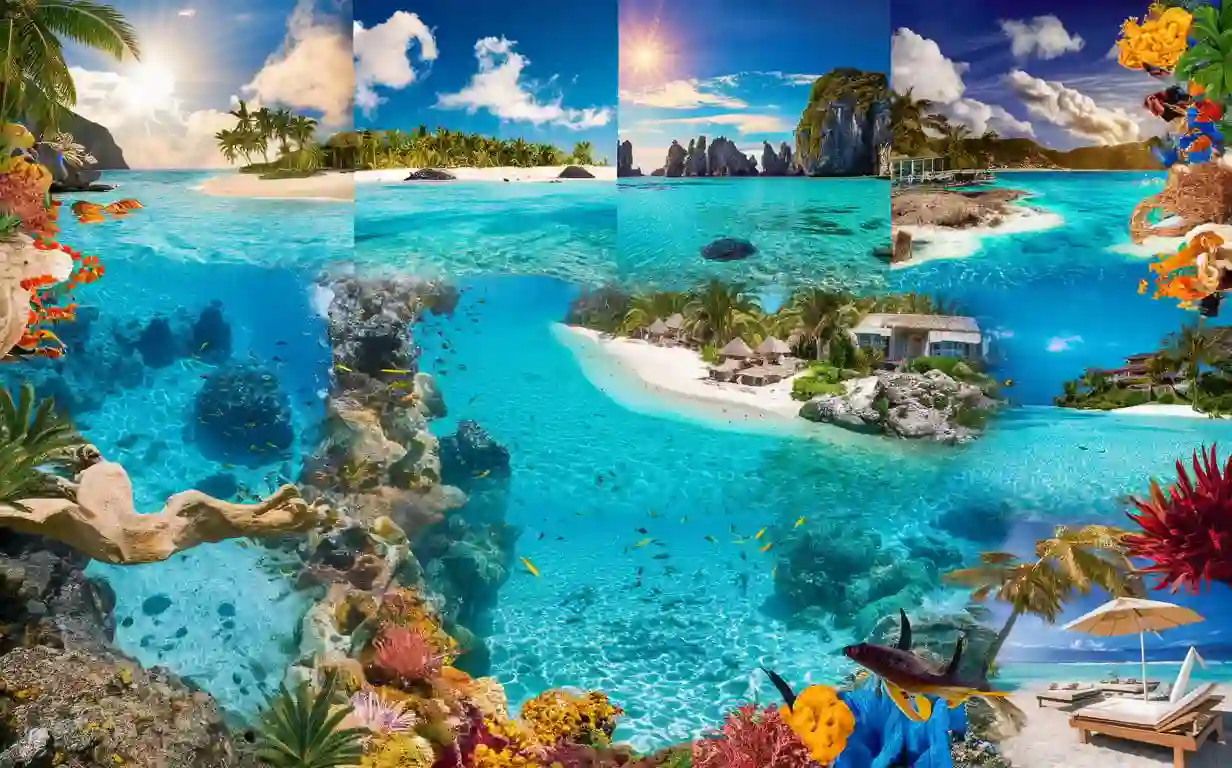
The clearest ocean water in the world isn’t just something you dream about — it’s real, and it’s even more mind-blowing in person.
Picture this: you’re knee-deep in water so transparent, your feet cast sharp shadows on the white sand below. No filters, no editing — just nature showing off. The clearest ocean water in the world exists in remote lagoons, tucked-away beaches, and quiet coastal corners where marine life thrives and stress doesn’t stand a chance.
It’s more than aesthetics. These places feel different. Cleaner air, calmer moods, and that surreal feeling of floating above a living aquarium. You’ll find yourself staring through the surface, watching tiny fish dart like sparks across coral beds.
Wondering where to go? We’ve rounded up the ultimate list of destinations known for having the clearest ocean water in the world — from tropical escapes to glacial wonders. Each one offers clarity, both in water and in spirit.
II. What Makes Ocean Water “Clear”?
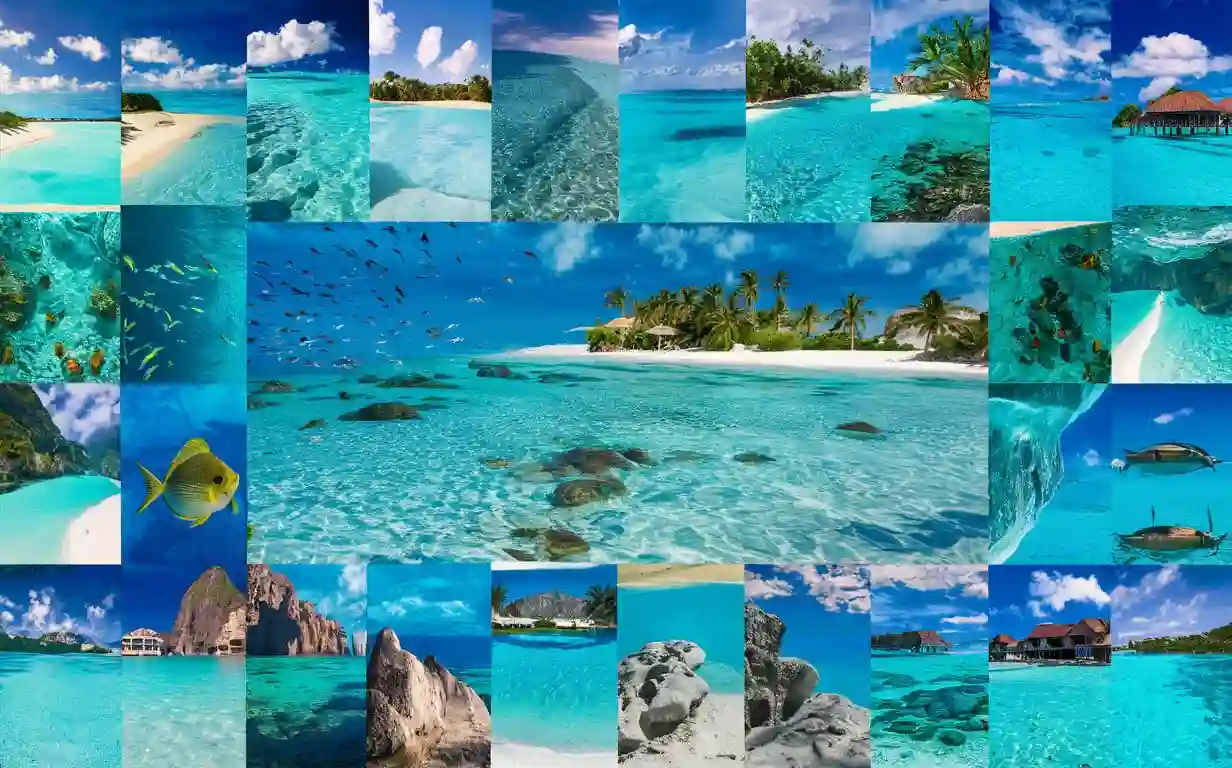
Alright, quick science moment — but not the boring kind. The clarity of water often comes down to what’s not in it. Less plankton, fewer floating sediments, and minimal human interference? That’s the secret sauce. Add some natural protection like coral reefs or lava rock barriers, and you’ve got yourself a pool of visibility that can stretch for dozens of feet, almost like distilled water poured into a giant natural bowl.
Geography helps a lot too. Calm lagoons tucked away behind atolls… remote bays untouched by major cities… places where tides are gentle, and the surrounding environment stays stable. Some are even UNESCO World Heritage Sites, where conservation keeps them from turning murky.
And timing? Definitely matters. Visit during the dry season or the shoulder months (just before or after peak tourist times), and the difference can be night and day. That grainy blue color water you saw on someone else’s trip might turn out to be a glassy turquoise under the right light and season.
Just a quick note — this isn’t a countdown. No ranks, no top dog. Every place on this list offers something unique. Some are best for snorkeling adventures, others for lazy swims, a few are pure eye candy. But all share one thing: water so clear you’ll think you left the real world behind.
12 Unreal Places With Clearest Ocean Water in the World

Let’s explore 12 Clearest Ocean Water Spots That Don’t Look Real.
1. Exuma, Bahamas
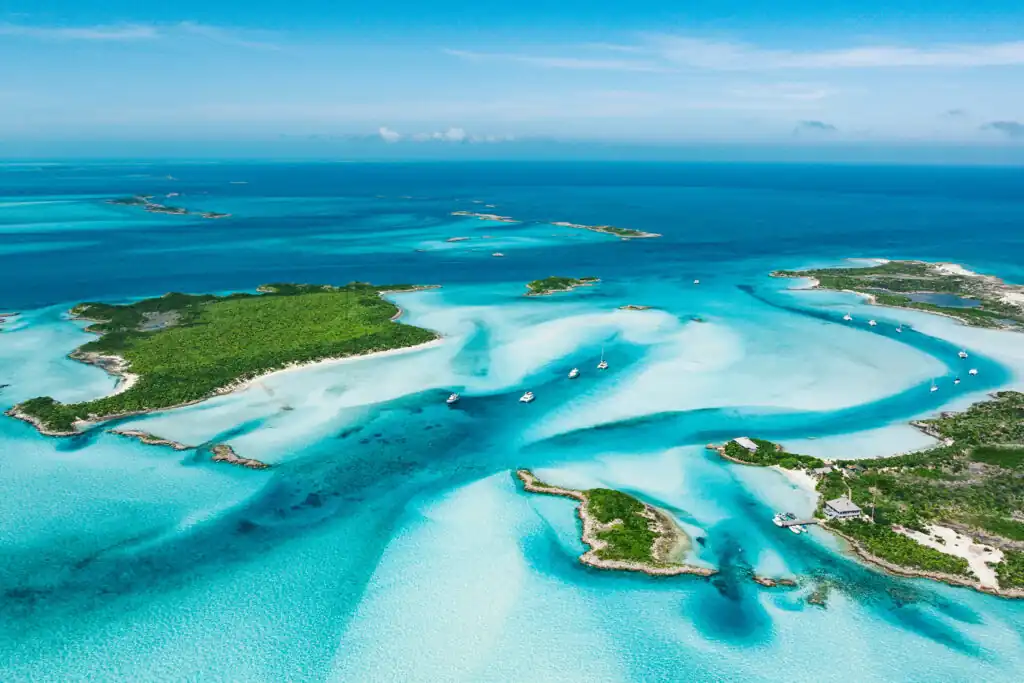
If the ocean ever looked Photoshopped in real life, it’s probably Exuma. The water here is this wild electric blue — shallow enough to see straight through to the sea floor, even from a drone shot. Some folks say it’s the clearest ocean in the world, and honestly… they might be right.
Visibility? Up to 100 feet on a good day. You can watch stingrays glide by while you’re still ankle-deep. And yes, the swimming pigs are real. Quirky, slightly bizarre, but a must-see.
This stretch of the Bahamas is perfect for boat tours that cruise over sandbars and stop at tiny islands. Sand so soft it squeaks. Waters so shallow, you can walk across entire channels.
Best time to visit: December to April, when the water’s calm and the skies are mostly clear.
Insider tip: Pack polarized sunglasses — you won’t believe the blue unless you see it with your own eyes. Oh, and bring snacks for the pigs… they’re surprisingly picky.
2. Bora Bora, French Polynesia
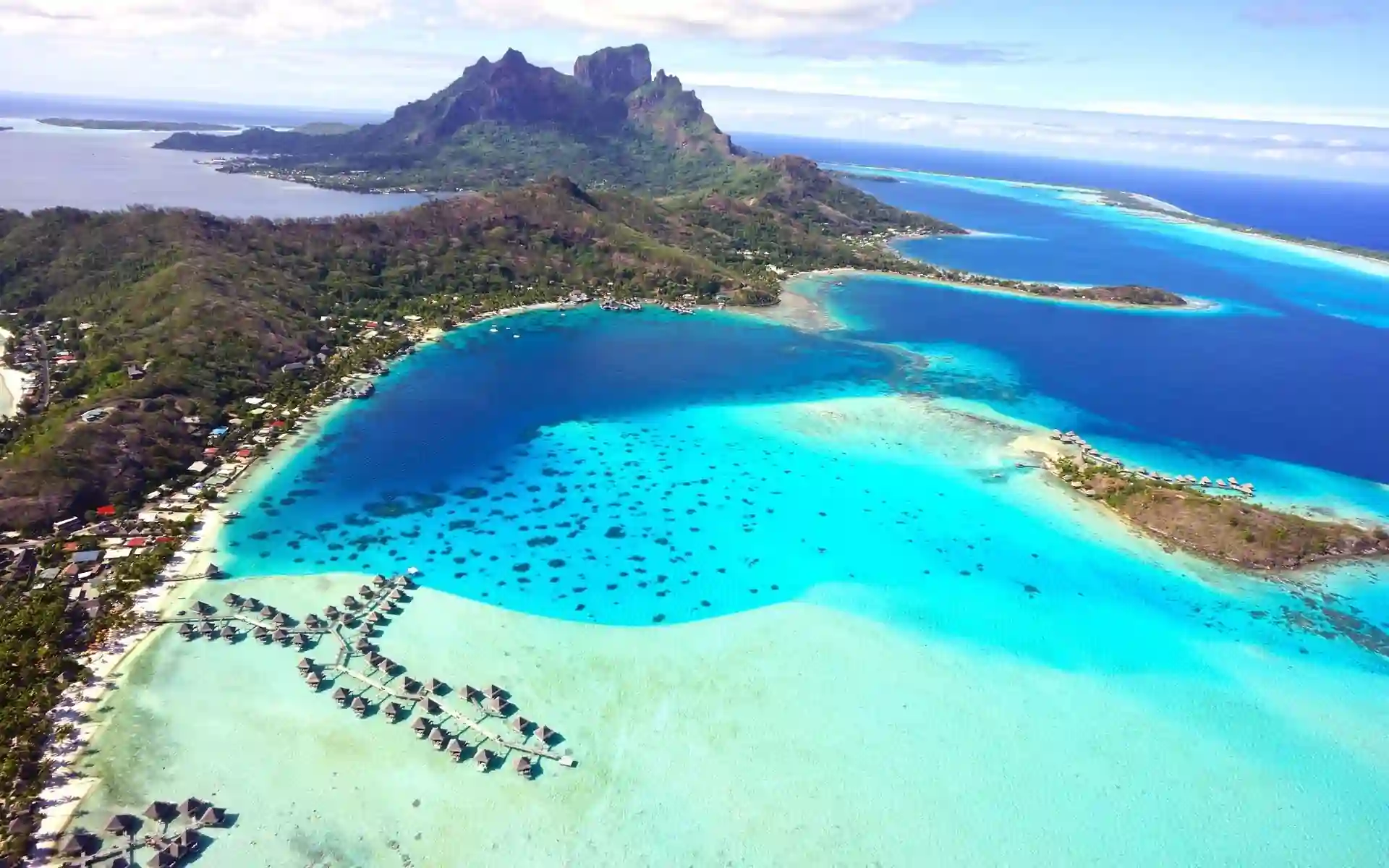
Let’s be real: Bora Bora has probably been on your dream travel list since forever. The water here? Unreal. Think pastel blue melting into turquoise, wrapped in a coral reef so perfectly shaped it almost seems artificial. This isn’t just one of the clearest oceans in the world — it’s a lagoon that feels like nature showing off.
What makes it so pristine? The reef barrier keeps the outer waves at bay, creating a calm, pool-like environment inside. It’s what gives overwater bungalows their famous views — you literally wake up to see fish under your floor.
Activities: Snorkeling with reef sharks, lazy paddles in glass-bottom kayaks, even wedding photo shoots (people do that here).
Best time to go: May to October — dry season, fewer mosquitos, and those picture-perfect skies.
Luxury or budget: Bora Bora leans luxury. But if you plan well, you can do it without breaking the bank.
Local tip: Matira Beach is free, public, and just as stunning as the private resorts. Go for a sunset dip… it’s ridiculous in the best way.
3. Maldives
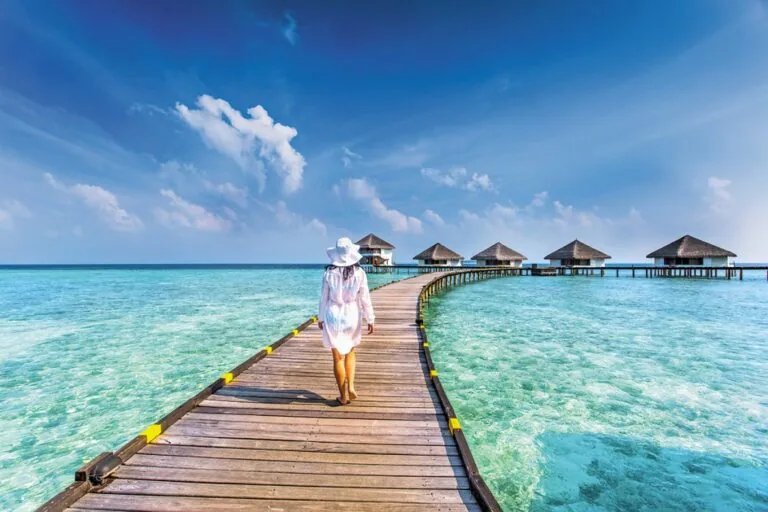
Welcome to the Maldives — a floating necklace of coral islands in the Indian Ocean, scattered like pearls across an impossibly clear sea. This place is practically synonymous with the clearest ocean water in the world, and honestly, you’ll know why the second you see it from the plane window.
Over 1,000 islands make up the country, but it’s the water that steals the show. Gin-clear, warm, and still — the kind of sea where you don’t just swim… you glide. Visibility is so good, it’s like the ocean forgot how to hide anything.
What to do here: Nighttime swims during bioluminescence season, drift diving along coral reef systems, or just floating for hours in silence.
Best time to visit: November to April, when monsoon rains are minimal and skies stay bright.
Insider tip: If you’re splurging, try the Four Seasons Maldives at Landaa Giraavaru — not just luxury, but also part of a UNESCO-listed marine sanctuary. If not, local guesthouses on lesser-known islands offer surprisingly great clarity too.
4. Zakynthos (Navagio Beach), Greece
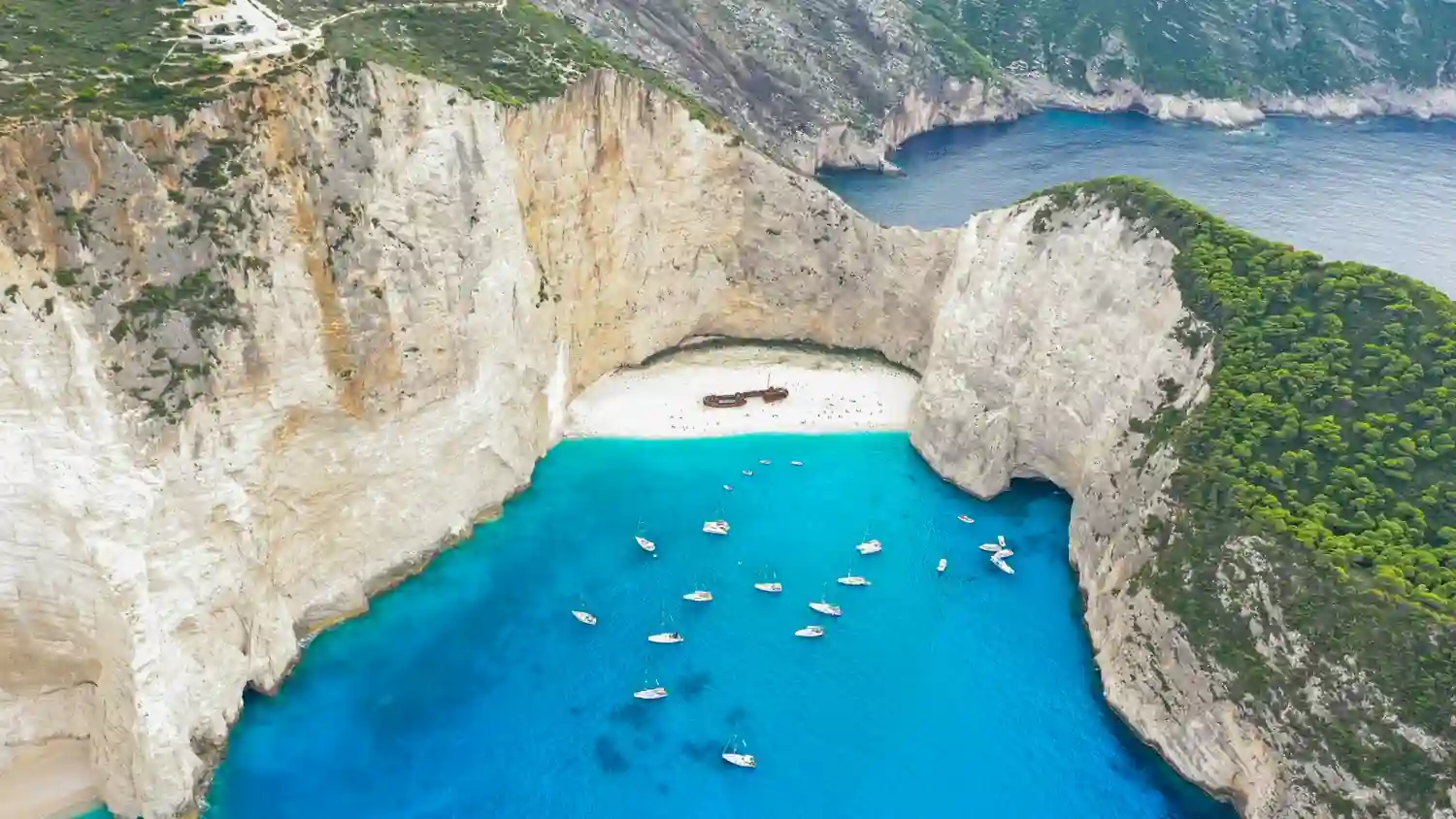
Sometimes it’s the contrast that makes a place unforgettable. At Navagio Beach, also known as Shipwreck Beach, the bright turquoise waters of the Ionian Sea crash gently against towering limestone cliffs — the kind that makes you lean over the edge and just… stare.
And the water? Unreal. You can see the outline of the shipwreck resting on the sand below, even from a boat bobbing far out in the bay. It’s one of those stunning blue water beaches that looks edited in every photo, but weirdly, the real thing looks even more surreal.
What makes it so clear: Calm, enclosed cove conditions, plus a lack of sediment and pollution. The water clarity here rivals that of the Caribbean, but with a distinctly Mediterranean vibe.
Top activities: Snapping photos from the cliffside viewpoint (yeah, that one), boat trips around the island, and swimming straight off the boat into water that feels like cooled glass.
Best time to visit: Late spring or early fall, when it’s warm but not swarmed with cruise passengers.
Local tip: Get there early. Like sunrise-early. The light hits the cove perfectly, and for a brief moment, it feels like your own private piece of the clearest ocean water in the world.
5. Aitutaki Lagoon, Cook Islands
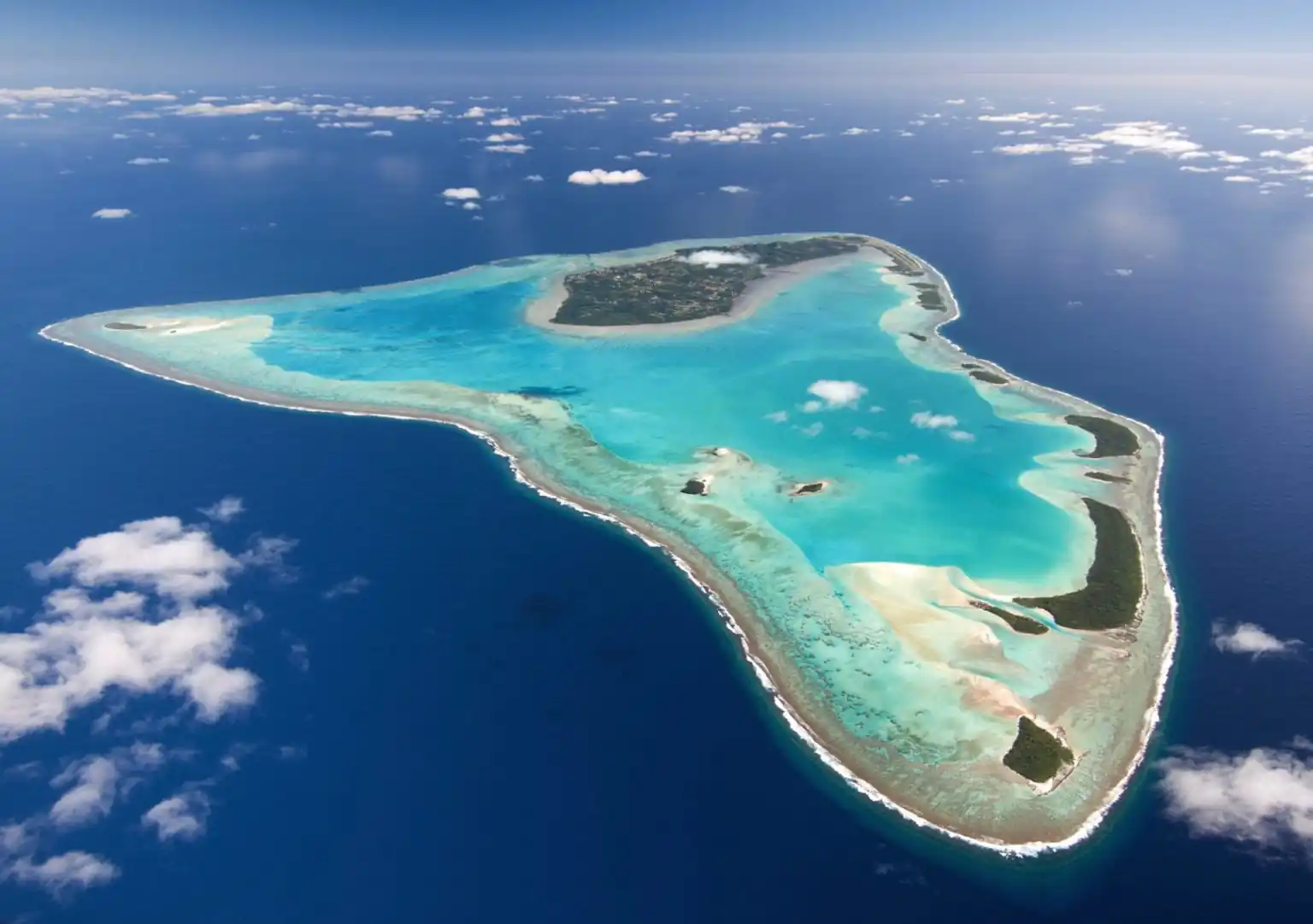
Not many people have heard of Aitutaki — and that’s kind of the point. This small dot in the South Pacific is where you go when you want to escape… even from the people who are escaping. It’s Bora Bora’s lesser-known cousin, with water just as clear and arguably more peaceful.
The lagoon here is this unbelievable patchwork of pale blues and greens, like a painter got carried away with every shade of ocean color imaginable. And it’s shallow, so the bottom stays visible — coral reefs, soft sand, even your own footprints if you walk far enough out.
Why so clear: It’s tucked away, protected by a ring of coral atolls, with very little boat traffic or runoff. That means fewer particles to cloud things up, and more of that dream destination for nature lovers kind of vibe.
Things to do: Kayaking to uninhabited motus (tiny islands), snorkeling in reef gardens, or just lying in the water watching fish nibble at coral.
Best time to go: May through October — less rain, more clarity.
Insider tip: One Foot Island is the spot. You can get your passport stamped there, and yes, the water is as absurdly clear as people say.
6. Palawan, Philippines (El Nido & Coron)
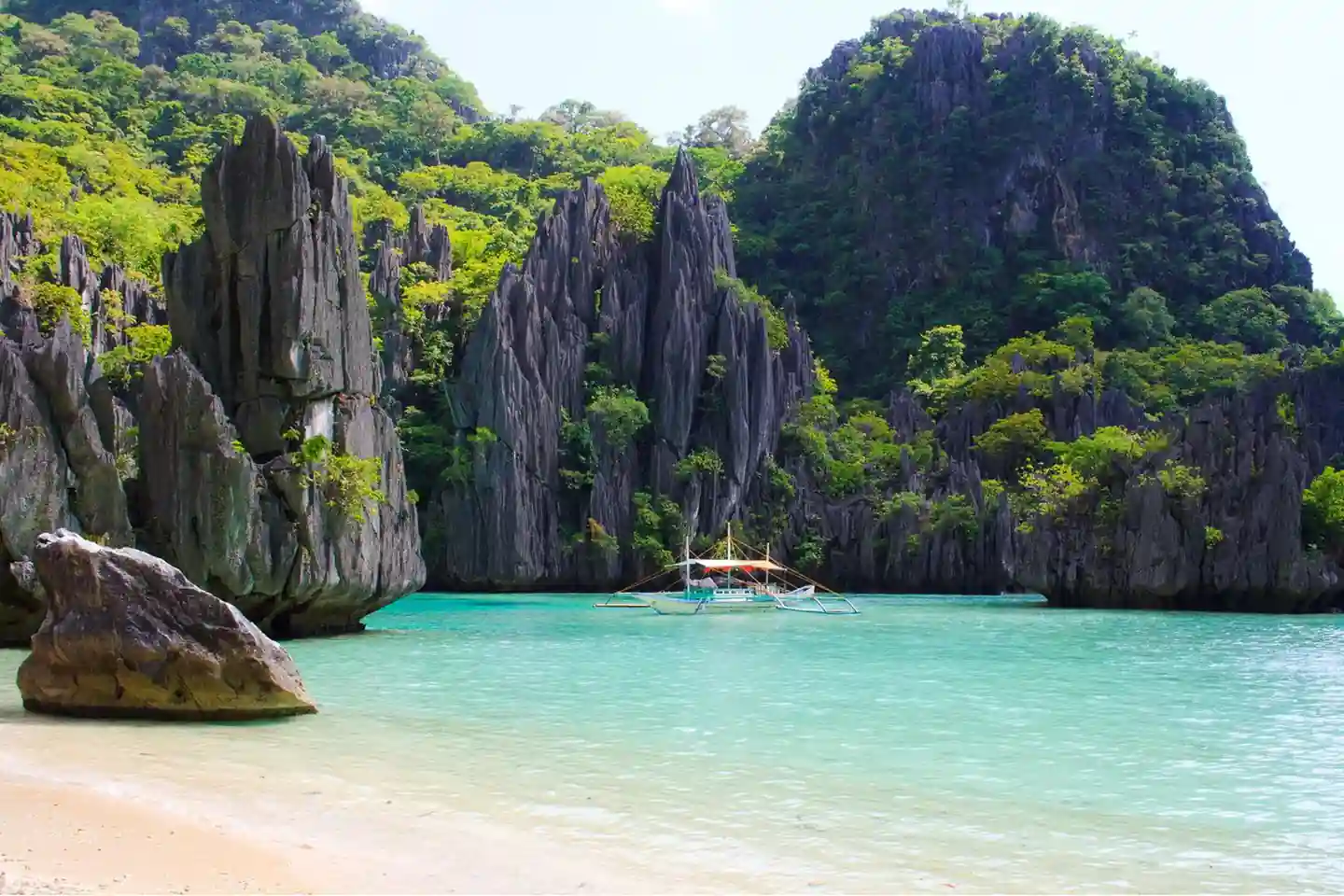
If you’ve ever typed “where is the clearest water” into a search bar at 2 a.m. while avoiding sleep or real life… there’s a decent chance Palawan popped up. And rightly so. This place is a tangle of limestone cliffs, emerald-green waterfalls, and hidden lagoons that make you question reality just a bit.
El Nido’s Bacuit Bay and Coron’s Twin Lagoon are particularly famous for their glassy, light-reflecting waters. The visibility here is almost eerie — you can see schools of fish darting past limestone walls below, like watching an aquarium scene in real time.
Why so clean: The islands are relatively untouched, with glacial-lake levels of clarity thanks to sheltered bays and limited development. And the coral reef system here? It’s thriving.
Best activities: Island hopping, snorkeling adventures, freediving into blue holes, and paddleboarding through narrow inlets.
Best time to visit: December to May. Dry season, calm seas, and that soft golden light that makes everything feel cinematic.
Budget friendly: Surprisingly, yes. You’ll find cheap boats, beachfront hostels, and family-run eateries with million-dollar views.
Local tip: Try the Kayangan Lake tour in Coron. Locals say it’s the most clearest water in the world — and once you’re there, it’s hard to argue with them.
7. Hanauma Bay, Oahu, Hawaii
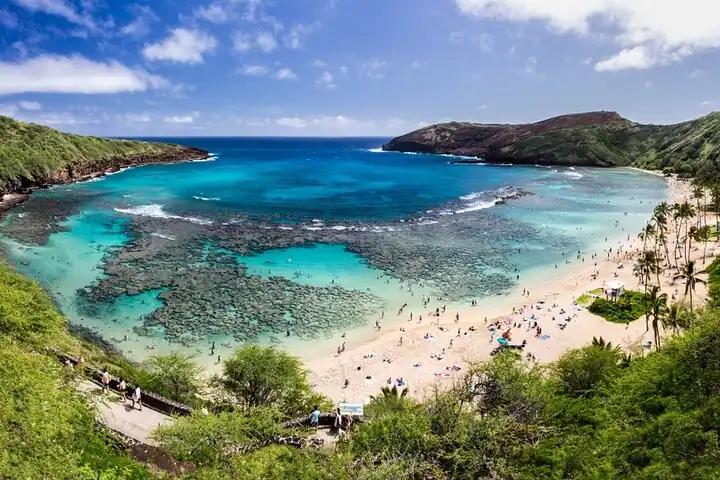
This one’s for the snorkelers. Or anyone who’s ever daydreamed about floating just above a reef, surrounded by darting tropical fish and water so clear you start to forget you’re in the ocean.
Hanauma Bay isn’t just beautiful — it’s protected. Literally. It’s a designated marine life conservation area, and that care shows in the water clarity. On calm days, you can spot fish from shore without even getting wet. It’s like someone turned up the brightness and contrast on nature.
What makes it so special: Limited daily entries, strict conservation rules, and a naturally curved bay that keeps sediment out. It’s not just one of the best water clarity destinations — it’s one of the most responsibly preserved.
Things to do: Snorkeling, obviously. That’s the star of the show. But also lounging on the beach, watching sea turtles from the shallows, and just soaking in the beauty of one of the clearest oceans in the world.
Best time to go: Early morning or weekdays. It gets booked up fast — reservations are required.
Pro tip: Use reef-safe sunscreen (it’s required anyway), and avoid stepping on the coral. The marine life here is delicate… and stunning.
8. Lampedusa, Italy (Spiaggia dei Conigli)
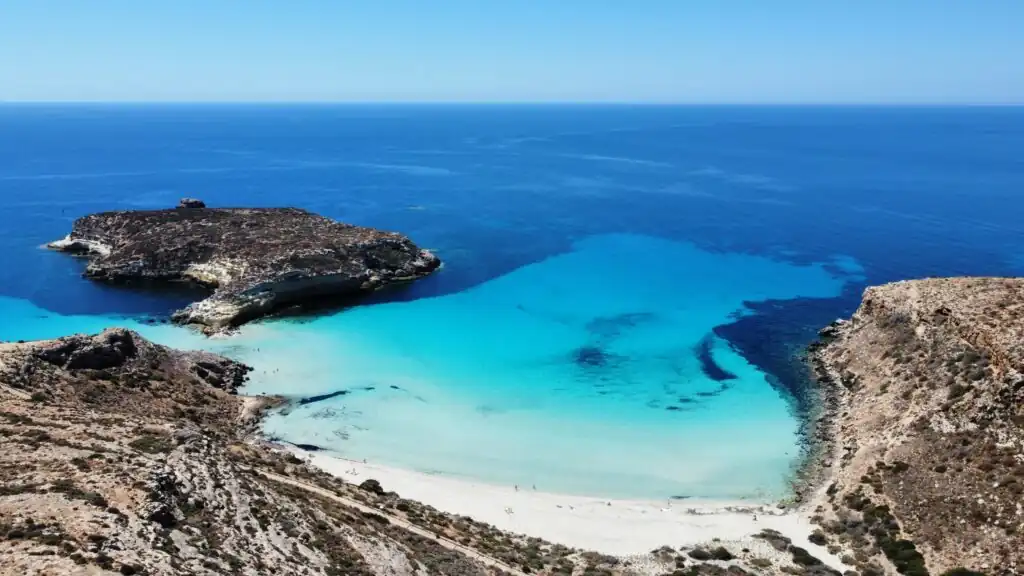
This one’s like stumbling onto a secret. You’re in southern Italy, closer to Africa than Rome, standing on a beach that feels like it shouldn’t exist — it’s that pristine. Spiaggia dei Conigli, or Rabbit Beach, on Lampedusa Island, is an ode to untouched Mediterranean beauty.
The sand is soft and white, the sea is calm, and the water? Glassy. You can float on your back and count the grains of sand beneath you — no kidding. It’s not only one of Europe’s crystal clear beaches but also a natural preserve, which explains the calm and cleanliness.
Why so clear: Minimal development, no noisy resorts nearby, and very little water traffic. Plus, the beach is part of a marine reserve that even sea turtles love for nesting.
Activities here: Swim, snorkel, walk barefoot through shallow turquoise waters, or just sit and do absolutely nothing (which feels oddly perfect here).
Best time to visit: June to September. Late summer light makes the water practically glow.
Local tip: Bring everything you need for the day. No shops, no hotels right on the beach. It’s remote — which is exactly the point.
9. Lake Tahoe, USA (Sand Harbor)
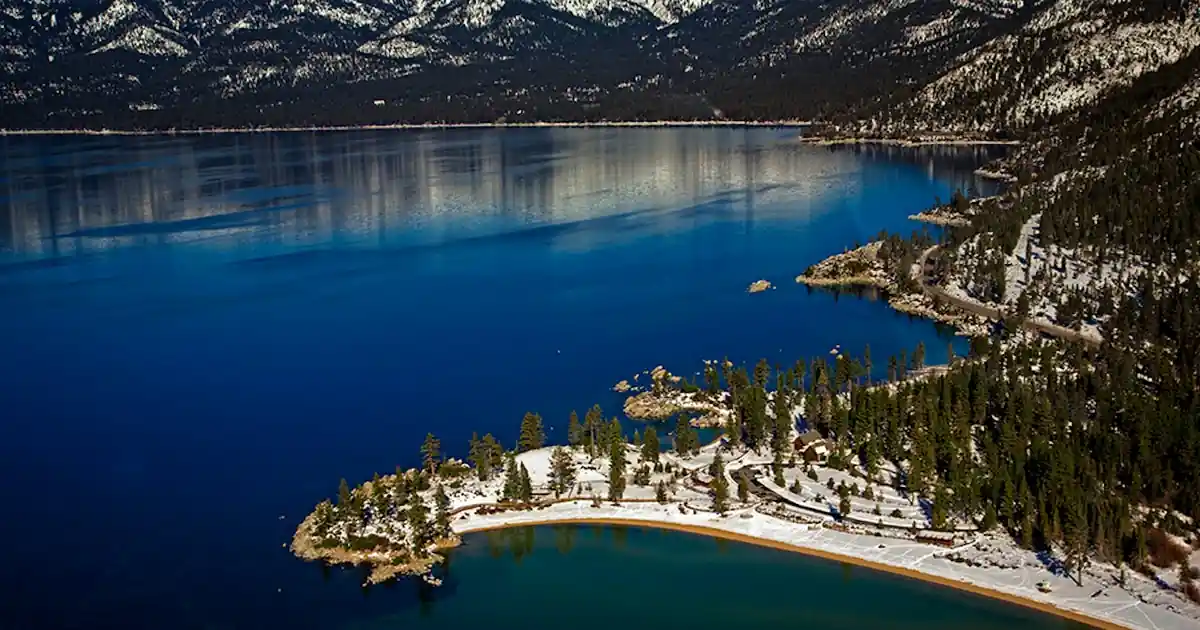
Okay, so technically this isn’t an ocean… but honestly, we had to make room for it. Because if we’re talking about the clearest water bodies on Earth, Lake Tahoe crashes the party in style. Especially around Sand Harbor on the Nevada side — a spot that looks more like the Caribbean than an alpine lake.
Clarity here reaches down over 60 feet on good days. You can paddleboard over rocks the size of boulders and see them as if they’re just beneath the surface. The water is icy blue, framed by pine trees and the Cascade Mountain Range in the distance — a total contrast to the tropical scenes, but just as jaw-dropping.
Why so clear: Cold temperatures, low algae, and decades of conservation efforts. Researchers from the Alfred Wegener Institute and other organizations even study the lake’s clarity with a Secchi disc — it’s kind of a big deal in climate research circles.
Top things to do: Kayaking, paddleboarding, and sunset picnics with those crazy mirror-like views.
Best time to visit: Late spring to early fall. That’s when the water’s warmest (well, relatively) and clarity peaks.
Local tip: Arrive early or bike in — parking fills up fast. And yes, you can swim… if you don’t mind it being, uh, refreshing.
10. Turks and Caicos
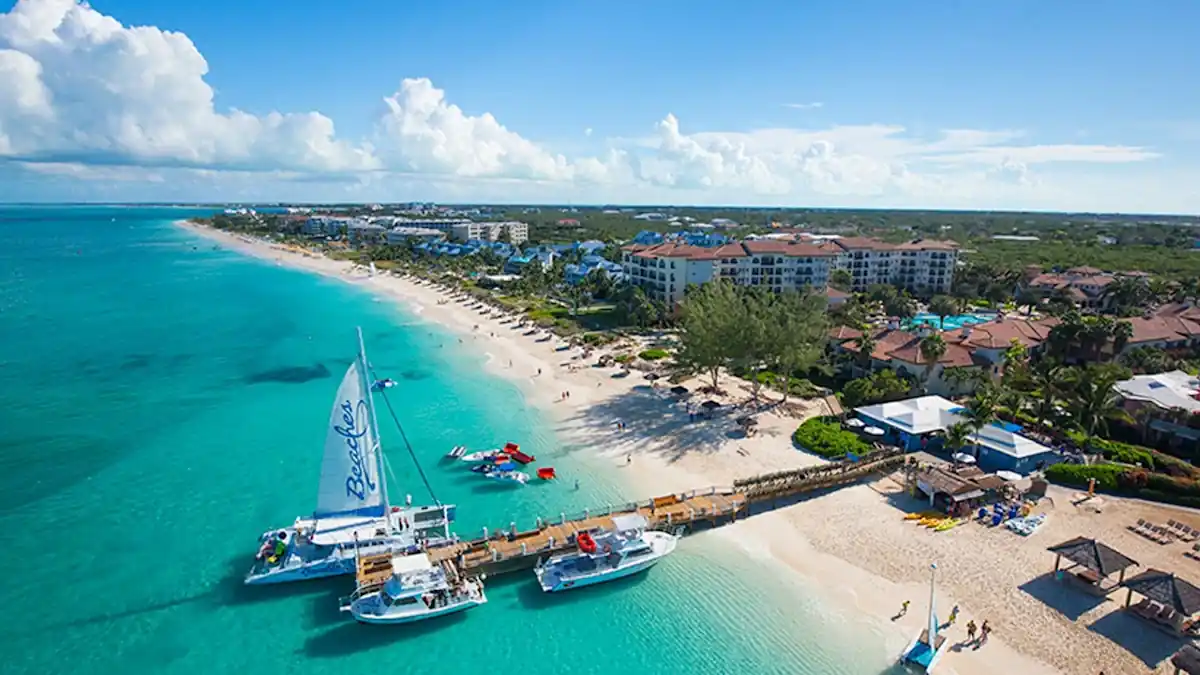
You know that unreal shade of turquoise you usually only see on postcards? It’s real — and it’s just casually doing its thing in Turks and Caicos. Grace Bay, in particular, is what a lot of people picture when they imagine the clearest ocean water in the world. Shallow, calm, almost unnervingly transparent.
The island chain sits on the edge of the third-largest coral reef system in the world, which plays a big part in keeping those waters calm and particle-free. The sand is powdery white, the breeze smells like salt and sunscreen, and the water clarity? You’ll be ruined for other beautiful pebble beaches.
What can you do here: Beginner-friendly snorkeling, especially off the shore. Also: barrier reef diving, paddleboarding, sailing, or just floating with a drink in hand while the sun sets.
Best time to visit: January to April, when the skies are clear, the water’s warm, and the resorts aren’t completely booked solid.
Budget or luxury: It leans luxe — but if you stay on Providenciales and skip the big-name resorts, you can pull off a mid-range trip without losing that high-end feel.
Local tip: Visit Bight Reef in the morning for better visibility and fewer swimmers. It’s teeming with marine life, and still shallow enough to stand in parts.
11. To Sua Ocean Trench, Samoa
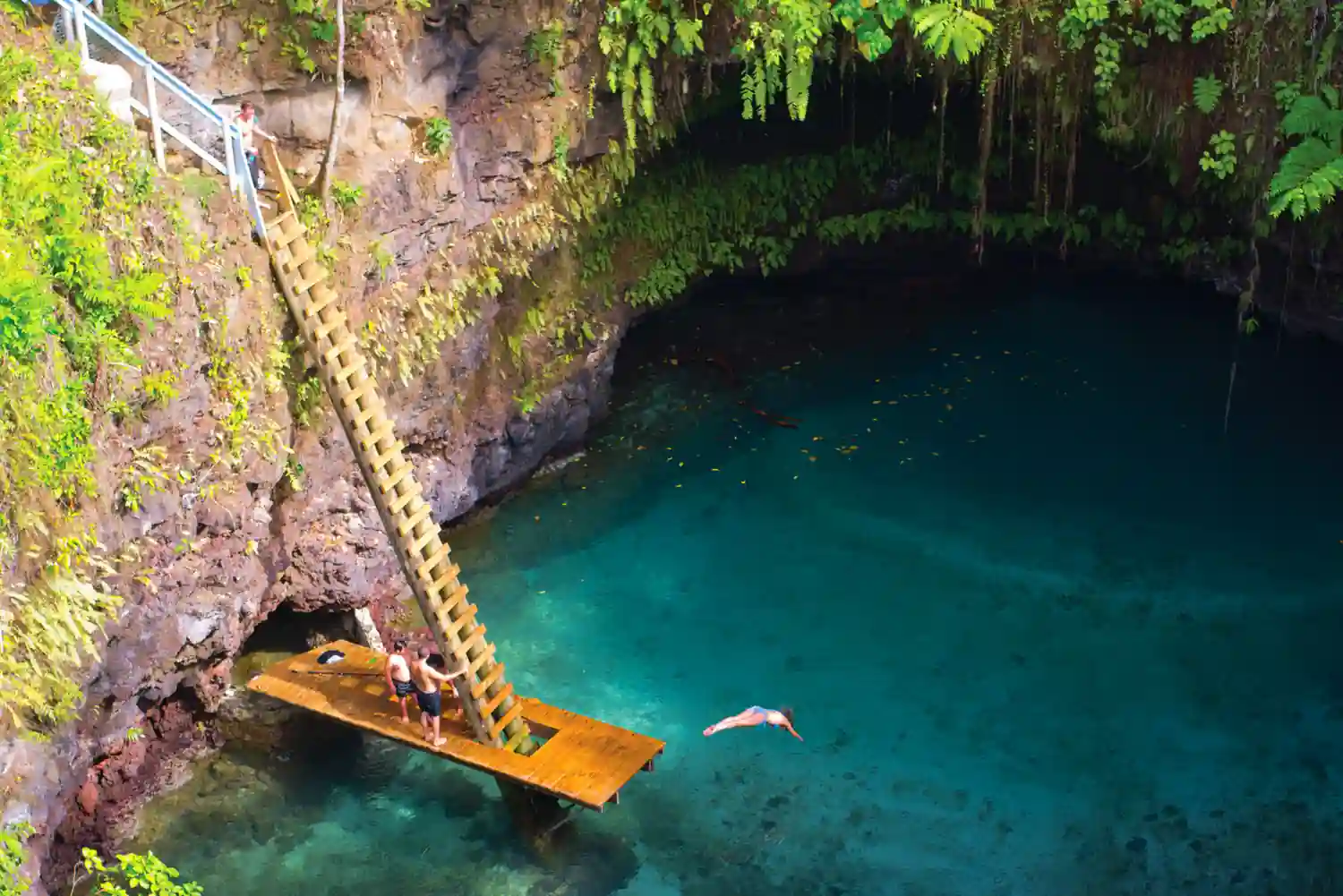
Okay, this one’s different. Not technically a beach… not quite a lagoon either. But To Sua Ocean Trench is a deep, volcanic swimming hole fed by the Pacific Ocean — and honestly, it feels like it belongs in some kind of island mythology.
You climb down a wooden ladder into this emerald-blue pool, encased by lava rock and jungle greenery. The water is impossibly clear — the kind of clarity that makes you wonder if it’s even real. It’s easily one of the most magical swims you’ll ever have.
Why is it so transparent: It’s a mix of filtered seawater and rainwater, in a naturally sheltered environment. There’s barely any disturbance, and that creates glass-like conditions.
What to do: Swim, float, stare at the walls of the trench, then float some more. There’s not much else — and that’s the charm.
Best time to visit: During Samoa’s dry season, from May to October.
Insider tip: Wear water shoes — the ladder is steep and the floor uneven in parts. And take your time climbing down… it’s worth the slow descent.
Bonus: It’s budget-friendly. A few tala gets you in, and the experience? Way beyond its price tag.
12. Rangiroa, French Polynesia
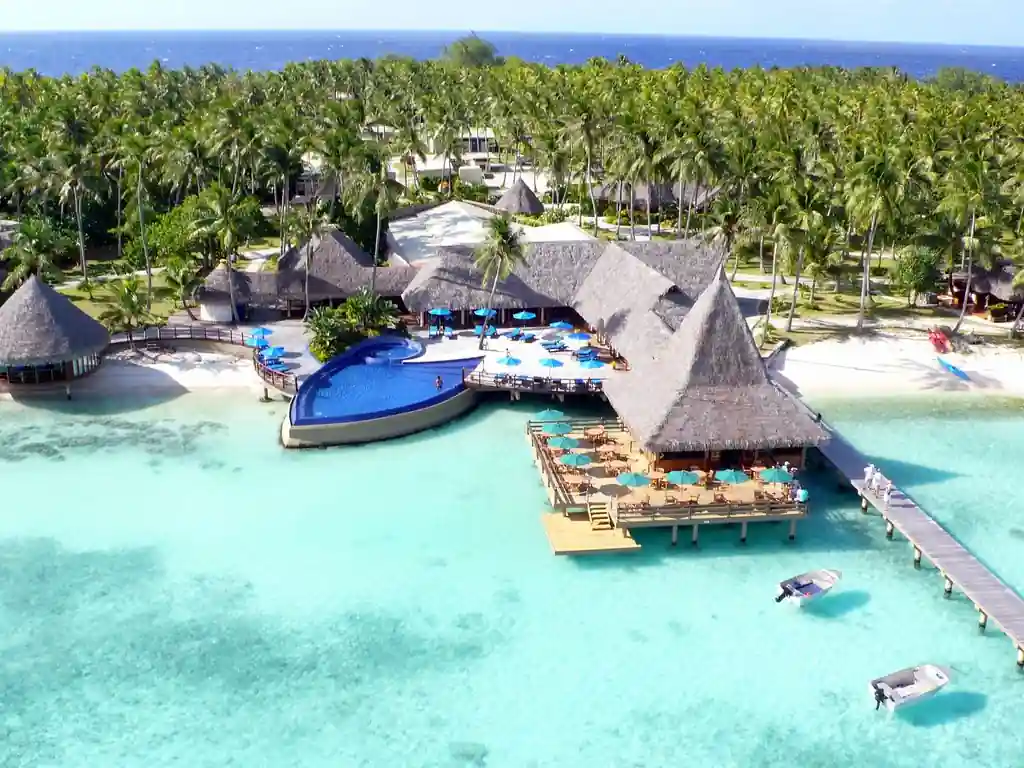
Last but not remotely least, Rangiroa is where the ocean feels endless. This place isn’t a tiny island — it’s a giant atoll, one of the largest in the world, circling a massive, insanely clear lagoon. It’s what happens when time slows down, and all you hear is water lapping against coral and the occasional flap of a dive boat’s wake.
The visibility here is just… ridiculous. Drift diving is a big deal — you quite literally ride the current like an underwater highway, surrounded by coral walls and sharks gliding just below. If you’re into deep diving experiences or UNESCO-listed marine sanctuaries, this is the holy grail.
Why’s the water so clear: The surrounding reef system protects the lagoon from sediment and rough surf. Plus, there’s minimal development. Fewer humans, fewer disruptions.
Top activities: Diving Tiputa Pass, snorkeling with dolphins, and cruising the lagoon on a catamaran.
Best time to go: June to October, especially if you’re into manta rays and decent water temps.
Local tip: Skip the flashy resorts and stay in a family-run pension. You’ll get local insights, home-cooked meals, and still wake up to some of the clearest ocean water in the world.
Conclusion
The thing about clarity — real, natural clarity — is that it changes how you feel in a place. It’s not just about seeing the sea floor, or spotting your own shadow dancing below. It’s about connection. Stillness. A reminder that, in some corners of the world, nature’s doing just fine without us… and maybe, if we’re lucky, we get to dip our toes in.
Whether you’re chasing turquoise waters in the tropics or peering into glacial lakes like Lake Pukaki, these places show off the raw beauty of the clearest oceans in the world. They’re perfect for adventure. Or peace. Or maybe both.
So what are you waiting for? Start planning, daydreaming, even Googling flight prices you probably won’t book yet. Just don’t let these waters stay on your screen forever.
You deserve to feel them.
Frequently Asked Questions
1. What country has the clearest ocean water?
Honestly, it depends on the season — but French Polynesia, the Maldives, and parts of the Philippines are often near the top of the list.
2. Can I snorkel in these places even if I can’t swim well?
Yep, many popular spots offer guided tours with life vests. Places like Grace Bay or El Nido are great for beginners.
3. Which ocean has the clearest water overall?
The Indian Ocean tends to dominate this list — especially around the Maldives and Seychelles. But the Pacific has gems too.
4. Is it expensive to visit these clear water spots?
Some are luxe (Bora Bora, Maldives), but others — like Palawan or Lampedusa — can be surprisingly budget-friendly.
5. What time of year has the best visibility?
Dry season. Always. Less rain = less sediment = better clarity. Shoulder seasons are great too if you want fewer crowds.
6. Can I dive in these locations without certification?
Some spots offer intro dives with instructors. But if you’re serious about underwater exploring, a certification opens way more doors.
7. What’s the most clearest water in the world?
It’s a toss-up between places like Rangiroa, Exuma, and even Crater Lake in the U.S. Depends on whether you’re looking for ocean or freshwater.
8. Are glacial lakes clearer than oceans?
Sometimes. Lakes like Lake Pukaki or Silfra Fissure offer surreal clarity due to glacial filtering. But they’re freezing!
9. Is climate change affecting water clarity?
Yeah, in some areas. Coral bleaching, rising temps, and increased runoff can reduce visibility. That’s why eco-tourism matters.
10. What’s one under-the-radar place you’d recommend?
Aitutaki Lagoon in the Cook Islands. Less touristy than Bora Bora, just as dreamy. Like swimming in distilled water with fish.