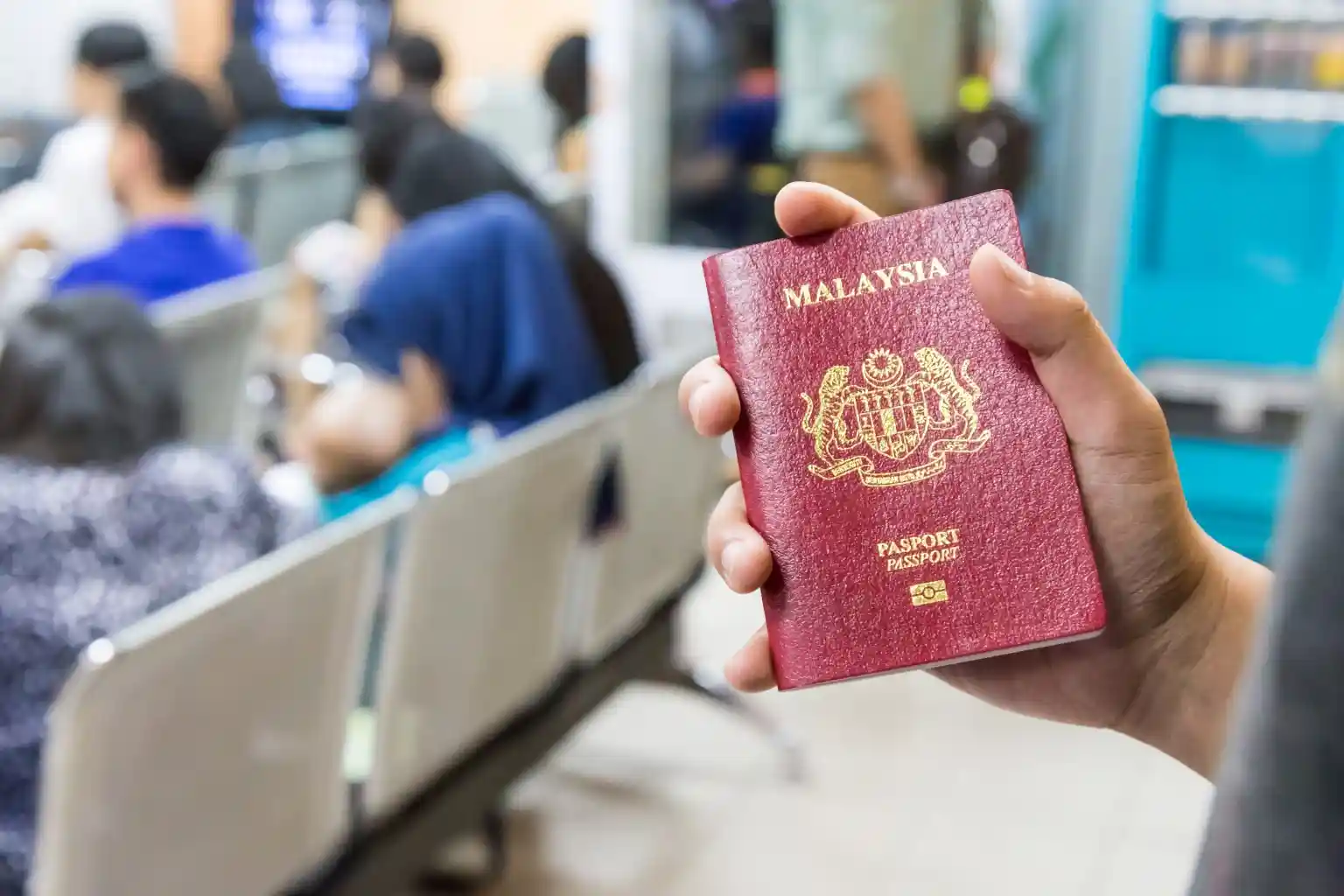
Southeast Asia visa requirements might sound like the least exciting part of your trip, but trust me—if you’re heading to Malaysia and Singapore, they’re your golden ticket to stress-free travel.
These two countries are hands-down the easiest entry points into the region, and after more border crossings than I can count (including a bus ride that smelled like durian and dreams), I’ve learned exactly what you need—and what you don’t.
Understanding Southeast Asia visa requirements isn’t some bureaucratic maze… at least not when it comes to Malaysia and Singapore. Whether you’re flying in from the U.S., hopping over from Thailand, or coming in on a long-haul from Europe or Australia, these countries have streamlined systems that make border crossings pretty painless.
I’ve personally entered Malaysia through sleek Kuala Lumpur International, crossed dusty land borders, and tackled Singapore’s famously smooth immigration at Changi more times than I can remember—and yes, it still impresses.
This guide will walk you through the essential Southeast Asia visa requirements you actually need to know—who gets visa-free entry, how to apply for the right one, and a few unexpected tricks (like how carrying an old-school passport photo saved me hours at a Malaysian border office).
So if you’re planning to bounce between Penang and Singapore, jungle-hop in Borneo, or just eat your way from hawker stall to hawker stall, let’s get your visa game sorted first. That way, the only thing you’ll be worrying about is whether to get nasi lemak or char kway teow for lunch.
I. Overview: How Malaysia and Singapore Handle Visas
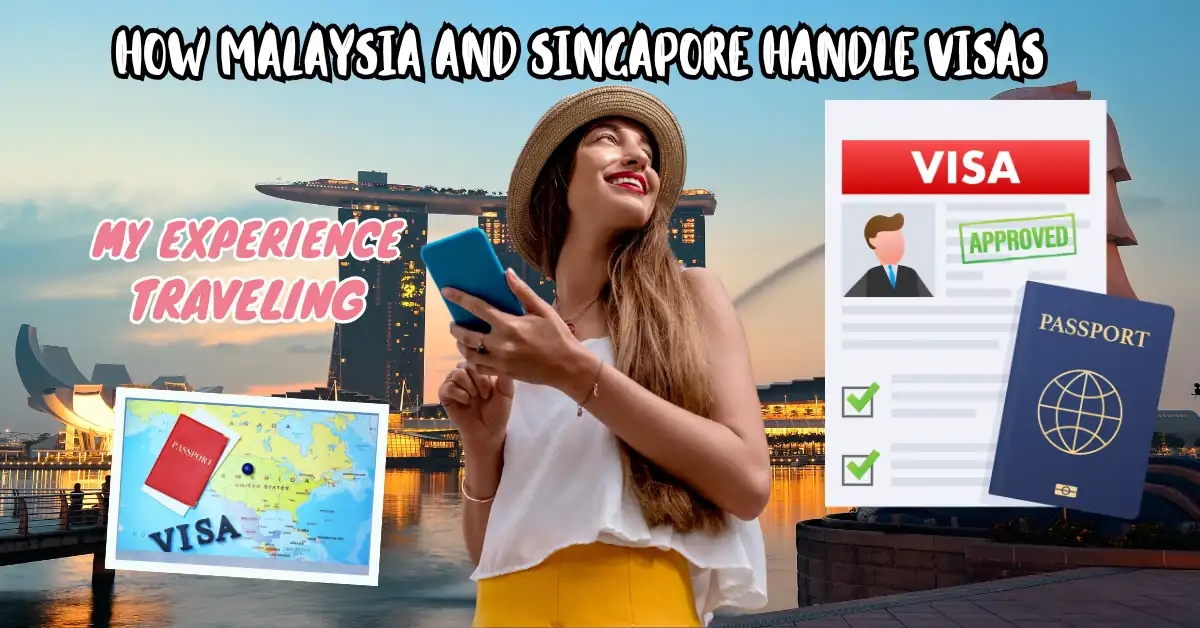
If you’ve ever zigzagged through Southeast Asia, you know visa rules can vary wildly from one border post to the next. But Malaysia and Singapore stand out for their relative clarity and efficiency—two things I’ve come to deeply appreciate after years of chaotic visa on arrival scrambles elsewhere in the region.
Here’s a quick comparative snapshot to help you visualize how both countries manage things:
| Country | Visa-Free for US? | e-Visa Options | Max Stay | Entry Points |
| Malaysia | Yes | Yes (eNTRI/eVisa) | 90 days | Airports, Land borders |
| Singapore | Yes | Yes (select nationalities) | 30–90 days | Airports, Land borders |
Both countries offer visa-free access for most Western travelers. For U.S. passport holders, you’re typically granted 90 days in Malaysia and 30 days in Singapore upon entry—no forms, no fees, just a clean passport and a smile. That said, travelers from countries like China, India, and Sri Lanka will need to apply online for an eVisa before arrival—more on that in the detailed sections to follow.
In terms of airports, I’ve personally entered through Kuala Lumpur International (KLIA), Penang International, and Langkawi, and each time, immigration was smooth—especially when I had my onward travel printed and ready. For land crossings, I’ve passed through Johor Bahru to Singapore’s Woodlands Checkpoint more times than I can recall—usually by bus or Grab. It’s efficient but can be painfully congested during public holidays or weekend evenings.
The takeaway? Both Malaysia and Singapore are among the most visa-friendly Southeast Asian countries. You won’t need a fixer or travel agent to navigate their systems. Just a little knowledge (this guide will help), a valid travel document, and a few best practices, and you’re good to go.
Tip from the road: Don’t underestimate the importance of passport validity. I’ve watched more than one traveler be denied boarding for having less than six months left. Always check entry requirements before you pack.
II. Malaysia Visa Requirements
If you’re planning a short visit, the Malaysia Tourist Visa is surprisingly easy to obtain—or often not required at all for travelers from the U.S., U.K., Canada, and most EU countries.
A. Visa-Free Entry: Who Qualifies?

If you’re planning a short visit, the Malaysia Tourist Visa is surprisingly easy to obtain—or often not required at all for travelers from the U.S., U.K., Canada, and most EU countries.
For most Western travelers, the answer is no. Upon arrival, you’re typically granted a 90-day stay completely visa-free. No applications, no fees, and no stressful pre-departure paperwork.
In my experience, Malaysia has one of the most welcoming immigration systems in Southeast Asia. I’ve landed at Kuala Lumpur International Airport with nothing more than my passport and a return ticket and walked out with a stamp in under five minutes. This is especially helpful for onward travel planning, as you can easily base yourself in Malaysia and explore the rest of visa-on-arrival Asian countries.
But keep in mind, even for visa-free entry, immigration officers may ask to see:
- Proof of onward travel
- Accommodation bookings
- Sufficient funds for your stay
They’re not always strict, but I’ve been asked more than once—especially at land borders like Padang Besar and Johor Bahru.
B. eVisa and eNTRI Programs
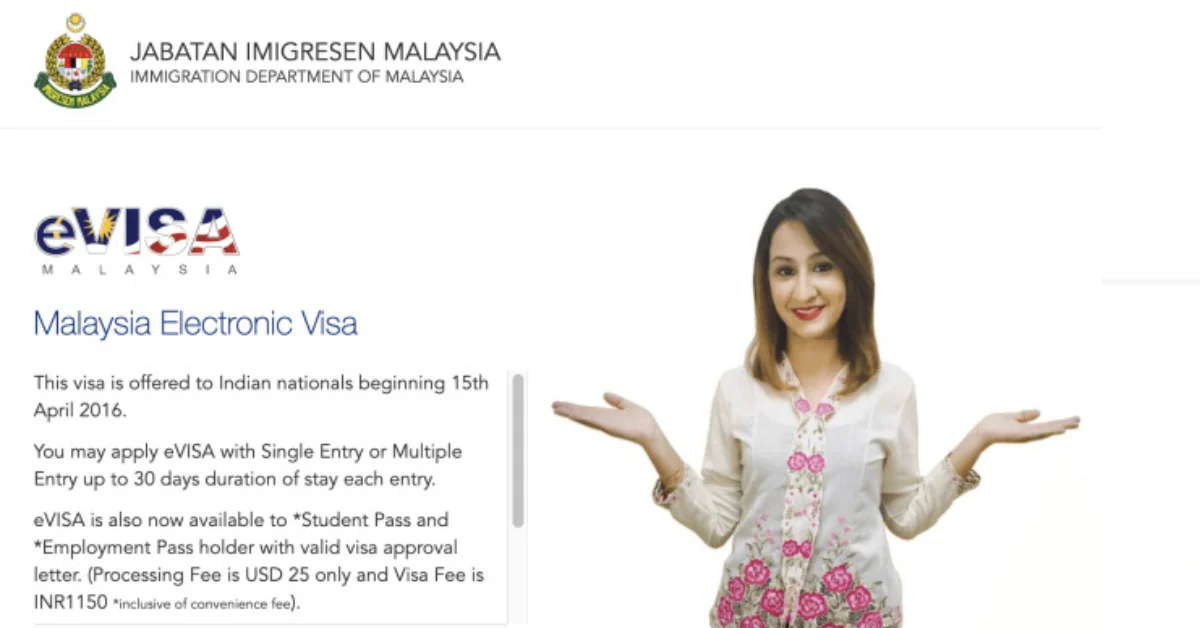
If you’re not from one of the visa-exempt countries, Malaysia still makes things pretty straightforward with its eVisa and eNTRI programs. These are online visa options that allow for single-entry or multiple-entry stays—perfect for short visits or regional travelers planning to hop around.
The Malaysia eVisa is primarily available for passport holders from countries like India, China, Sri Lanka, Nepal, Bangladesh, and a few Middle Eastern nations. In my consulting work with a trip builder agency in Kuala Lumpur, we’ve helped travelers apply through the official Malaysian Immigration Department website, which is fairly user-friendly—just be prepared with:
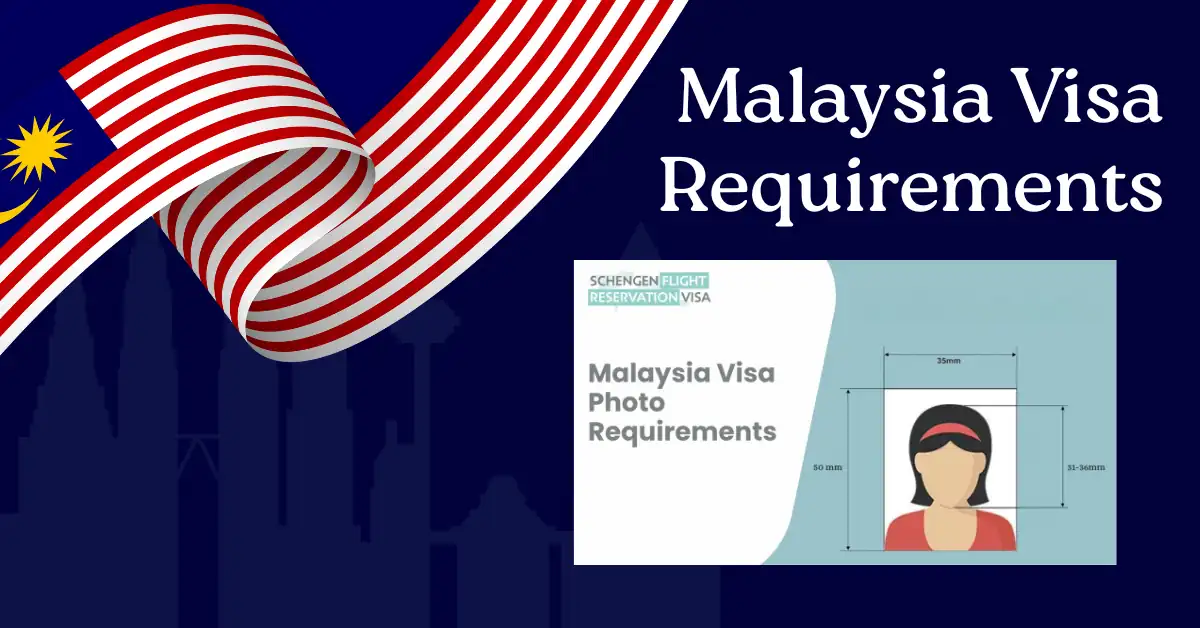
- A scanned passport photo that meets the official requirements
- Proof of accommodation
- Round-trip tickets
- Valid travel documents
Processing usually takes about 2–3 business days, though I’ve seen it approved in under 24 hours during non-peak seasons. The eNTRI (Electronic Travel Registration & Information) is even simpler but limited to select nationalities (like Indian and Chinese citizens). It’s fast, cheap, and works well if you’re only visiting Malaysia once.
One mistake I’ve seen travelers make? Uploading blurry passport scans or incorrect photo sizes—Malaysian immigration is strict with digital file quality. Make sure your images are clear, in JPEG or PNG format, and meet the official passport photo requirements.
C. On-Arrival Procedures
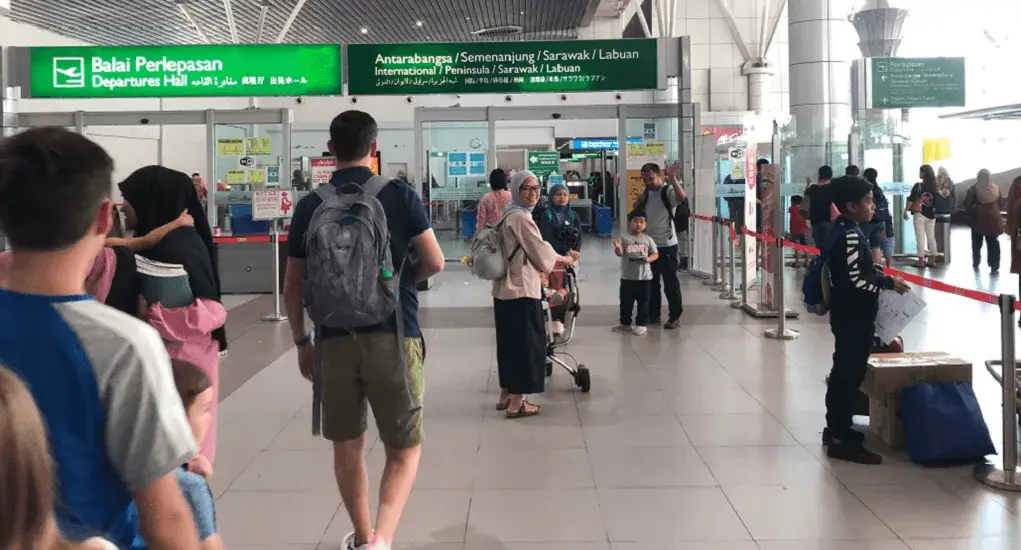
Even when you’re arriving visa-free, there are some basic steps to be aware of at immigration checkpoints, especially at smaller land crossings or regional international airports like Kota Kinabalu or Langkawi.
Expect the following:
- A quick immigration interview: Usually friendly but direct. I’ve been asked why I’m visiting, how long I plan to stay, and if I’ve been to Malaysia before.
- They’ll likely check for an onward ticket and possibly a hotel reservation (a screenshot works fine).
- Your passport must have at least 6 months validity and at least one full page free for the entry stamp.
- Occasionally, they’ll ask about vaccinations if you’re arriving from a yellow fever zone or another transition-risk country.
While Malaysia doesn’t officially offer Visa on Arrival for most travelers, I’ve seen travelers confused at the KLIA transit desks expecting to get a visa stamped in—only to be turned away due to missing documents or insufficient explanation. Don’t assume anything. Know the rules and prepare your travel declaration and supporting documents, even if visa-free.
D. Extension & Overstay Rules
So, what happens if you fall in love with Penang’s hawker food or Langkawi’s sunsets and want to stay longer?
For visa-free travelers, extensions are generally not granted beyond the 90 days. In rare cases, you might try applying through an immigration office (I’ve done this once in George Town), but it’s time-consuming and there’s no guarantee.
Overstaying, even by a few days, can lead to:
- Fines (RM 100–RM 500 depending on duration)
- Potential blacklisting or entry bans
- Long waits at the immigration office to sort things out
I once met a German backpacker at the Thai Friendship Bridge who had overstayed his Malaysian visa by just 2 days—he was fined RM 300 and held for hours in a side room while agents checked his documents. The lesson? Don’t mess with your visa timeline. Know your days visa and stick to it.
If you do overstay unintentionally, go directly to the nearest immigration office (not the airport) to pay your fine before flying out. This avoids last-minute drama at check-in.
E. Special Visa Types
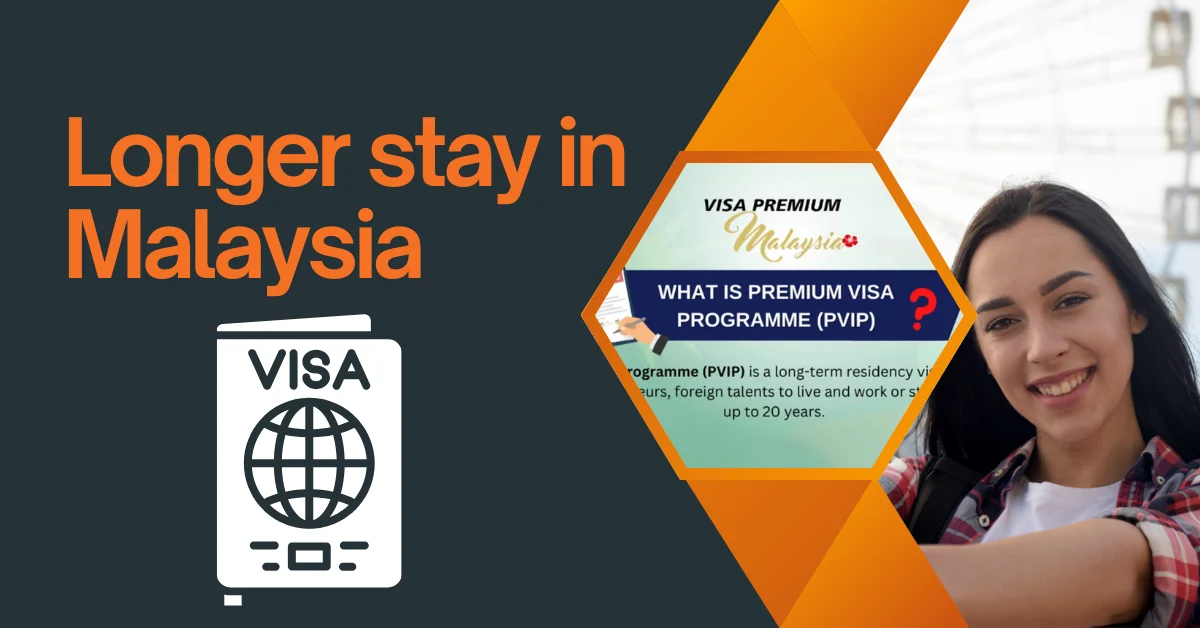
If you’re considering a longer stay in Malaysia—for work, retirement, or remote living—the country offers some attractive visa programs:
- Malaysia My Second Home (MM2H): A long-term social visa for retirees or slow travelers. I met an Australian couple in Ipoh living happily under this scheme for over a decade. The rules change often, so check the current financial requirements.
- Digital Nomad Visa (DE Rantau Pass): Recently introduced for remote workers. It’s gaining traction and worth exploring if you plan to work online while staying in Malaysia long-term.
- Student and Employment Visas: Must be sponsored by a Malaysian institution or company.
These are all processed through dedicated channels, not the standard tourist entry points. Processing fees vary, and requirements can be steep—especially around proof of income and health checks.
III. Singapore Visa Requirements
A. Visa-Free Entry
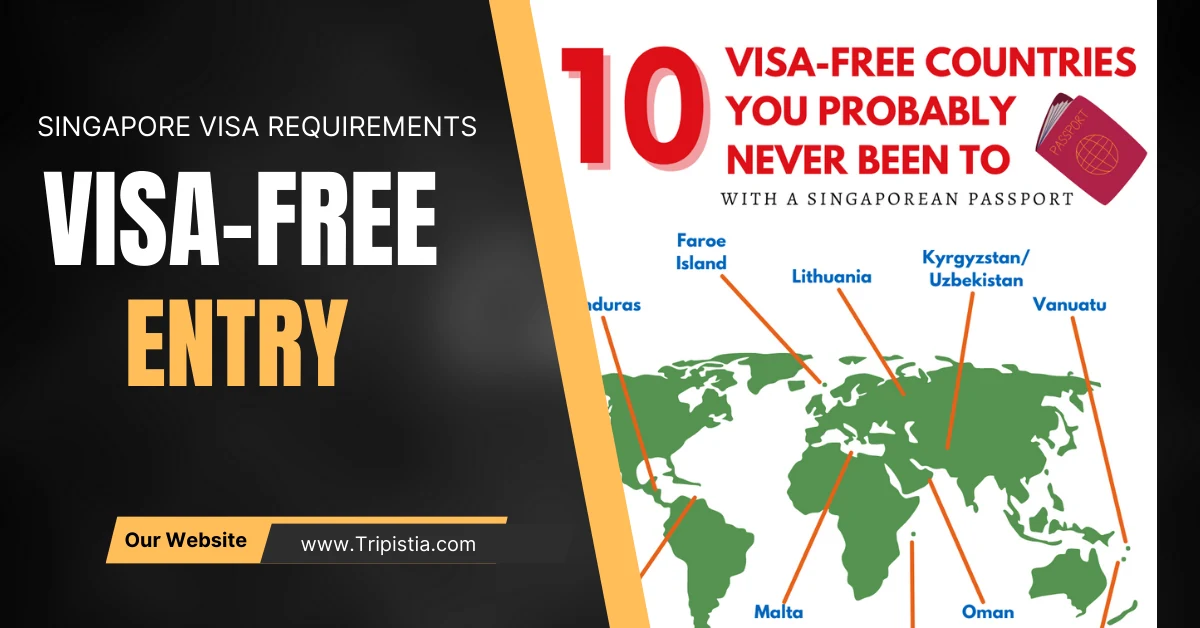
Here’s the beauty of starting or ending your Southeast Asia journey in Singapore: for the majority of travelers from North America, Europe, and Oceania, no visa is required. Yes, if you’re wondering “Do you need a visa for Singapore?”—the answer for most passport holders from the U.S., UK, Canada, EU countries, Australia, and New Zealand is a firm no.
While most Western passport holders enjoy visa-free entry, travelers from certain countries will need to apply for a Singapore Tourist Visa, which is now largely handled through a streamlined e-visa system.
As someone who has landed at Changi Airport more than a dozen times—often sleep-deprived and mid-itinerary—I’ve always appreciated how quick and respectful the immigration process is. You’re typically granted 30 to 90 days of stay depending on your nationality, and the immigration officers, while efficient, rarely make a fuss if your documents are in order.
Insider tip: Keep your accommodation info handy and make sure your passport has at least six months’ validity—I’ve seen travelers pulled aside at Changi’s Terminal 3 because they had only five months left.
While visa-free access is common for 160+ countries, it’s not universal. If you hold a passport from India, China, Russia, Sri Lanka, or certain African and Middle Eastern countries, you’ll need to apply for a visa before arrival—more on that next.
B. Singapore e-Visa Process
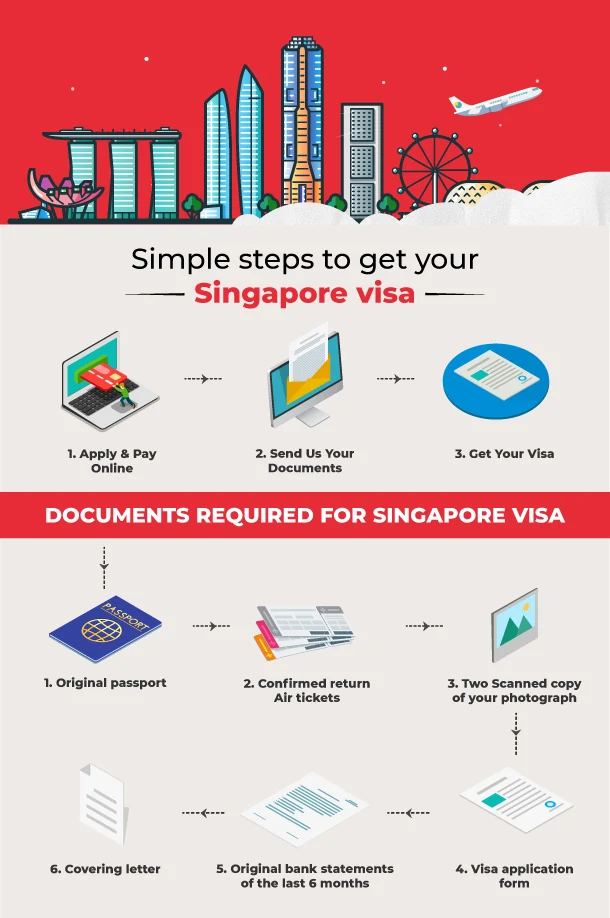
For those who do need a visa, Singapore has a fairly streamlined online application process. The Singapore e-visa is required for passport holders from countries like India, China, Bangladesh, Myanmar, and some CIS nations. You can’t apply on your own—you must go through a local contact, Singaporean sponsor, or authorized visa agent.
When I assisted a friend from Mumbai with her Singapore e-visa, the application took about 3–5 working days and required:
- A clear passport photo
- Proof of accommodation
- Flight details
- Completed Form 14A
- Valid travel document
Most applications are submitted via the Immigration & Checkpoints Authority (ICA) portal, but you can also go through licensed travel agents who are familiar with the process. Trust me—this is not the time to experiment with sketchy third-party sites. There are a lot of fake e-visa services floating online.
Avoid this common mistake: Uploading low-resolution passport photos or submitting a travel document that expires in under six months. Singapore is precise when it comes to documentation standards.
Once approved, the e-visa comes as a PDF with a barcode—print it and keep a digital copy. You’ll need to present this at immigration along with your boarding pass and SG Arrival Card, which brings us to the next step.
C. Entry Requirements
Even if you’re visa-free, entry into Singapore isn’t automatic. Every traveler—regardless of nationality—must complete the SG Arrival Card (also known as the E-Arrival Card). This is a mandatory online form that should be submitted within 3 days before arrival.
I usually complete mine at the airport lounge while waiting to board, but if you’re tight on time, do it the night before. The form asks for:
- Personal and passport details
- Accommodation address
- Health declaration (including any yellow fever vaccination certificate if applicable)
Pro Tip: You don’t need to print the SG Arrival Card confirmation—the barcode is linked to your passport number. But I always keep a screenshot, just in case.
Other entry requirements include:
- A confirmed onward or return ticket
- Sufficient proof of funds (credit card, cash, or bank statement)
- Evidence of where you’re staying
In rare cases, Singapore’s border control officers may conduct a brief interview. I’ve been asked simple questions like “How long are you staying?” and “Is this your first visit to Singapore?”—nothing invasive, but they do expect clear answers.
D. Overstay Consequences
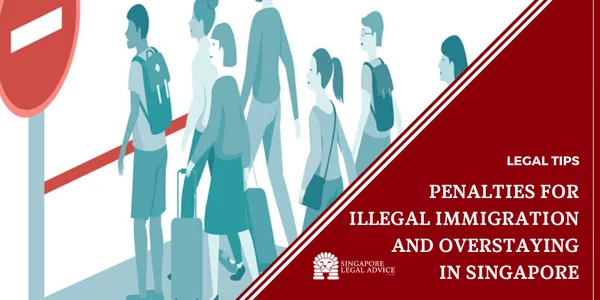
Singapore is famously strict when it comes to visa violations—and this is not the place to test your luck. Overstaying, even by a single day, can lead to:
- A fine (typically S$100–S$500)
- Detention and potential deportation
- A re-entry ban for serious offenders
I once met a French backpacker in Little India who miscounted her visa-free days and overstayed by two nights. She was held for hours at Changi Airport’s immigration detention room, missed her flight, and had to pay a penalty before she could leave the country.
If you do overstay, report to the ICA building before your departure to settle your case. Do not try to bluff your way through check-in—it will only delay your trip further.
Singapore takes its entry rules seriously, and as a traveler who values smooth travel, I always set a calendar alert to remind myself of my exact exit date.
E. Transit Scenarios at Changi Airport
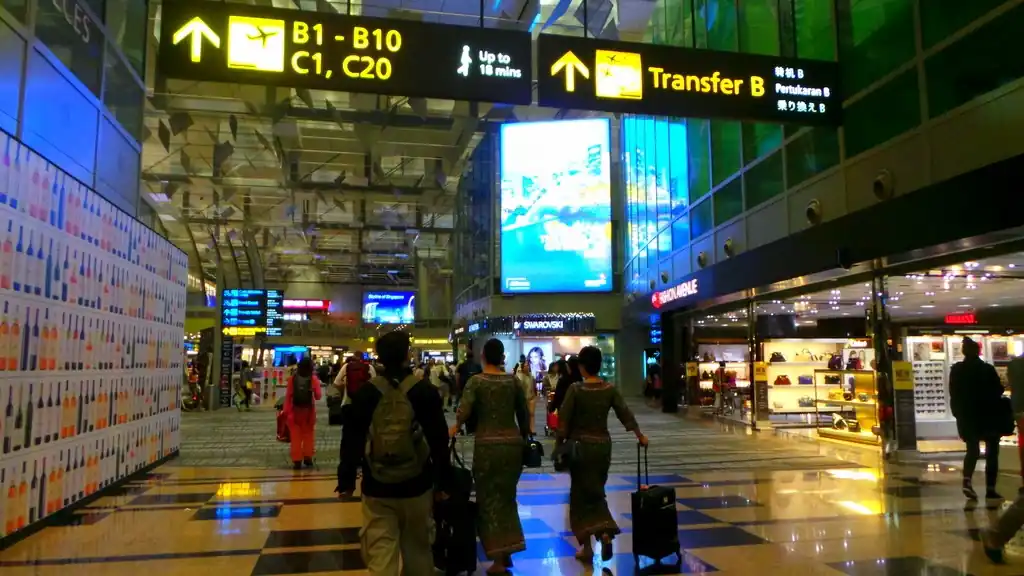
Even if you’re only transiting through Singapore, it’s important to know the rules. The country allows many nationalities to transit without a visa, especially if you’re not clearing immigration and your connecting flight is within 24 hours.
For those needing to exit the airport during a long layover, Singapore offers a 96-hour Transit Without Visa (TWOV) for select passport holders, including India and China. You must:
- Be flying to a third country
- Hold valid onward tickets
- Have a valid visa for the destination country (like the U.S. or Australia)
I’ve used this option to explore the city during an 18-hour layover, walking from Bugis Street to the Marina Bay waterfront and back—just don’t lose track of time.
If you plan to exit the airport, complete the SG Arrival Card as if you were entering for a short visit.
IV. Border Crossing Between Malaysia and Singapore
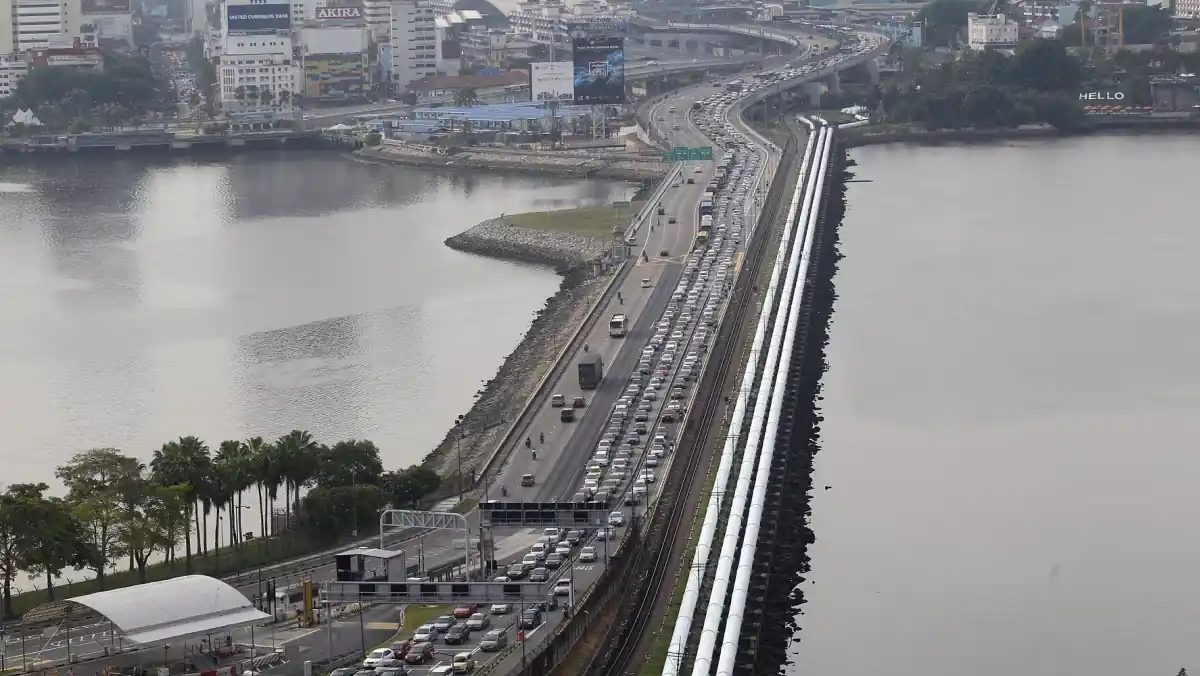
Crossing between Malaysia and Singapore is one of the most common and straightforward land border experiences in Southeast Asia — but it doesn’t mean it’s always a breeze. Whether you’re hopping over for a quick weekend escape or using Singapore as a springboard into Malaysia, understanding how the Malaysia Singapore border crossing works can save you hours of confusion and standing in line.
A. Johor Bahru – Woodlands Land Crossing
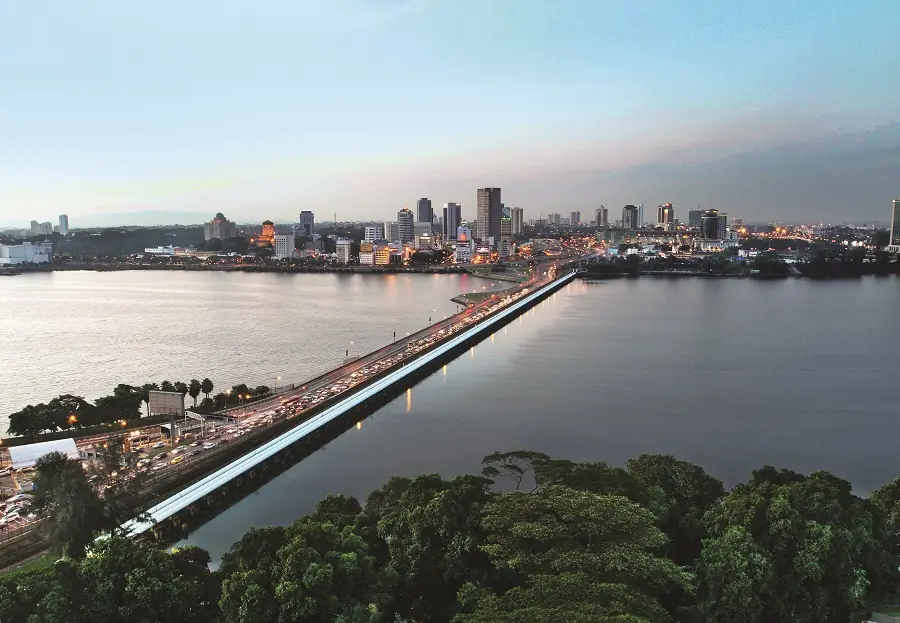
This is by far the busiest and most commonly used Malaysia Singapore border crossing. The route links Johor Bahru (JB) in southern Malaysia with Woodlands in northern Singapore — and it’s open 24 hours a day. But here’s the kicker: crossing times can vary wildly depending on how you go and when.
You have three main ways to cross:
- By Bus: From Larkin Sentral in JB, buses like Causeway Link (CW1, CW2), SBS Transit 170, and others can take you across the border. The ride itself is short, but you’ll get off twice — once at Malaysian immigration, and again at Singapore immigration.
- By Train: The KTM Shuttle Tebrau is the fastest and most comfortable way across. It takes just five minutes and avoids most traffic, but tickets sell out quickly, especially during holidays or weekends.
- By Taxi or Private Car: Convenient but pricey. Only specially licensed cross-border taxis can do the full trip. Grab or standard taxis will drop you at the border.
Personal tip: I’ve crossed this route more than a dozen times. Mornings around 7–9 AM and evenings from 5–8 PM are peak chaos. Once, I spent nearly 3 hours stuck in immigration queues with my backpack digging into my shoulders. These days, I time my crossing mid-afternoon on weekdays and book the KTM train when possible. It’s worth it.
B. What Documents Are Checked at Land Borders
Whether you’re entering Malaysia or Singapore, immigration officers will typically check:
- Valid Passport (at least 6 months’ validity)
- Entry or Exit Stamps: Malaysia’s exit stamp is crucial — if you don’t get it, you’ll have problems reentering later.
- SG Arrival Card for Singapore (mandatory, submitted online before entry)
- Customs Declarations: Watch out for limits on items like alcohol or cigarettes.
Sometimes you’ll be asked to show proof of onward travel or accommodation bookings — so keep digital or printed copies handy.
C. Common Issues Travelers Face
While crossing the Malaysia–Singapore border is usually safe and efficient, here are some hiccups to prepare for:
- Double Immigration Lines: You’ll need to go through immigration twice — once to exit Malaysia and again to enter Singapore. That means two queues, two checks, and double the waiting.
- Inconsistent Entry Questions: Singapore immigration can sometimes be strict. You might be asked about your return ticket, where you’re staying, or even how much cash you have.
- Digital Visa Card Issues: If you’re using an e-visa for Malaysia, make sure to print a physical copy. I once met a traveler who showed his phone screen — and got pulled aside for “verification,” which added a frustrating 40 minutes to his crossing.
Pro Tip: Be patient, stay calm, and don’t try to joke your way through customs (trust me, it doesn’t land well).
V. COVID-19, Health, and Insurance Requirements (Updated)
A. Current COVID-19 Travel Rules
As of 2025, Malaysia and Singapore have fully reopened to international travelers, but a few post-pandemic rules still linger — especially for first-time visitors. Both countries no longer require mandatory quarantines, but they do expect travelers to stay informed about health-related updates through official platforms like MySejahtera (Malaysia) and SG Arrival Card (Singapore), which may still include optional health declarations.
Vaccination isn’t strictly required for entry into either country anymore, but it’s highly recommended. Most airports and land crossings still have signage about COVID-19 hygiene practices, and your vaccination status might be checked during random screenings — especially if there’s a spike in regional cases.
Before you go, it’s smart to double-check the entry requirements for Singapore and Malaysia’s updated health rules on their immigration websites. While COVID isn’t the travel disruptor it once was, being prepared can save you unnecessary stress at customs.
B. Travel Insurance Requirements
Travel insurance isn’t legally mandatory for entry into Malaysia or Singapore, but it’s strongly encouraged — especially for those traveling long-term or with pre-existing conditions. Some budget airlines and visa platforms will even recommend insurance at the booking stage.
So, what should your policy cover? At minimum: medical emergencies, COVID-related treatment, trip cancellations, and hospitalizations. Based on real-world experience, providers like SafetyWing and World Nomads offer plans ideal for Southeast Asia travel, especially for digital nomads and backpackers.
Even though you might not be asked for proof, having insurance can fast-track medical support if needed — and can also help if you lose your luggage or miss a flight.
C. Medical Emergencies & Visitor Support
Both Malaysia and Singapore have excellent healthcare systems that welcome tourists. In Singapore, the nearest public hospitals like Tan Tock Seng and Singapore General Hospital are easily accessible, while Malaysia has well-regarded institutions like Pantai Hospital Kuala Lumpur and Gleneagles Penang.
For emergencies, you can dial 999 in Malaysia and 995 in Singapore. These are your go-to lines for ambulance services or urgent medical assistance.
And if COVID testing resurfaces (for exit requirements or high-risk contacts), clinics like Raffles Medical (SG) and BP Healthcare (MY) offer traveler-friendly options, often with fast results and digital reports.
VI. Practical Travel Tips for Hassle-Free Entry
You’ve got your ticket, your bags are half-packed, and your Southeast Asian adventure is just days away. But before you hop that plane, a few practical moves can save you major stress at the border.
First off—always make 2–3 physical and digital copies of your travel documents. That includes your passport, visa approval letters, return flight confirmation, hotel bookings, and yes—visa printouts for Malaysia or Singapore if applicable. Customs officers may not ask, but if they do and you’re fumbling through your inbox with shaky airport Wi-Fi… not fun.
Next up, entry questions. At both Malaysian and Singaporean immigration counters, be ready to answer basic but firm questions like:
- “What’s the purpose of your visit?”
- “Where will you be staying?”
- “When are you leaving?”
Answer confidently, clearly, and have those bookings handy on your phone or printed out.
Now, let’s talk about what not to do. Don’t even think about overstaying your visa—penalties can range from fines to entry bans. And working on a tourist visa? Big no. Both countries take this seriously, and the consequences aren’t worth the risk. If you’re planning to work or freelance, look into appropriate work visas or long-stay digital nomad options instead.
Some extra customs and entry clearance tips:
- Don’t carry chewing gum into Singapore (yes, really).
- Malaysia has strict rules on importing alcohol and tobacco—read up.
- Declare prescription medications in original packaging if required.
Oh, and a packing reminder: bring a printed copy of your vaccination card (especially if it includes yellow fever or COVID-19 vaccines), your visa approvals, and anything that might make you look well-prepared. Because honestly, border officers appreciate that.
VII. Who Needs to Plan Ahead (And Who Doesn’t)
When it comes to Southeast Asia visa requirements, your passport determines your prep level. For travelers from the US, UK, Australia, or EU countries, entering Malaysia or Singapore is pretty much a breeze. Most get visa-free access for stays between 30 to 90 days—just show up with a valid passport and proof of onward travel.
But for others, especially travelers from India, China, or many African nations, the game changes. You’ll need to apply for a visa in advance, possibly submit additional documents like a financial statement or employment proof, and wait several days for approval. In fact, entry requirements for Singapore tend to be stricter for these nationalities—so start early and double-check details on official embassy sites.
If you’re a digital nomad or a slow traveler, both countries have their quirks. Malaysia offers some flexibility with long-stay visas like the Malaysia My Second Home (MM2H) program or the new DE Rantau Nomad Pass for remote workers. Singapore doesn’t exactly roll out the red carpet for long-term tourists, but you can plan around visa limits with regional travel and re-entry (just don’t make it look like a “visa run”).
For everyone else? Even if your passport offers visa-free access, you should still check:
- How long you’re allowed to stay.
- Whether you need to register online in advance (hello, SG Arrival Card).
- What you can and can’t bring into the country.
So while visa-free countries for Malaysia enjoy more flexibility, it doesn’t mean zero responsibility. A little research up front saves a ton of scrambling later.
Final Thoughts
If there’s one thing this guide should leave you with, it’s this: a little upfront planning goes a long way in Southeast Asia. Both Malaysia and Singapore are incredibly accessible destinations, especially when you understand their visa requirements and entry procedures. Whether you’re traveling short-term or looking into long-stay options, the key is to align your plans with each country’s immigration policies.
One great tip? If you’re flying in from the US, UK, or Europe, consider starting your journey in Singapore. The Changi Airport experience is world-class, and the city is a smooth place to adjust before heading into the lush landscapes of Malaysia. Cross-border travel between Malaysia and Singapore is easy, especially if you’re using land routes—many travelers enjoy bouncing between Johor Bahru and Singapore for weekend trips.
From digital nomads to first-time backpackers, Southeast Asia remains a dream destination. With a little prep now—think visa printouts, SG Arrival Cards, and awareness of overstay rules—you’ll free up more time for hawker food, vibrant night markets, and jungle hikes later. Smart travel always starts with smart visa planning.
Frequently Asked Questions
1. Do you need a visa for Malaysia from the US?
No. US citizens can enter Malaysia visa-free for up to 90 days as long as their passport is valid for at least six months from entry.
2. How long can I stay in Singapore as a tourist?
Tourists from the US, UK, EU, and many other countries can stay in Singapore visa-free for up to 30 days.
3. Can I cross the border by land between Singapore and Malaysia?
Yes. You can easily cross the Johor-Singapore Causeway or Second Link by bus, car, or taxi. Just make sure your passport and entry documents are in order.
4. What’s the easiest way to apply for a Malaysia e-visa?
Visit the official Malaysia eVisa website. The process is straightforward, and approval usually takes 1–2 business days.
5. Is the SG Arrival Card mandatory?
Yes. All travelers entering Singapore (regardless of visa status) must submit the SG Arrival Card online within three days before arrival.
6. Can I do a visa run from Malaysia to Singapore?
Technically yes, but authorities are aware of this tactic. Don’t rely on it for long-term stays—abuse may lead to denial of entry.
7. What happens if I overstay my visa in either country?
Overstaying in Malaysia or Singapore can result in fines, detention, or future bans. Always check your visa duration and exit before expiry.
8. Are there work visas available for digital nomads?
While Singapore is strict with work passes, Malaysia offers programs like DE Rantau for remote workers. Always check the official immigration sites.
9. Do I need travel insurance to enter Malaysia or Singapore?
It’s not mandatory for most travelers, but strongly recommended—especially if you’re applying for a Malaysia e-visa or traveling during health-related advisories.